WIFMAN
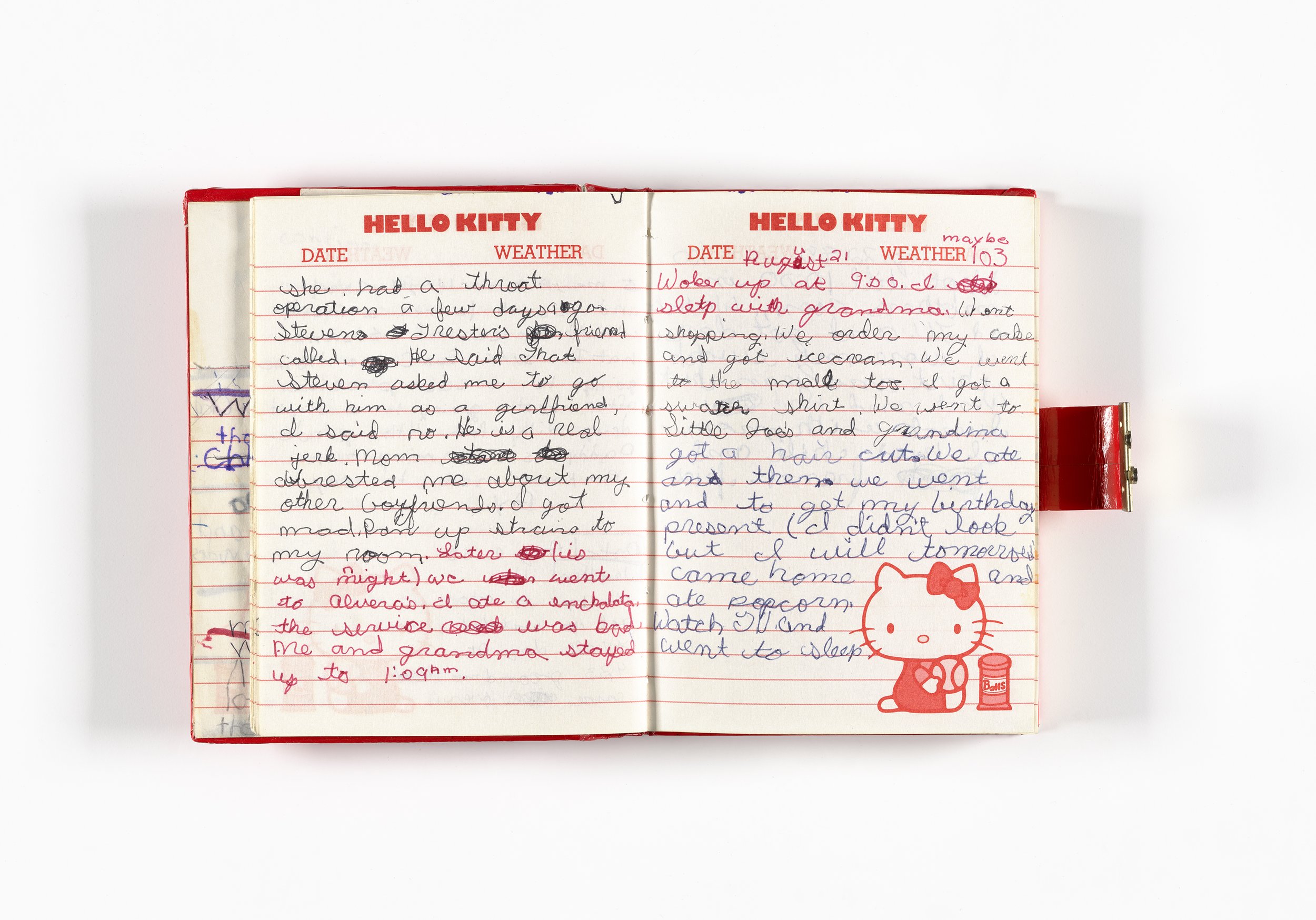
10th Birthday







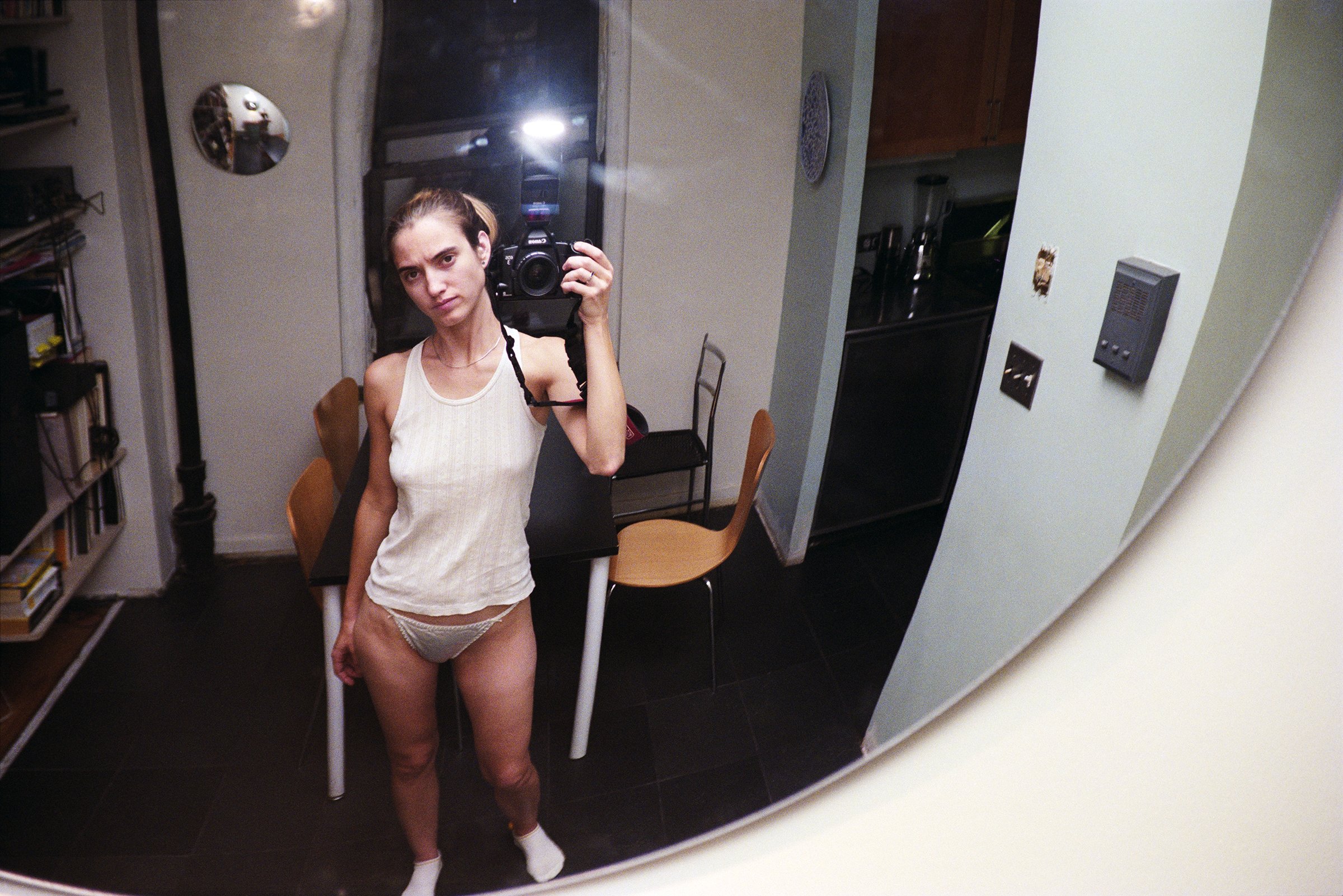
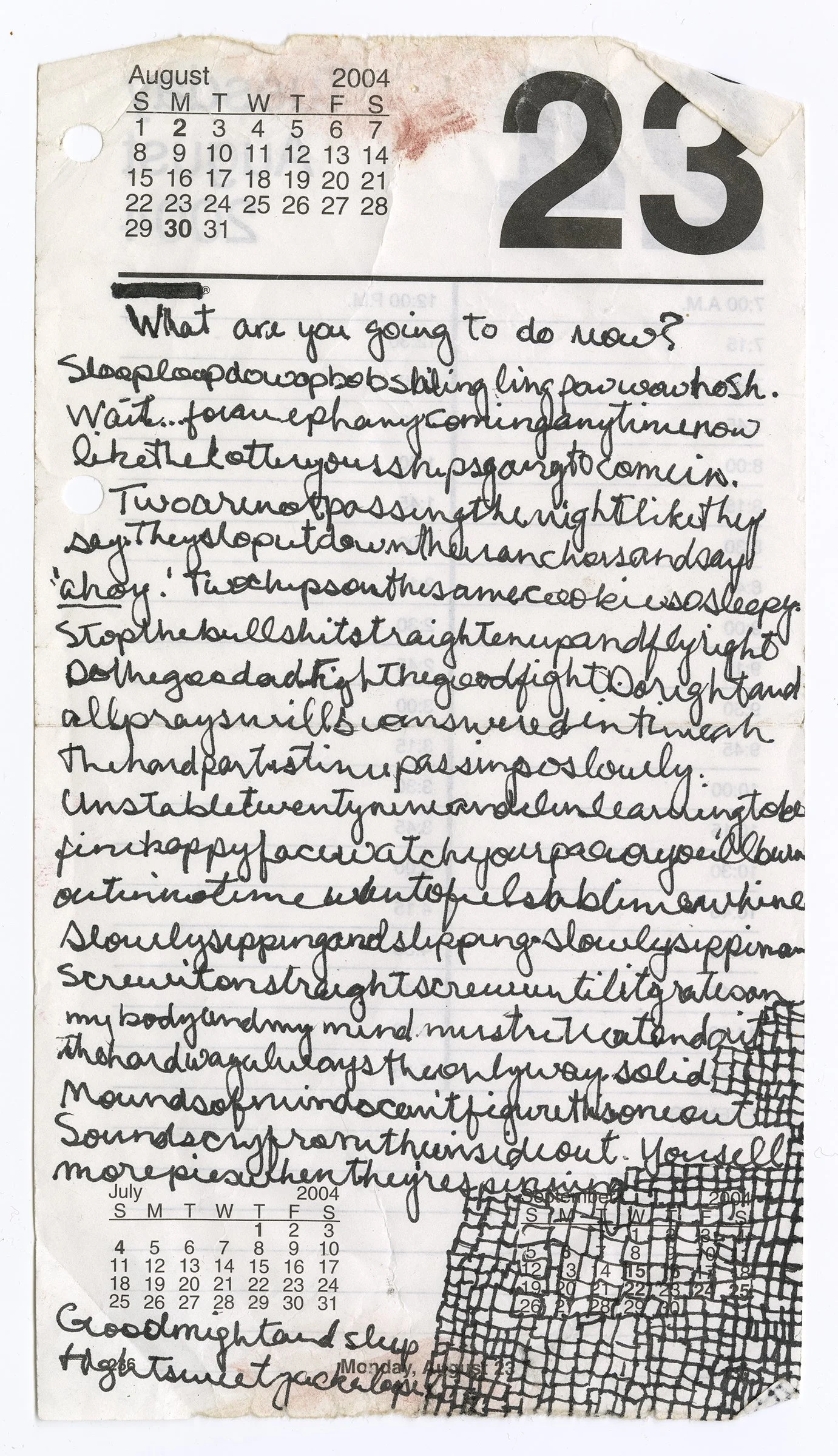
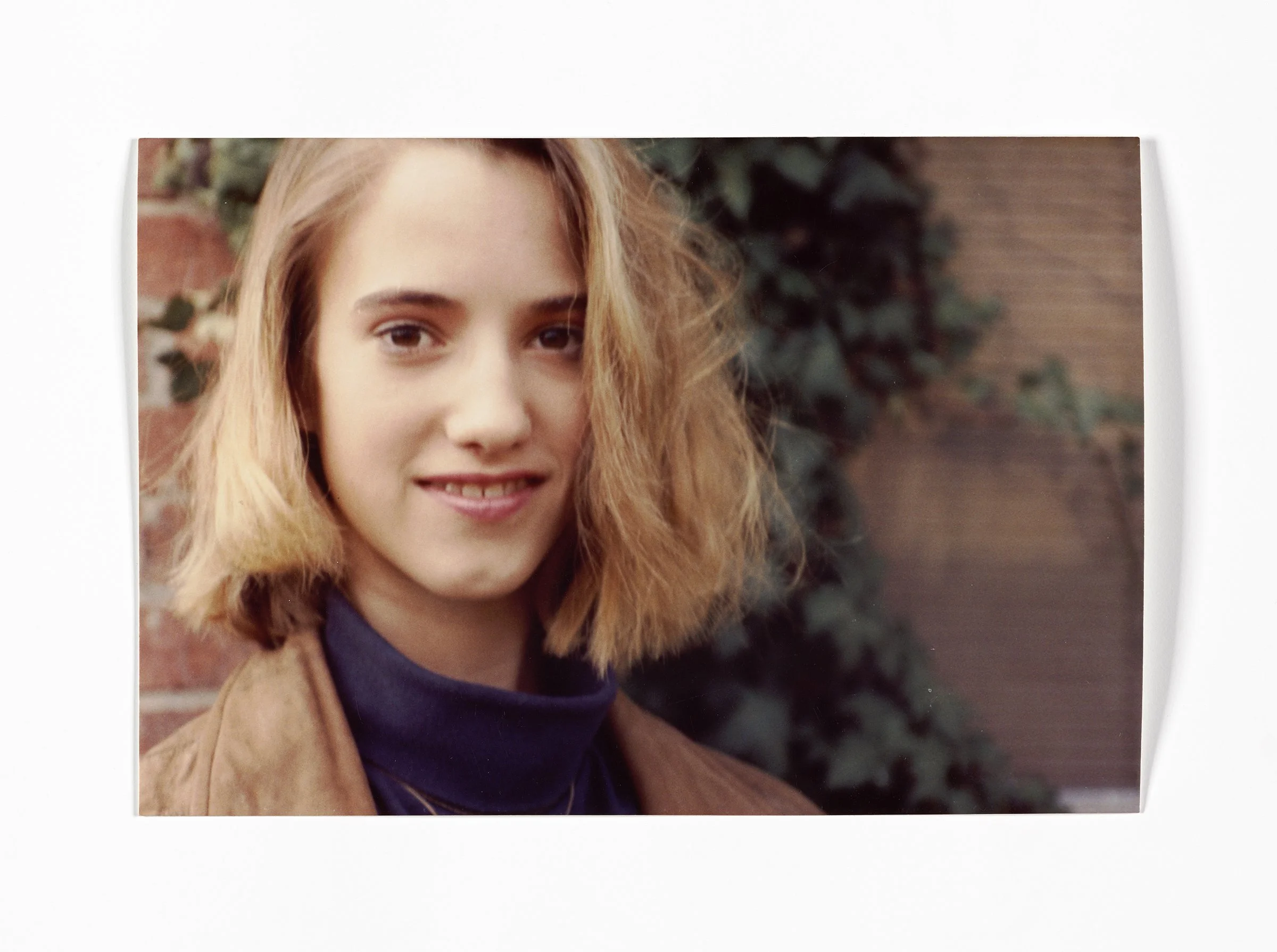
29th birthday
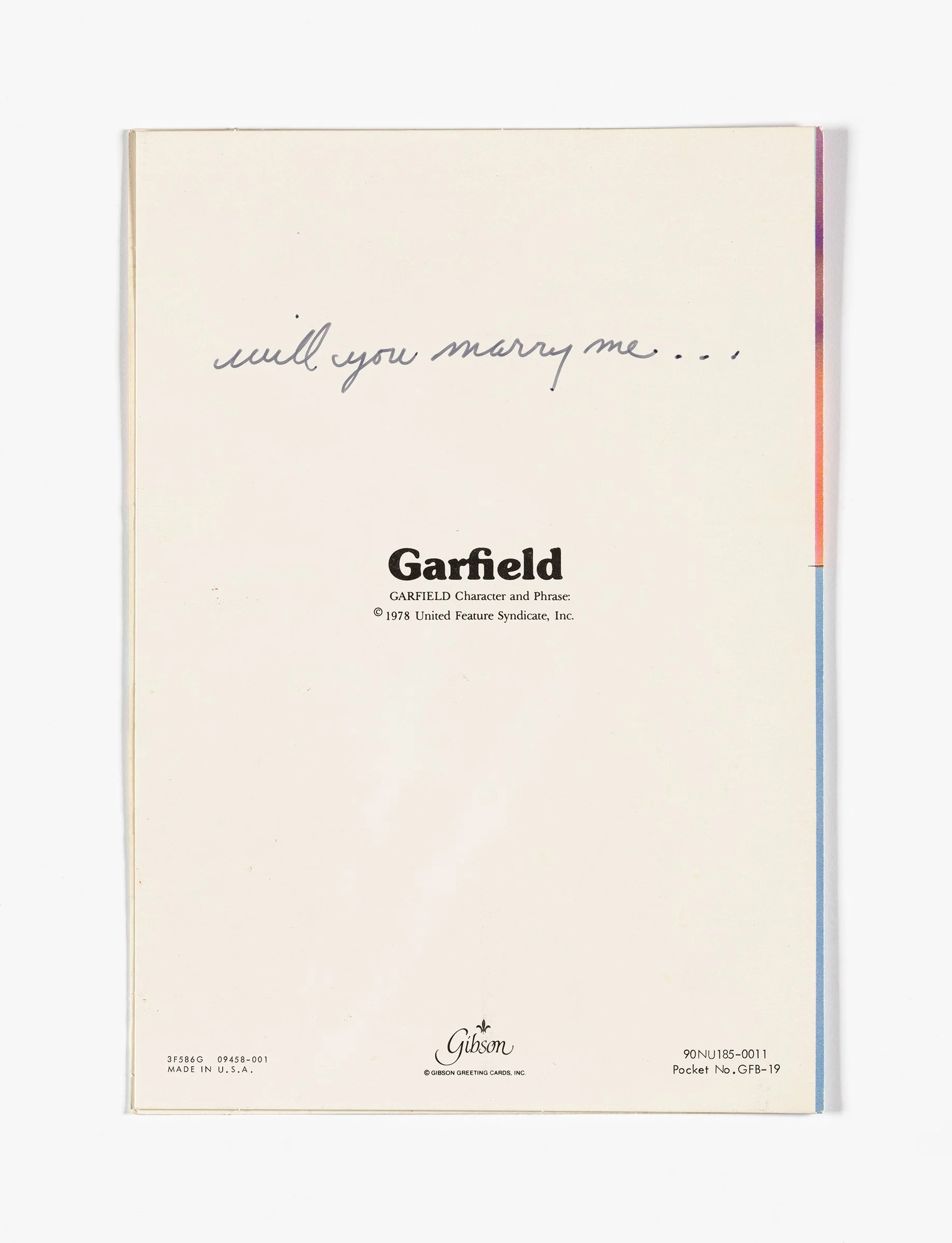

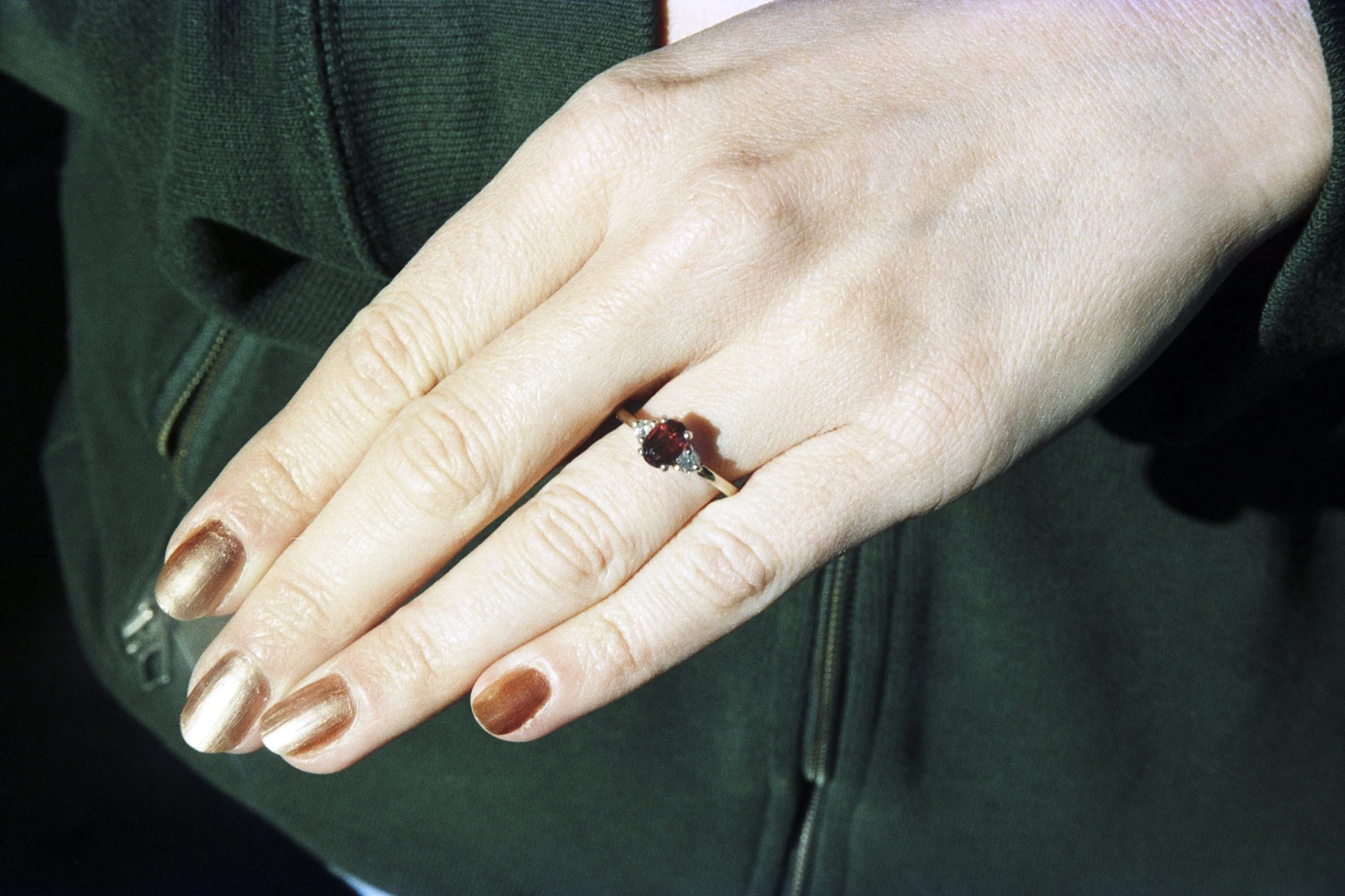
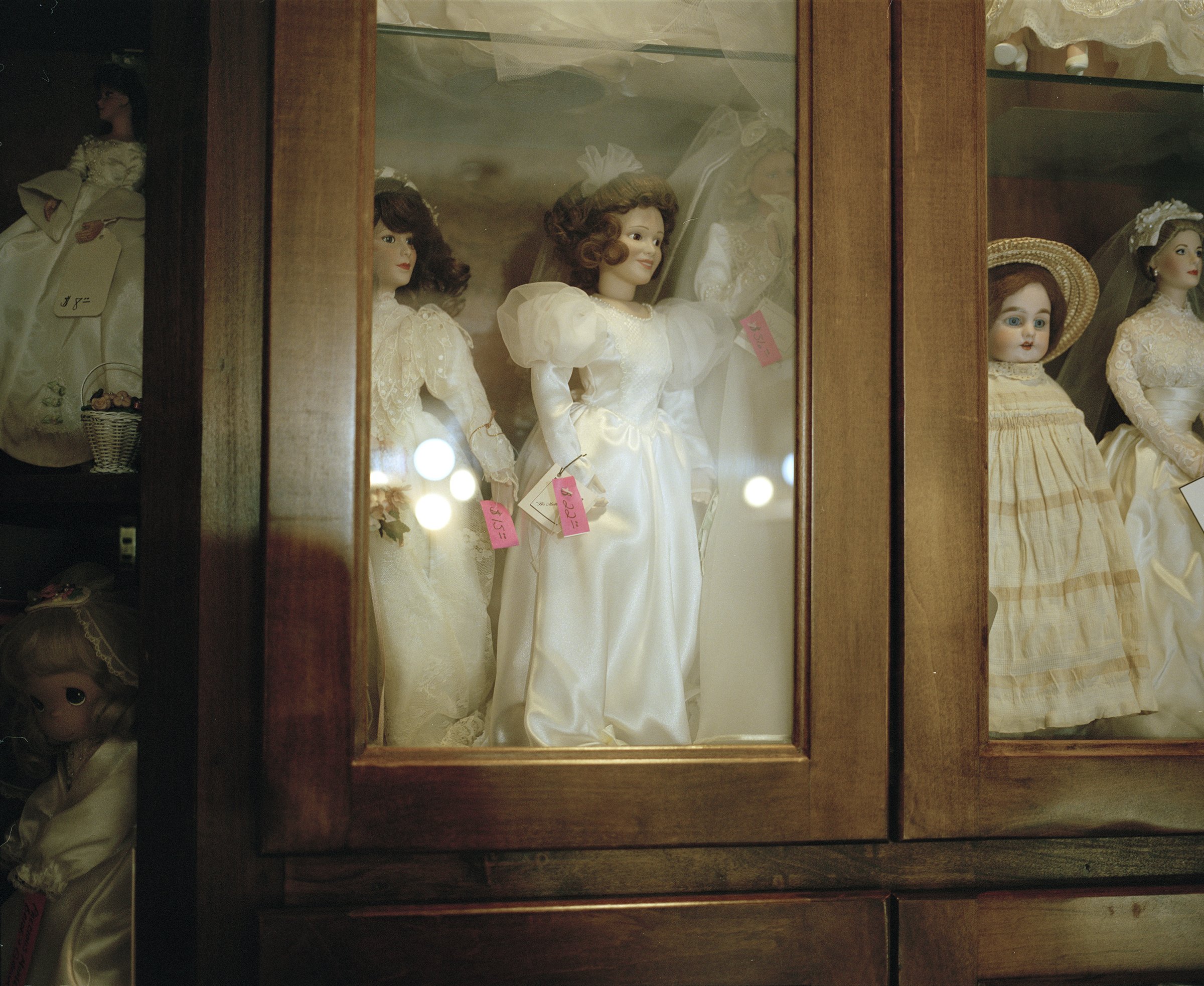
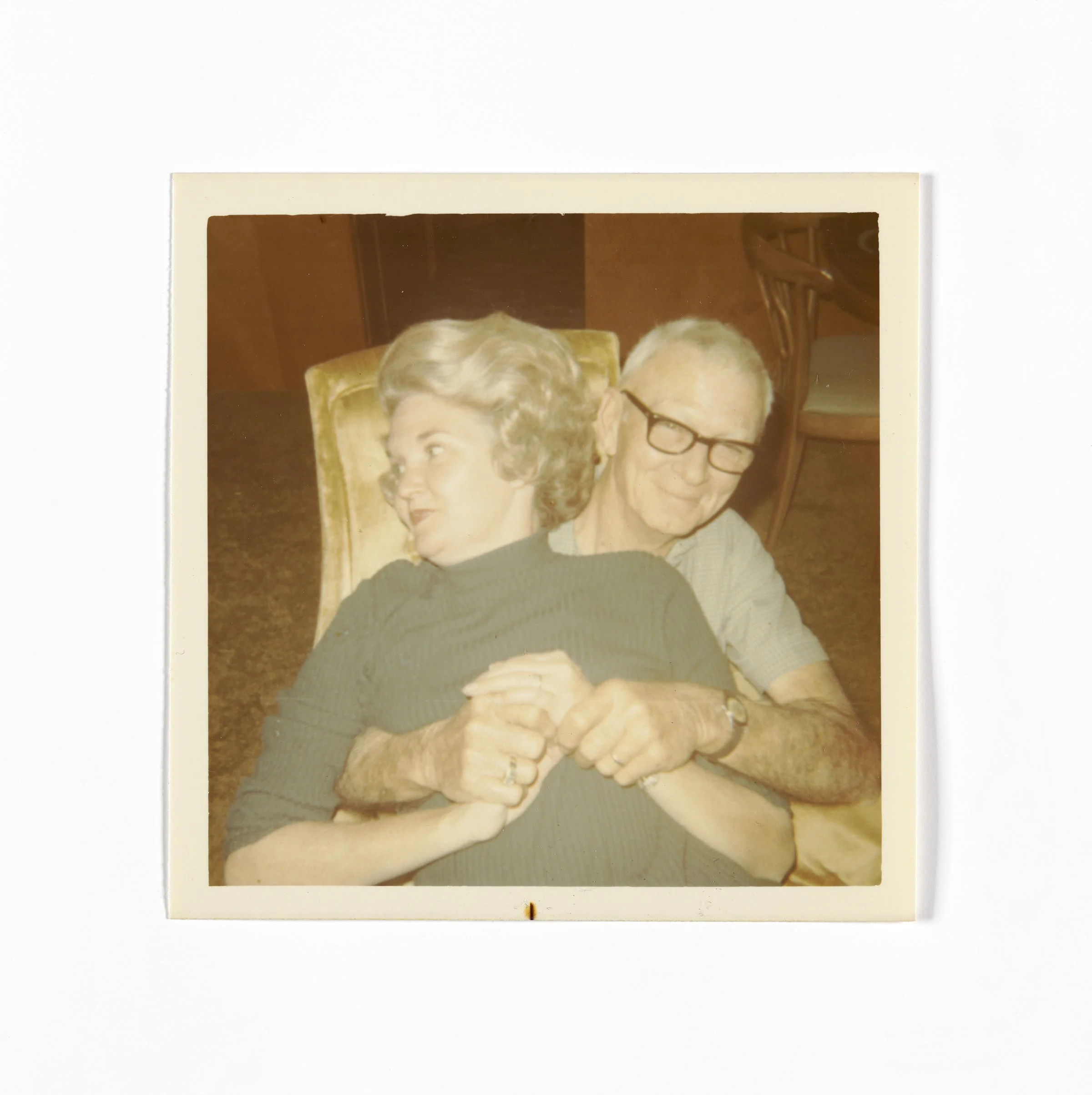
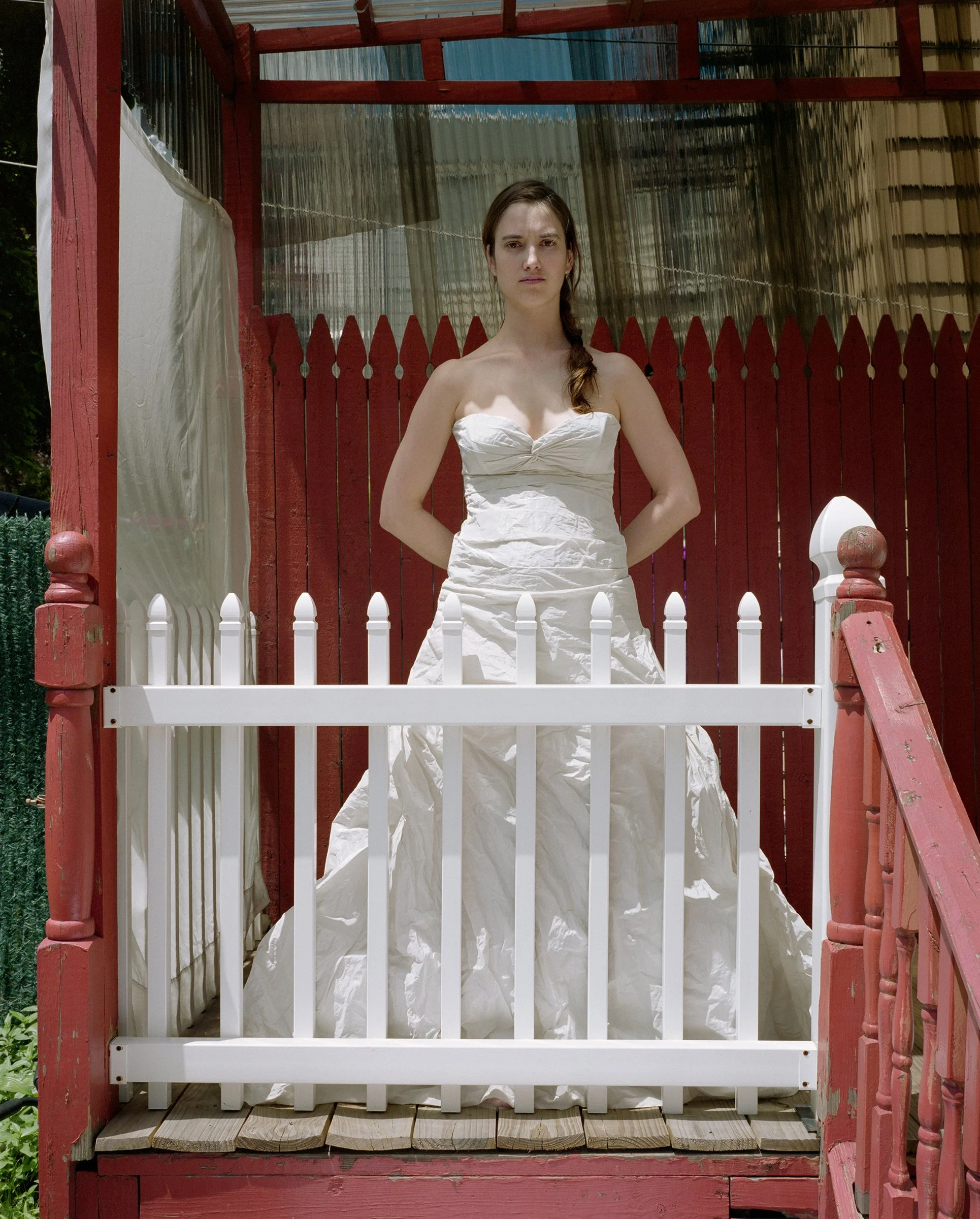
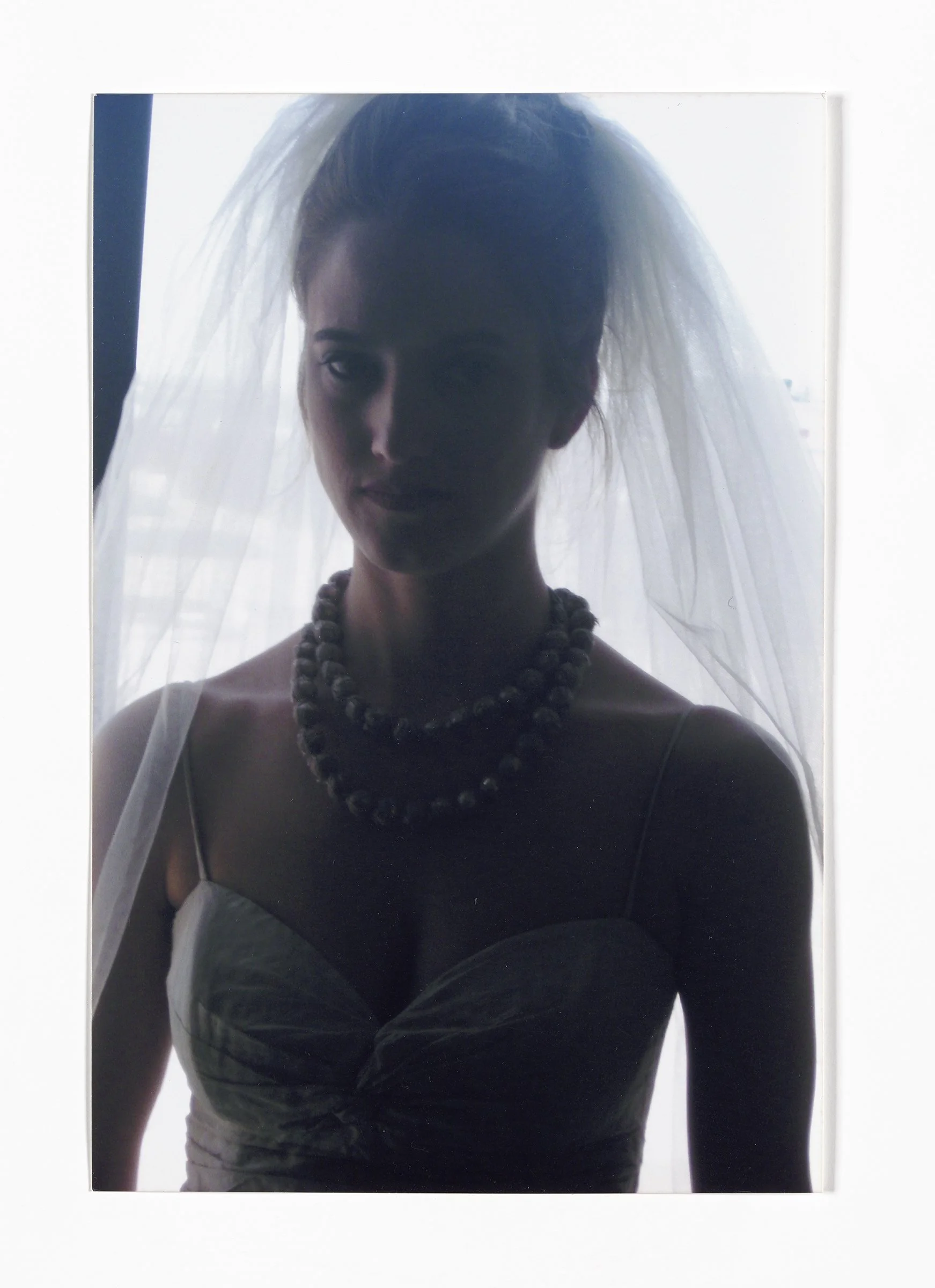
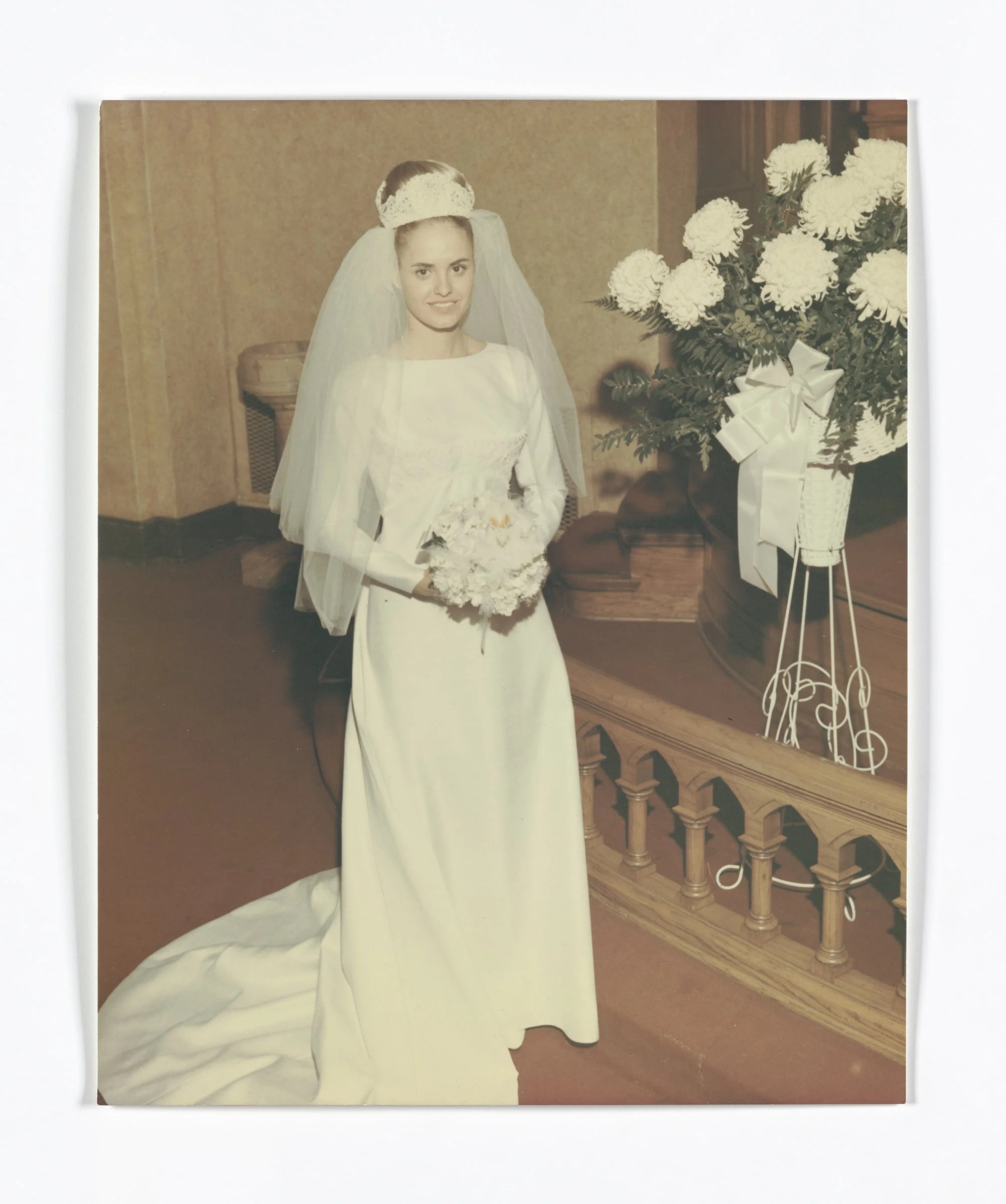
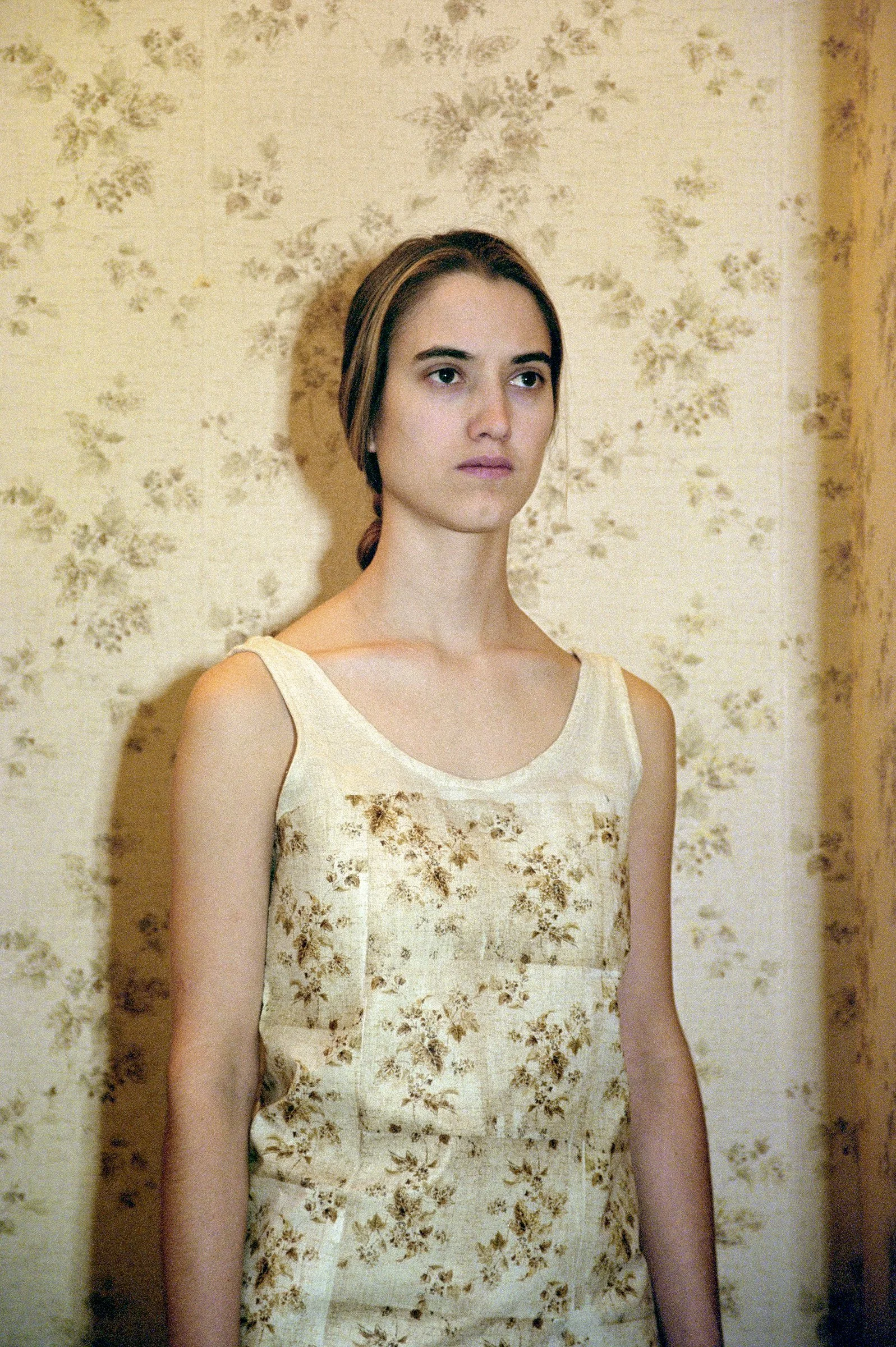
Photo taken by my mother on my wedding day.
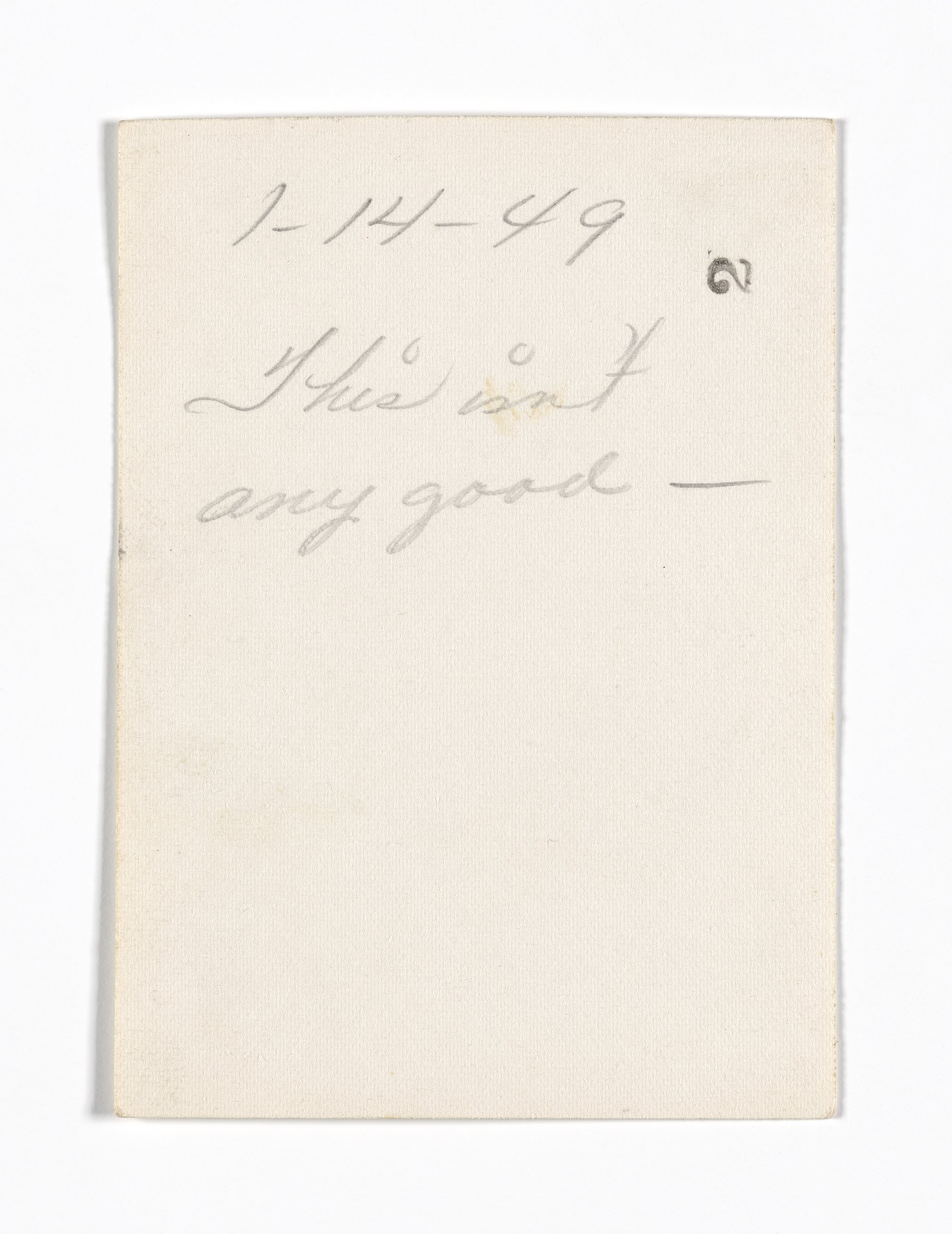
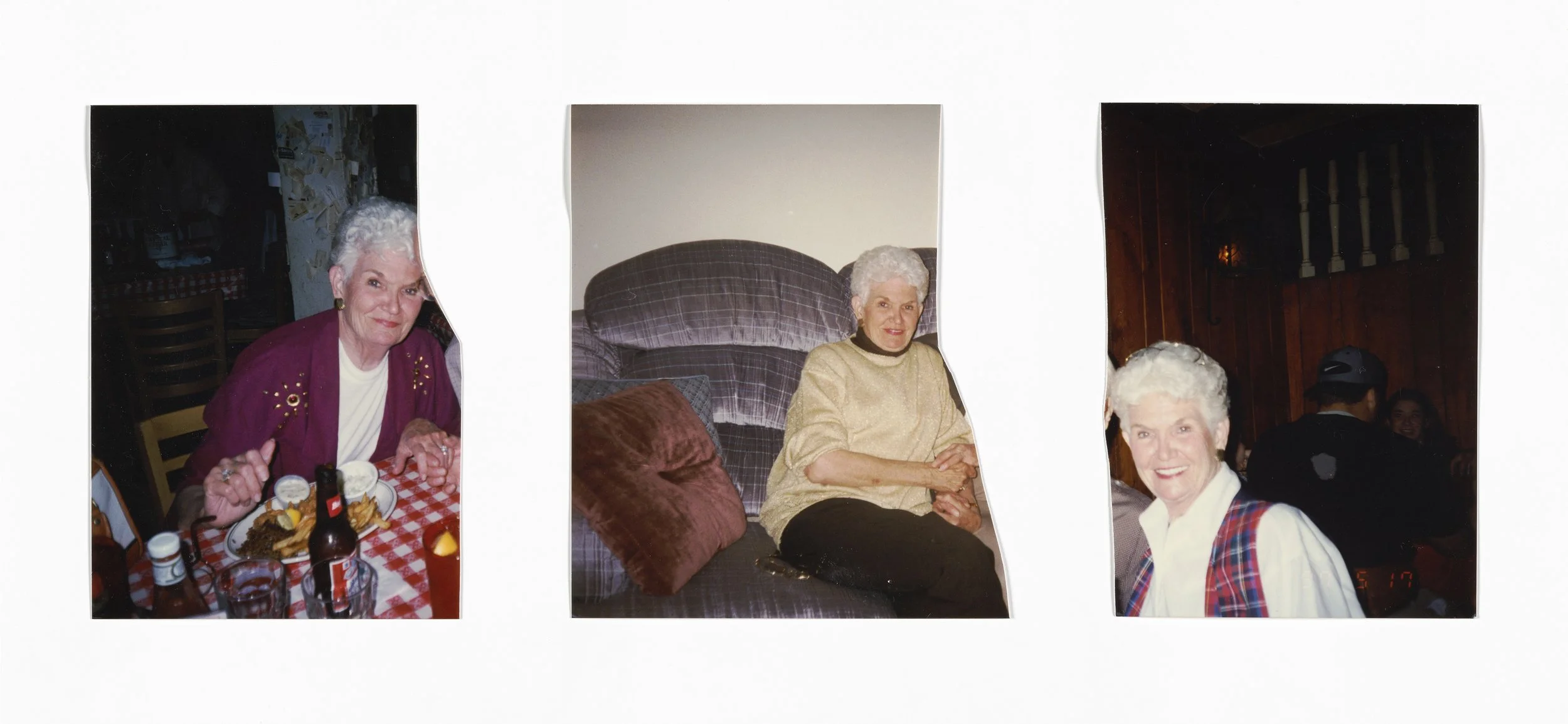
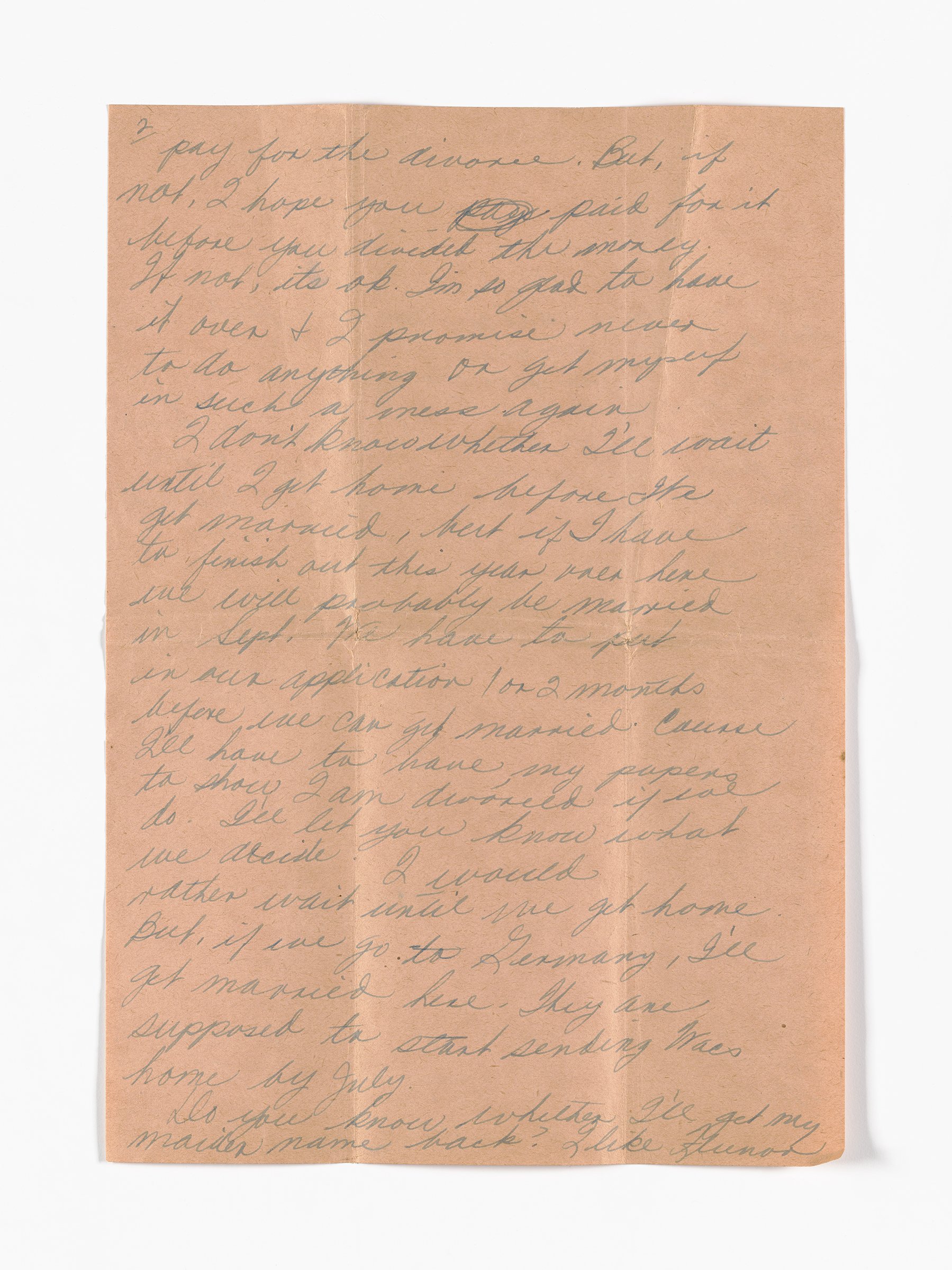
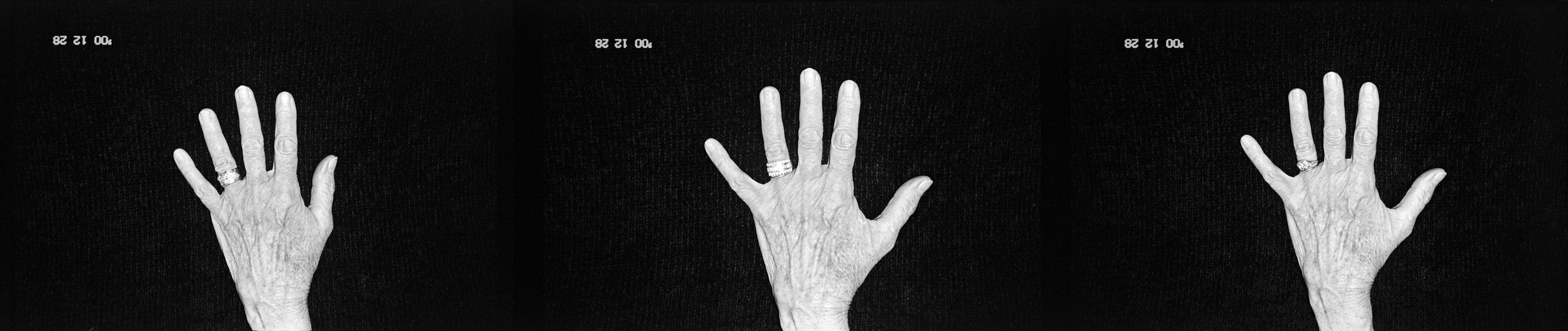
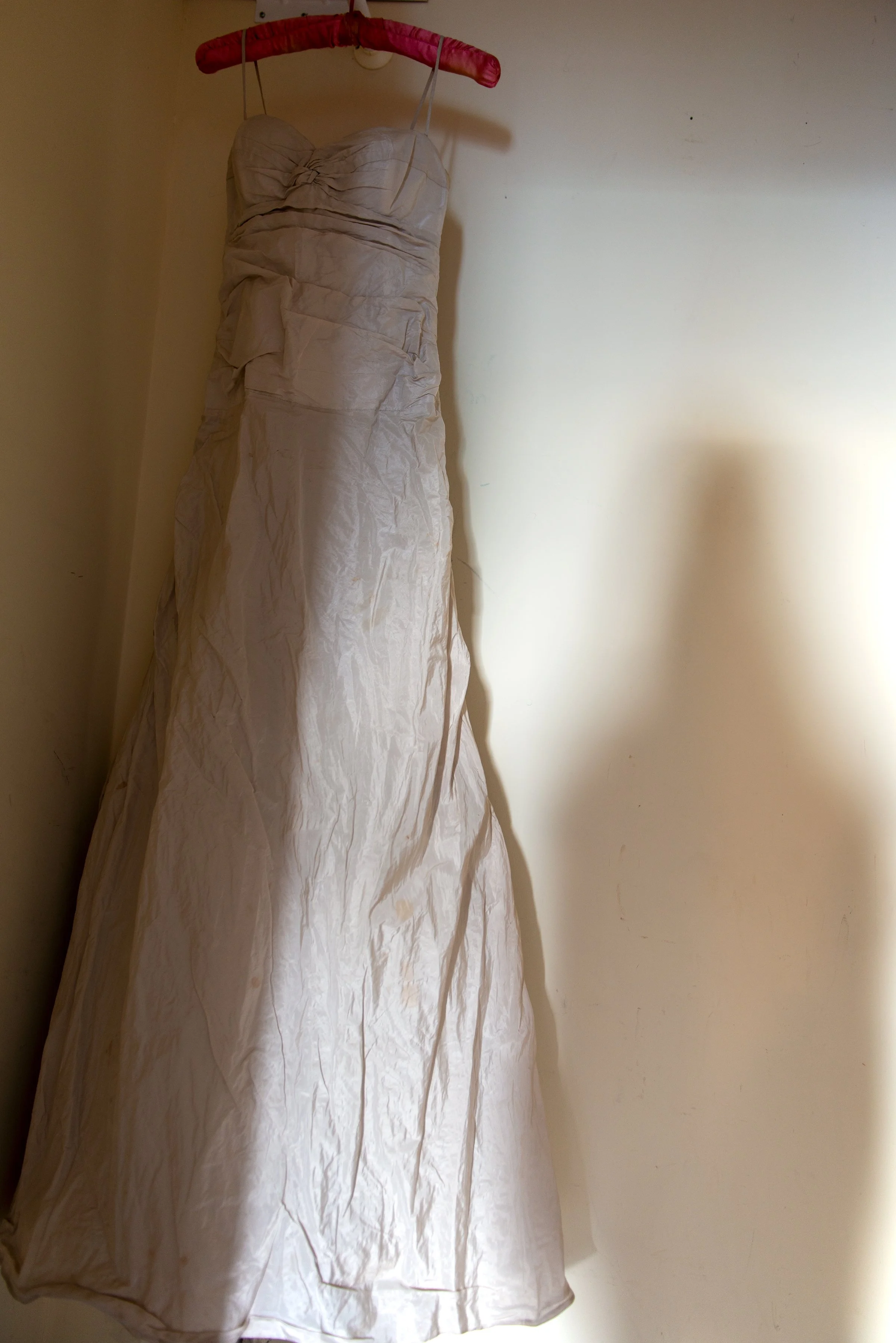

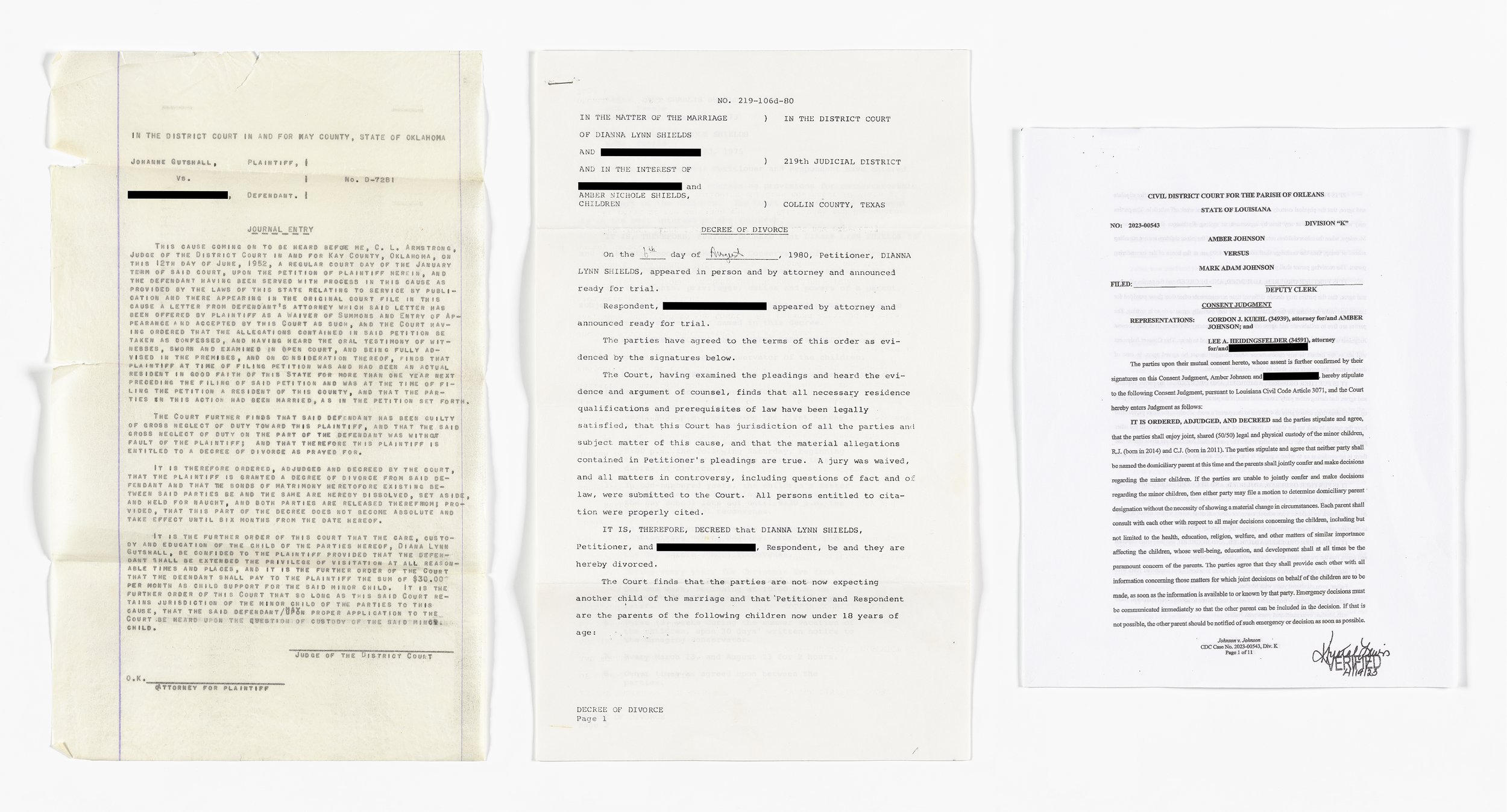
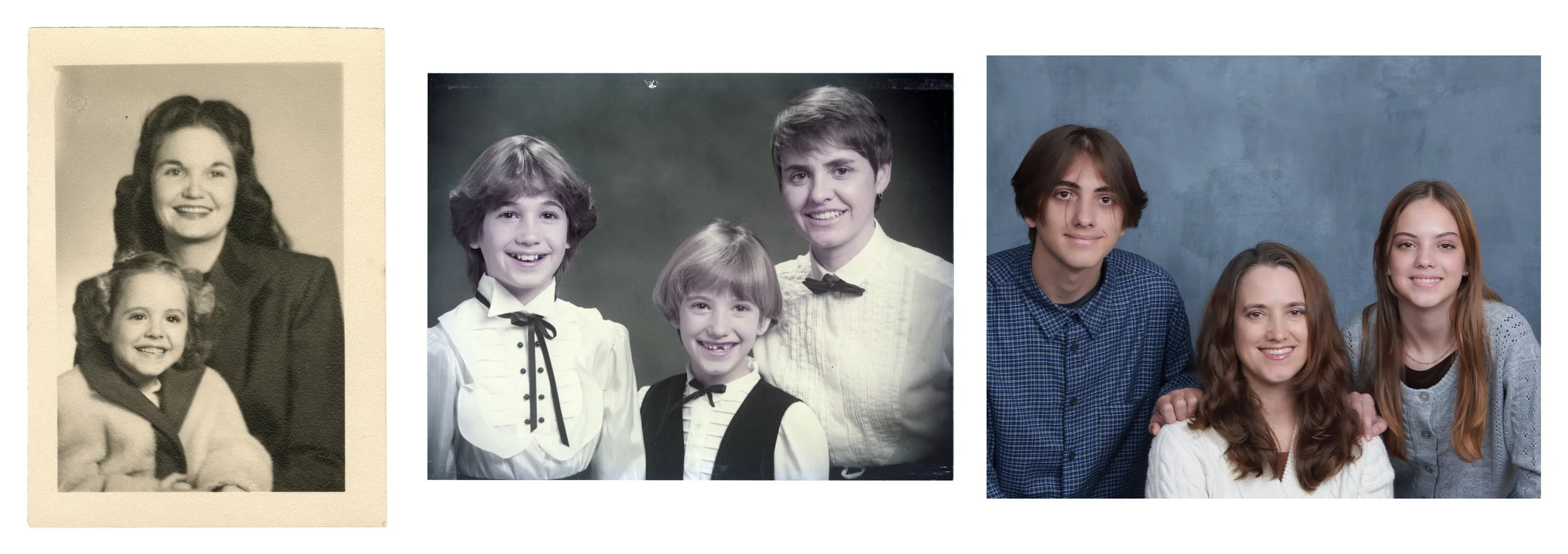
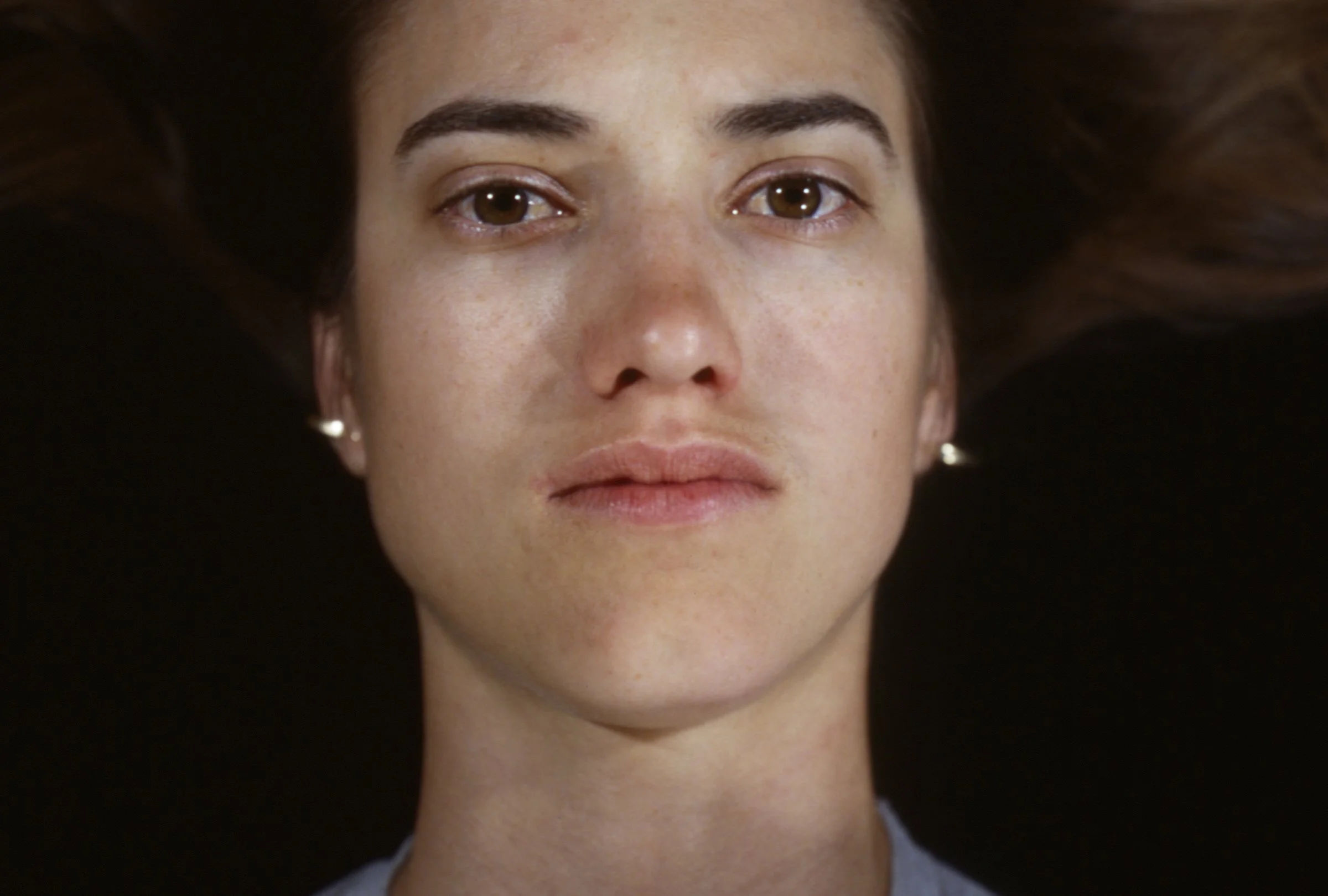
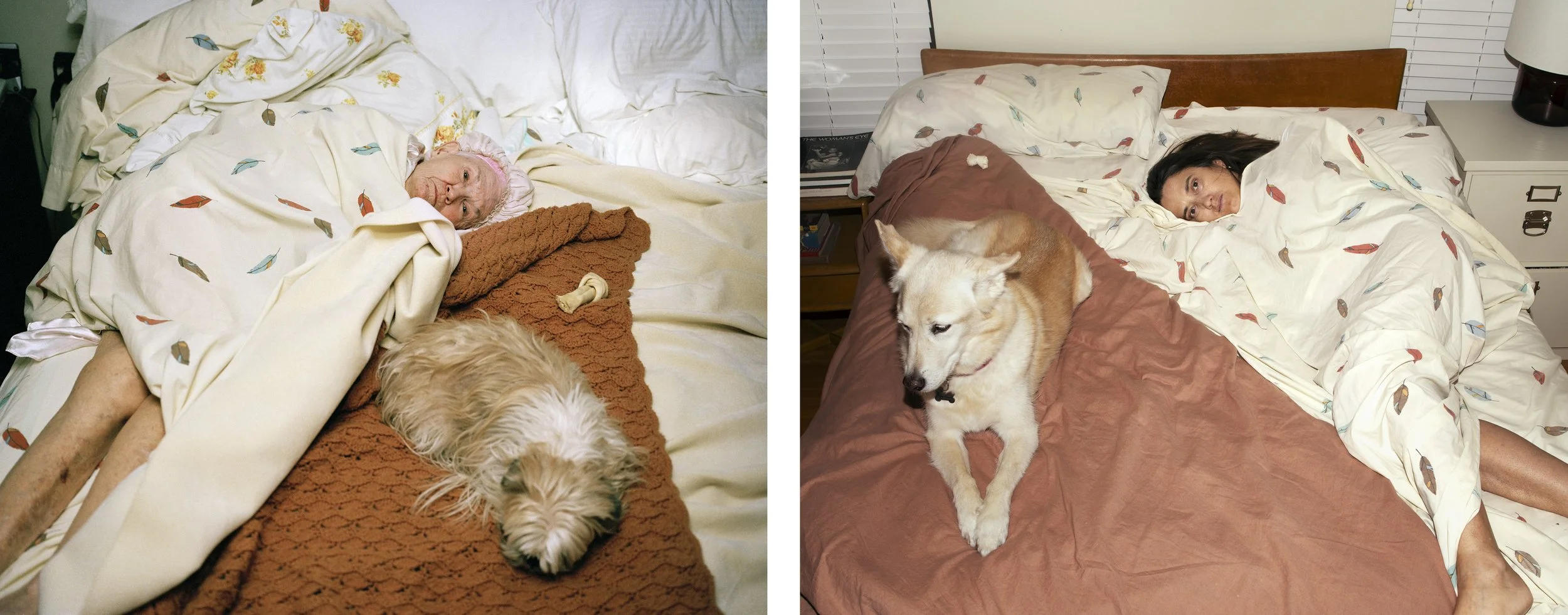
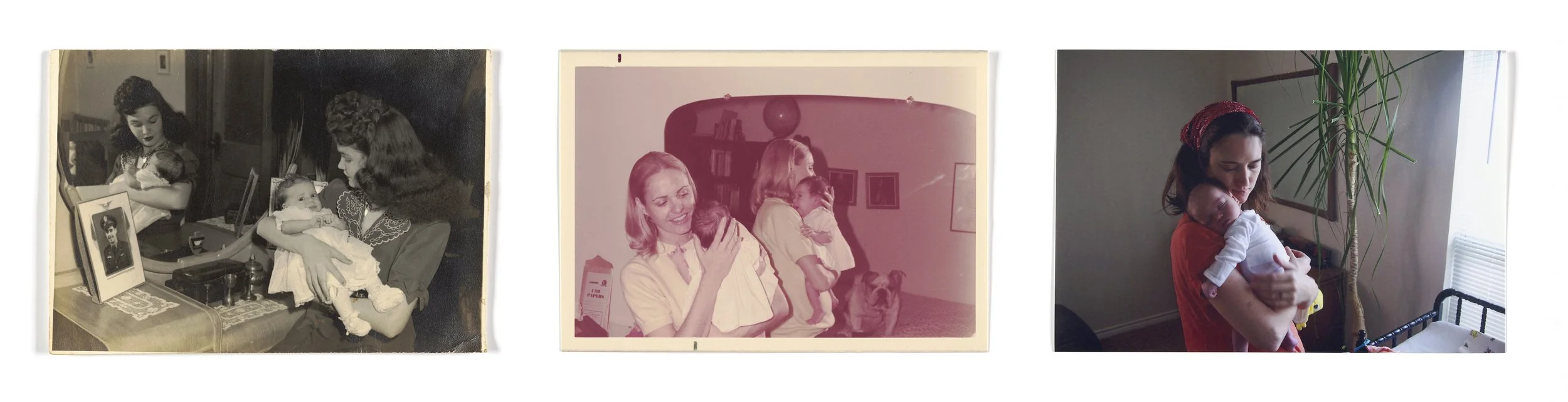
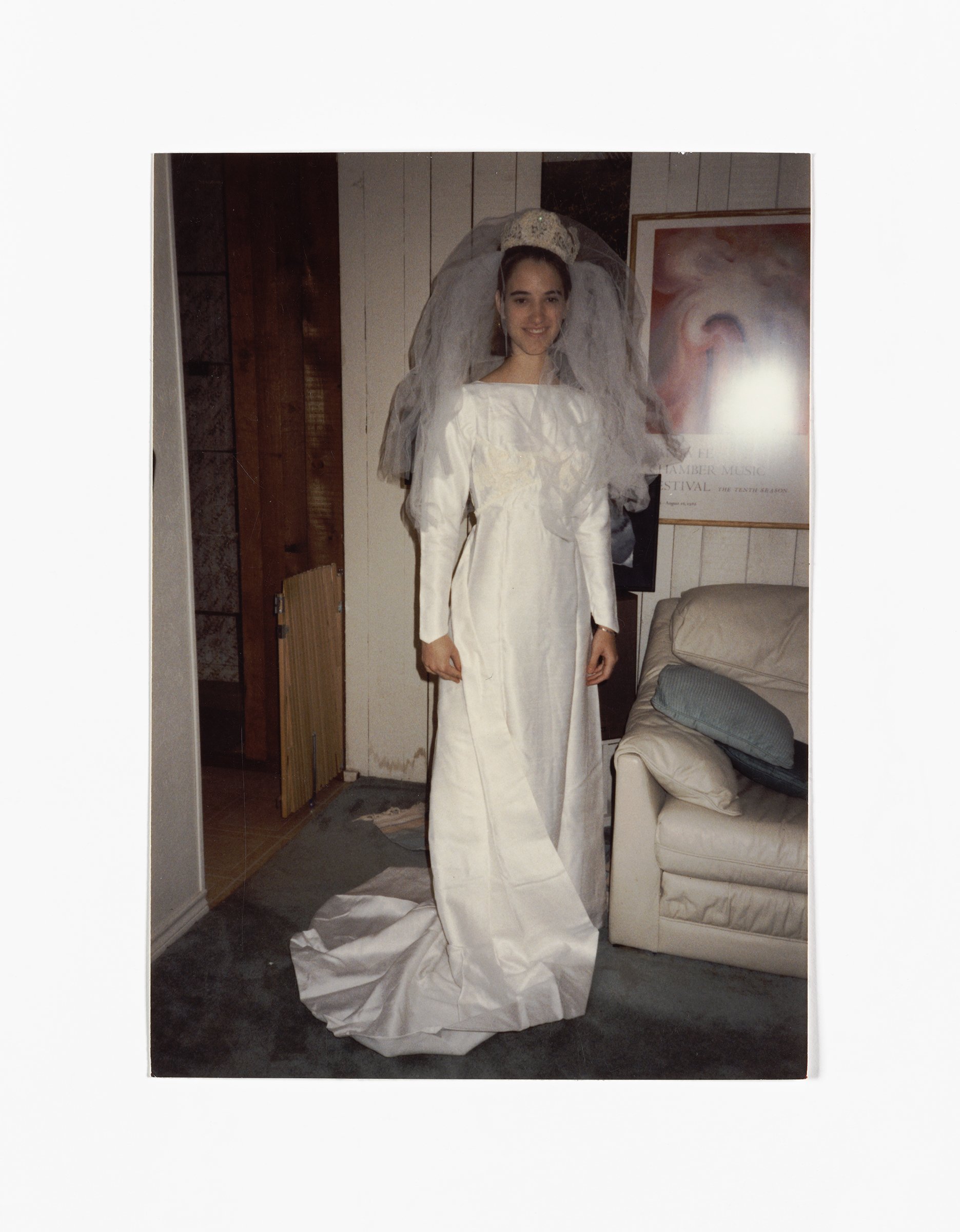
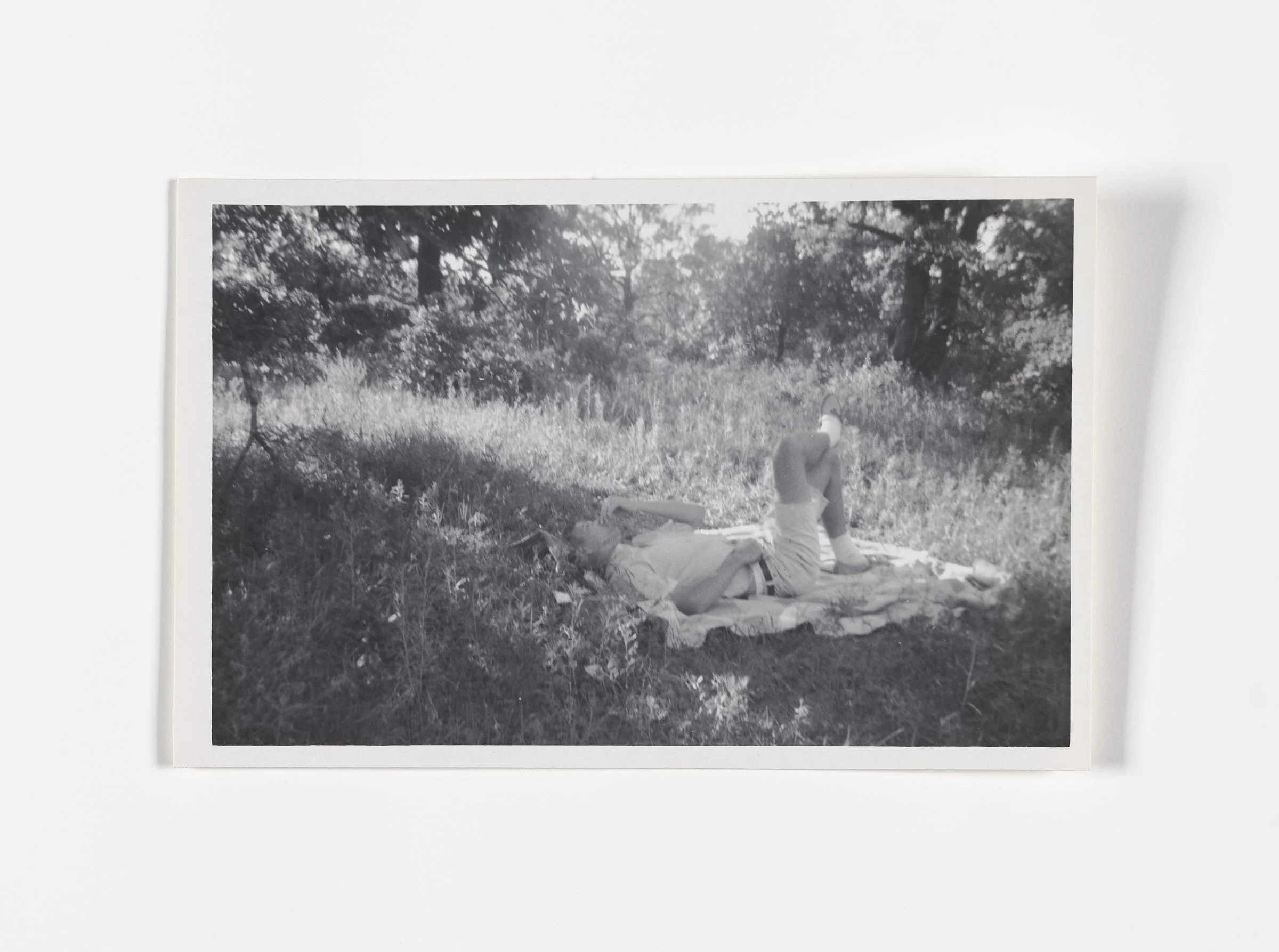
Photo taken by my me of my grandmother, 2005; Photo taken by my daughter of me, 2025


WIFMAN
Across languages, words for “woman”—femme in French, mujer in Spanish, Frau in German—also mean “wife,” illustrating how women’s identities have long been entwined with marriage. The English word “woman” itself comes from “wifman,” reflecting centuries in which legal, social, and personal identity depended on marital status. For 800 years, coverture laws have enforced this dependency by legally restricting a woman’s economic and personal autonomy. My grandmother, though her family’s main provider, could not open a bank account or secure a mortgage without her husband. My mother needed a husband to obtain a credit card. Only in the last fifty years have the last of these laws been dismantled. Born in 1975, I belong to one of the first generations to come of age without these restrictions. Yet the legacy endures: expectations, fears, desires, and patterns shaped under those conditions continue to influence future generations.
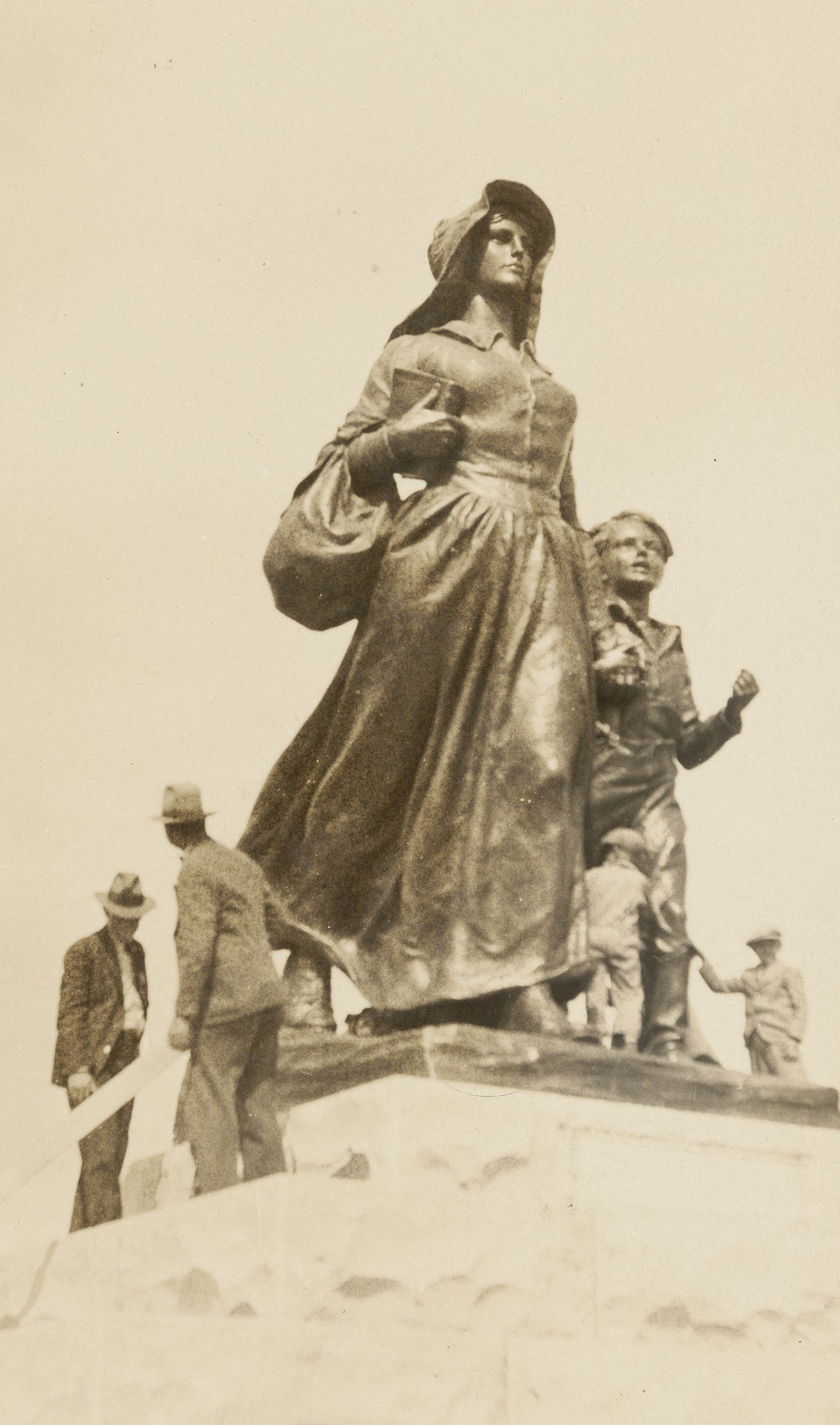
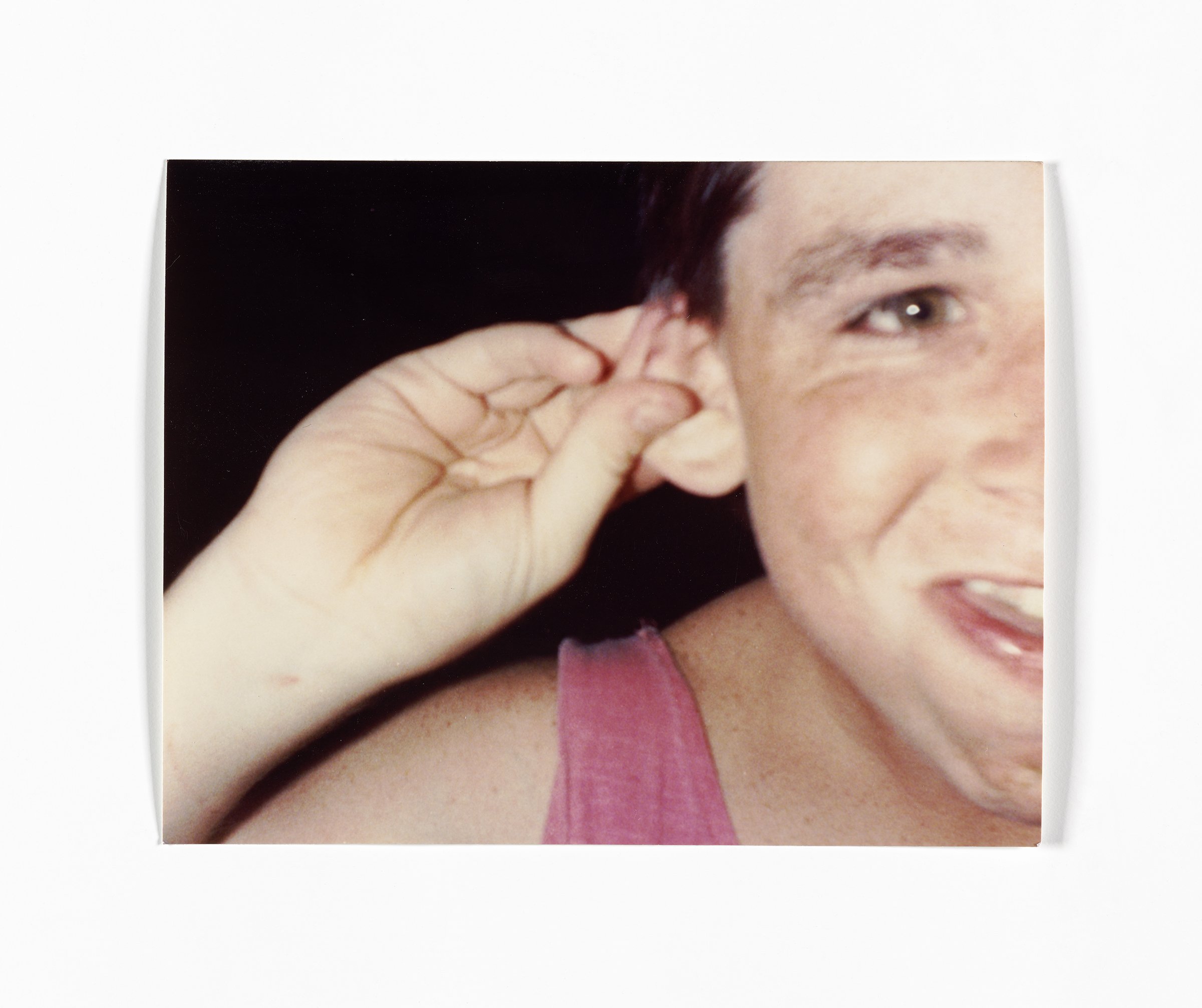
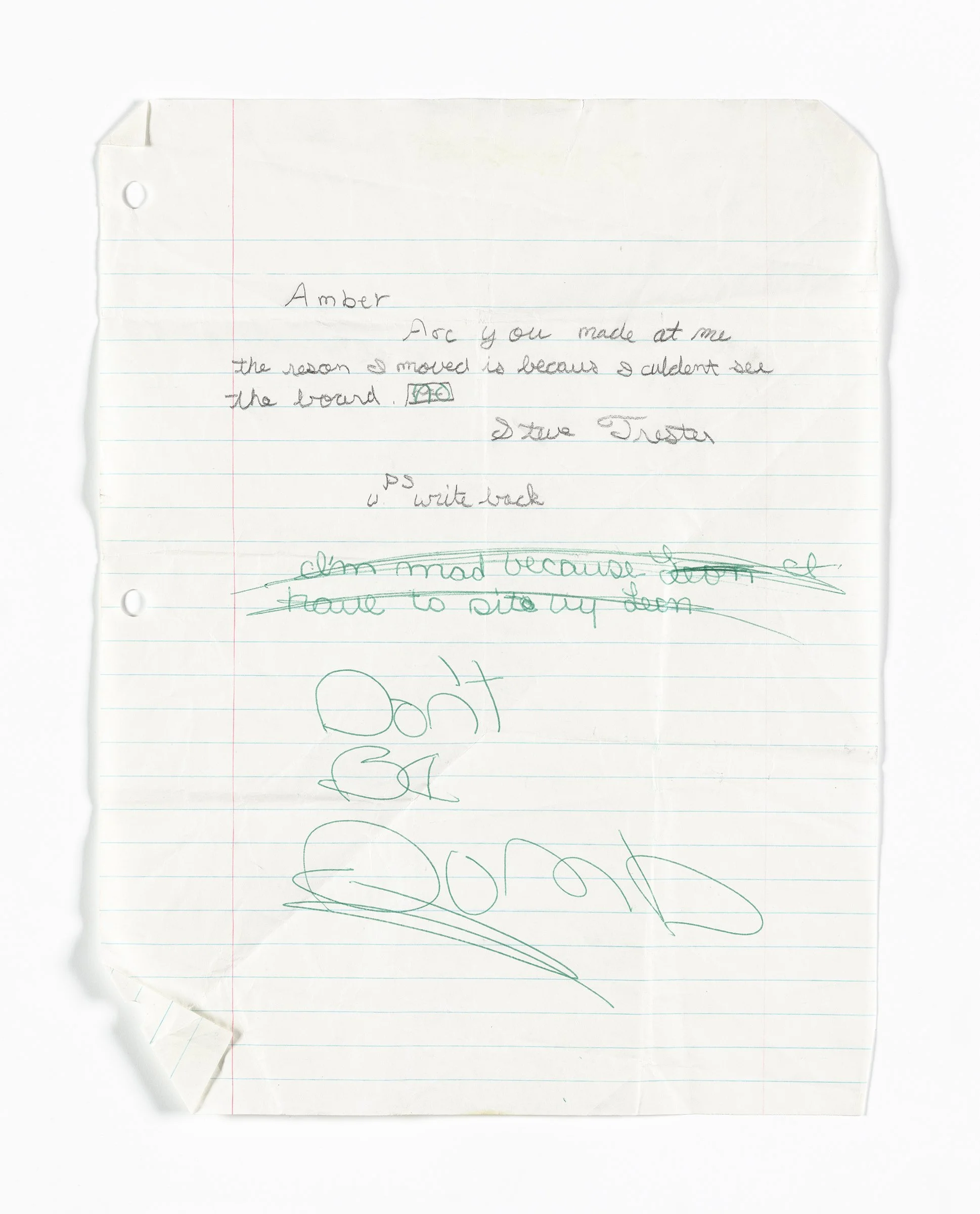
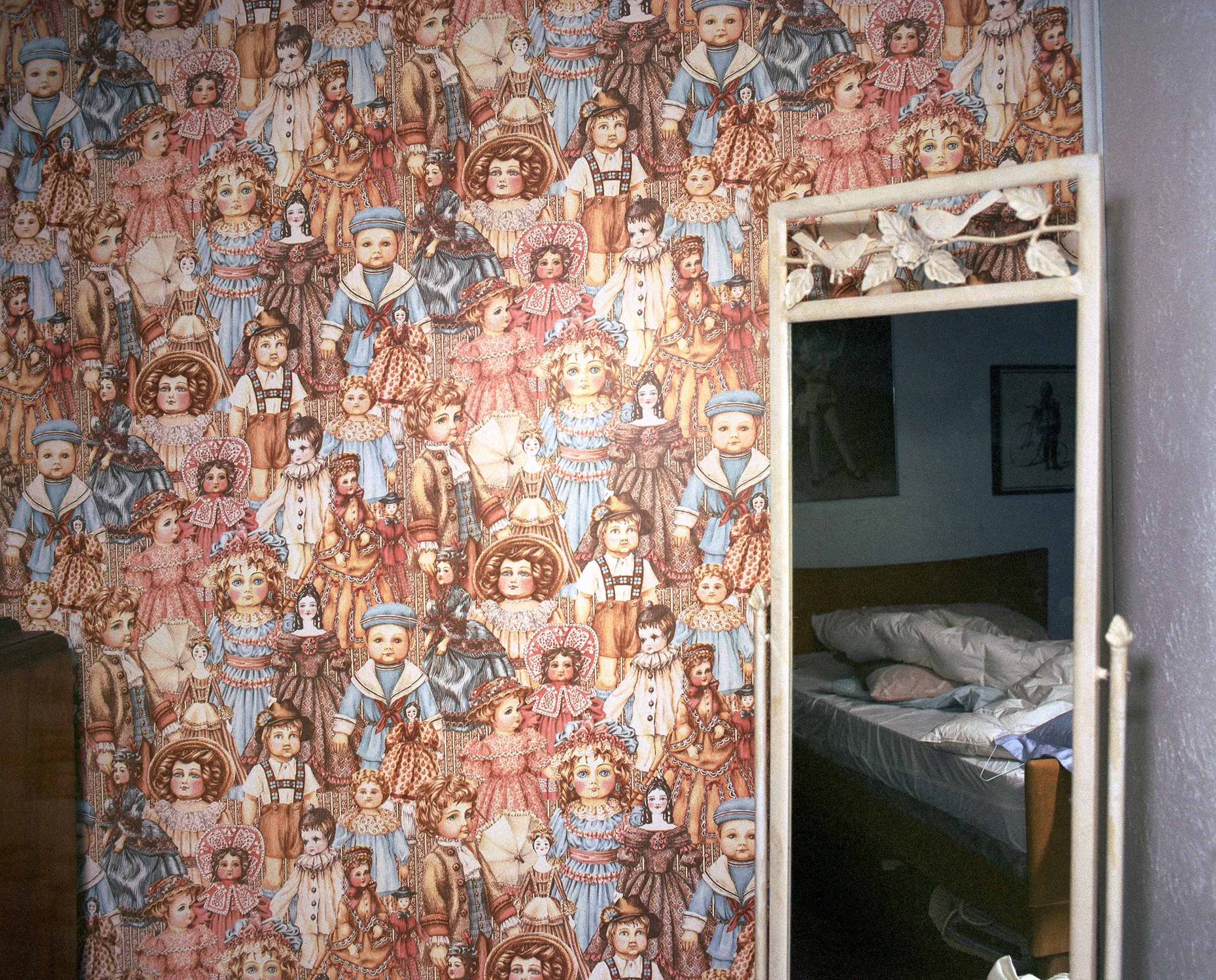
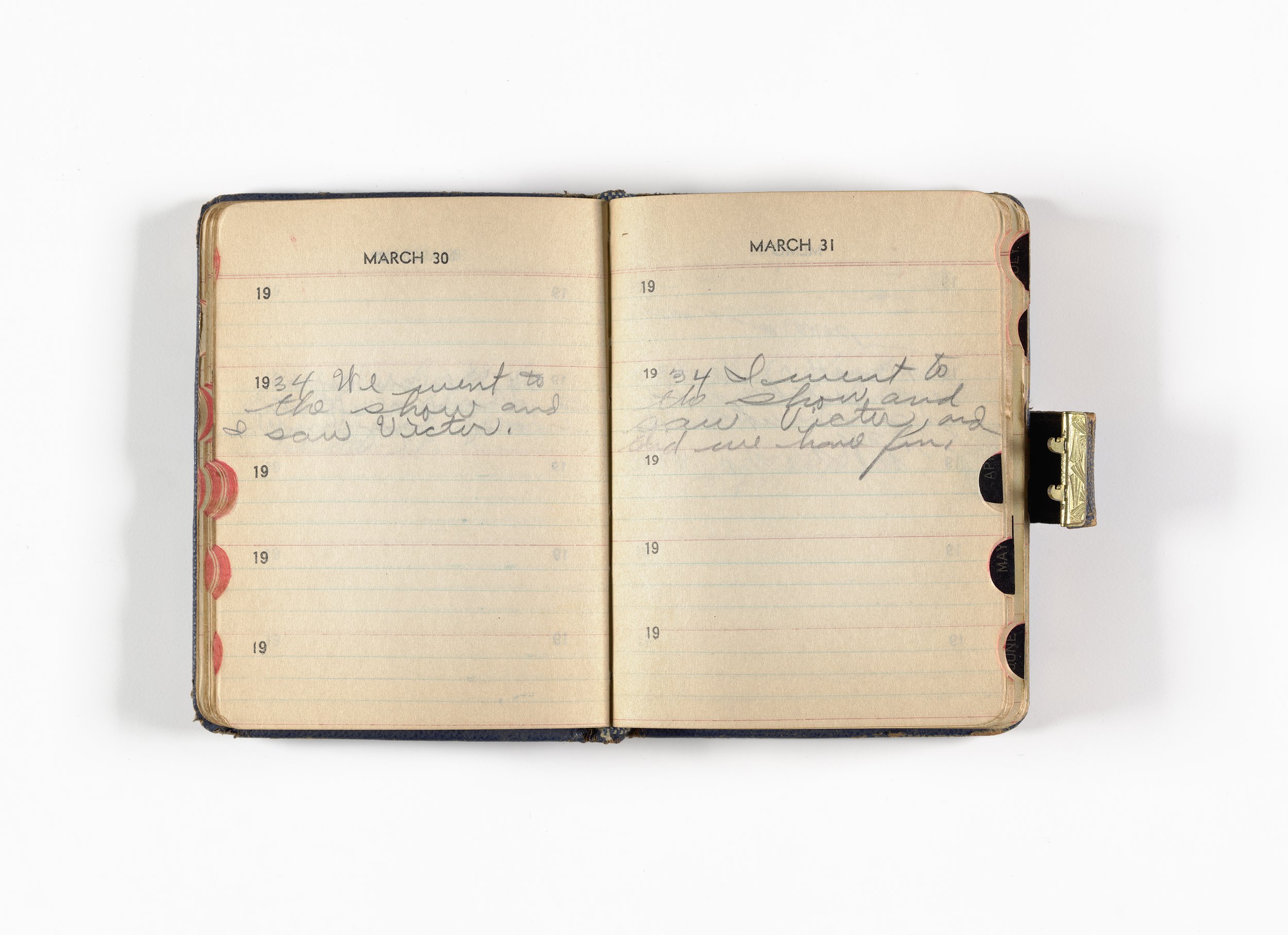
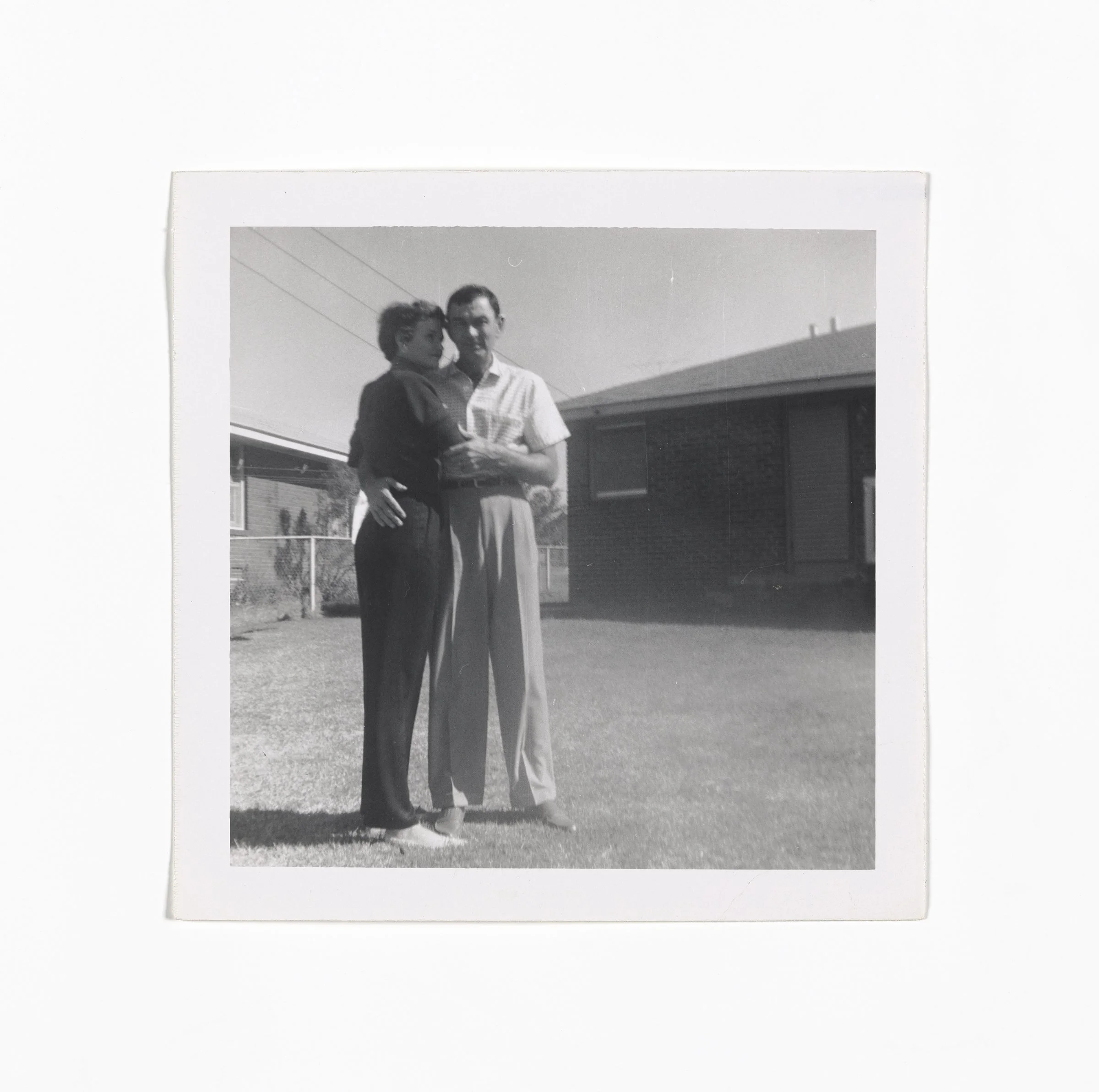
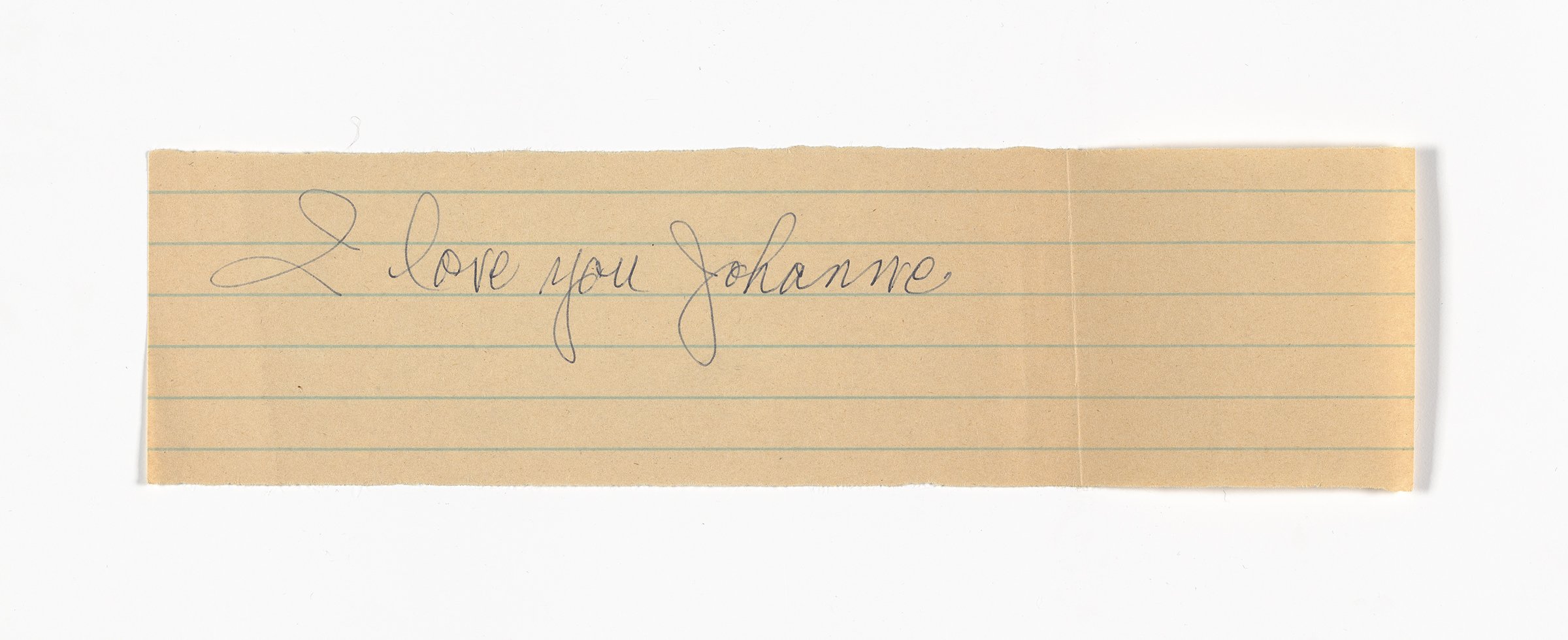
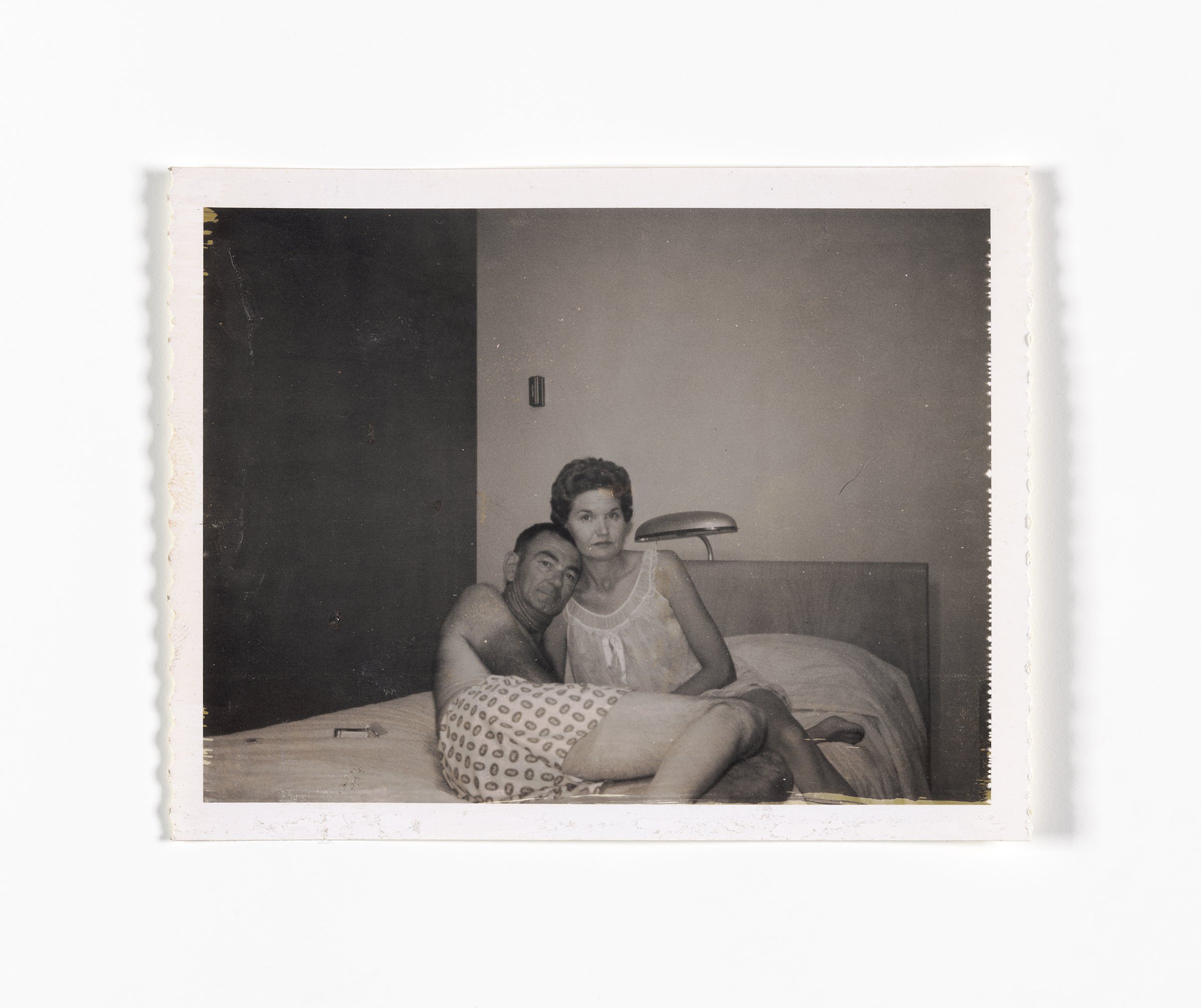
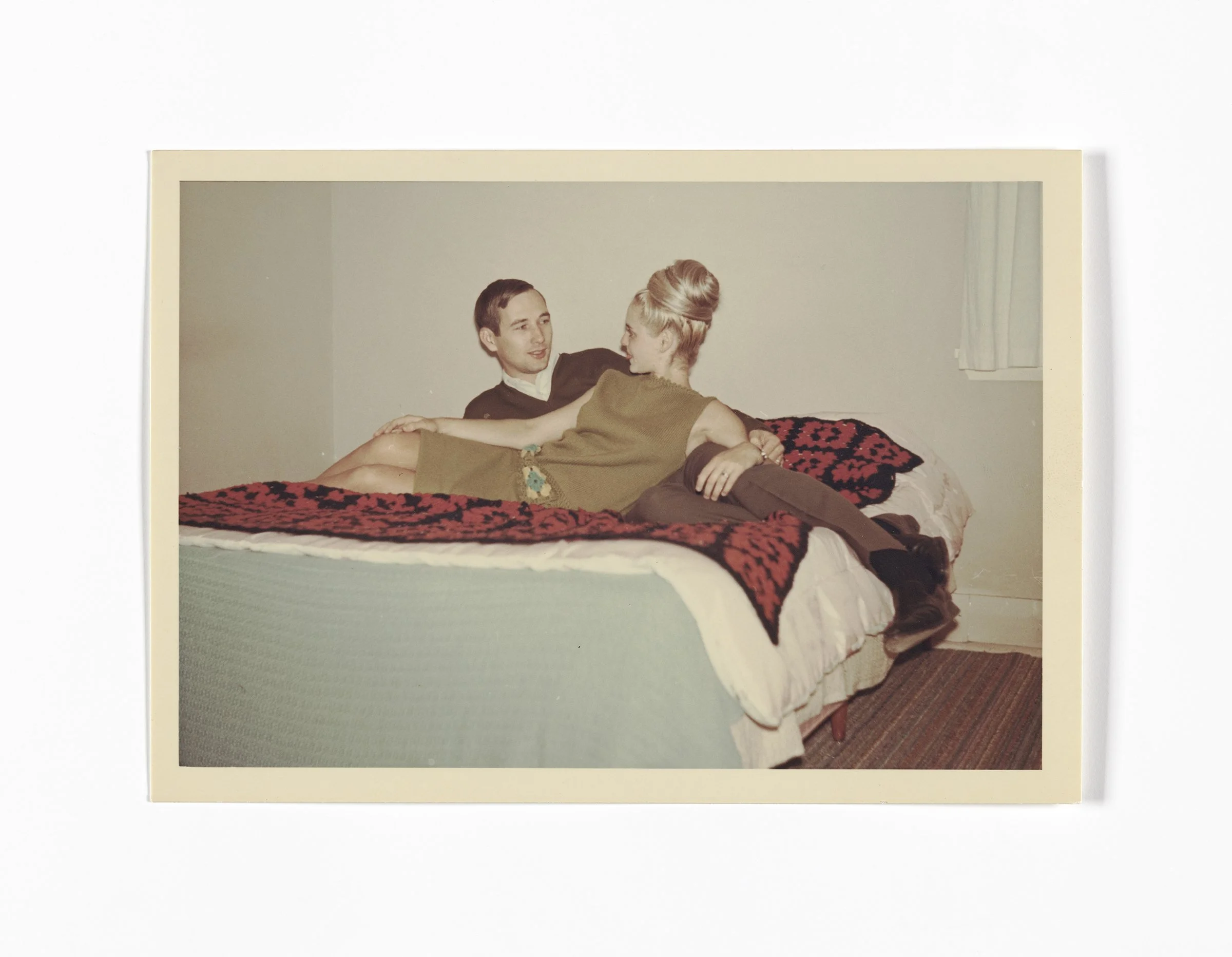
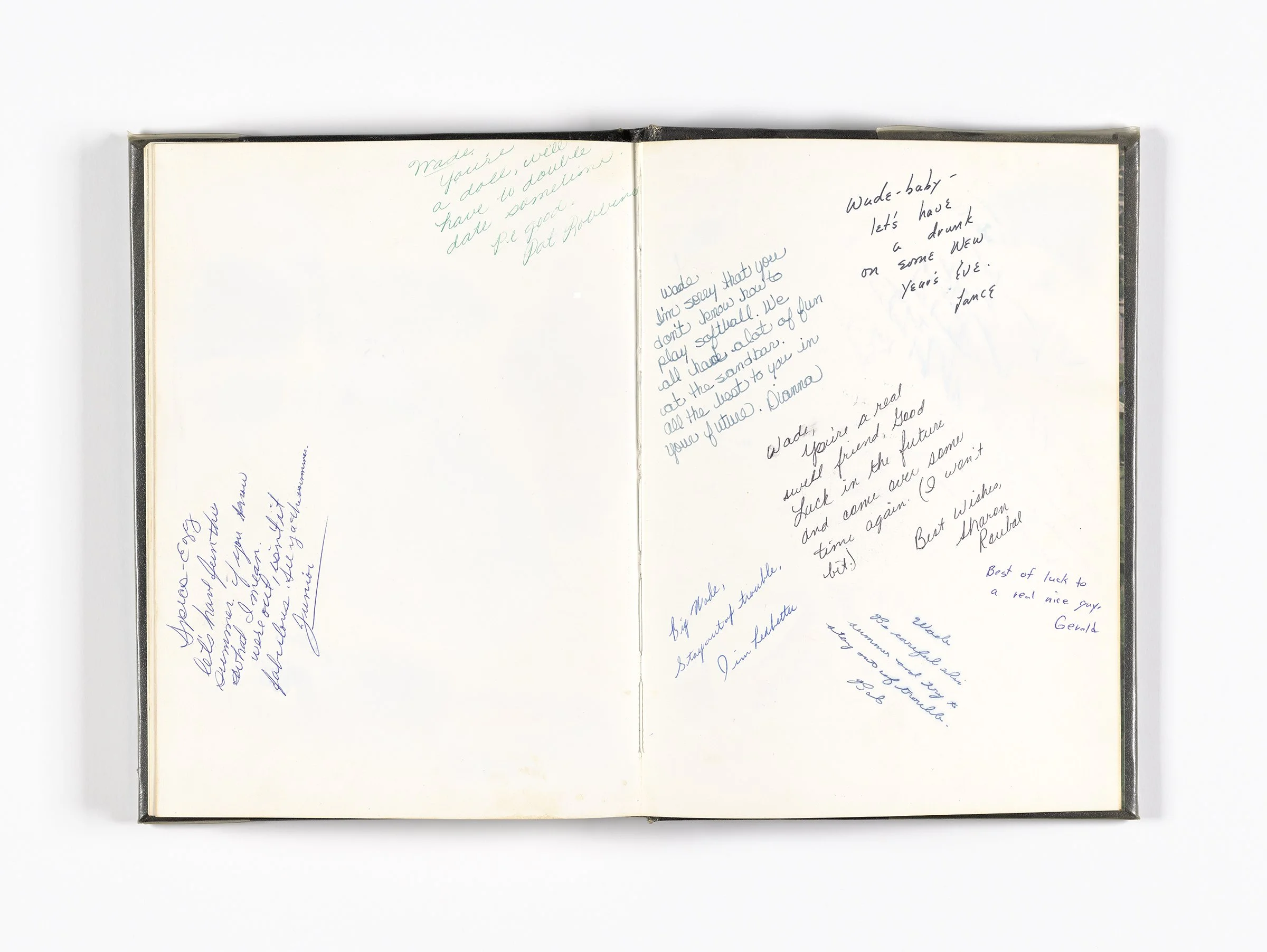
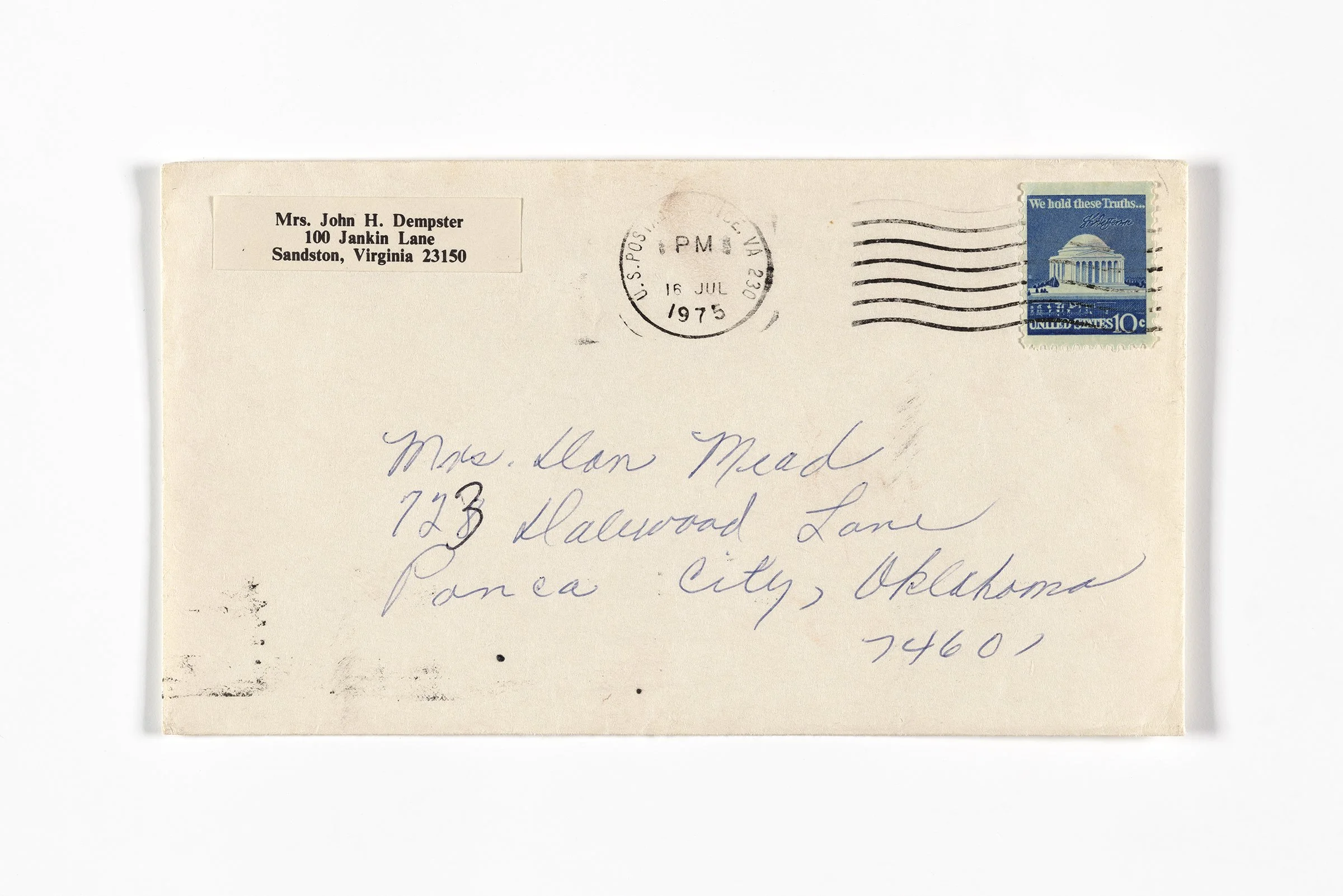
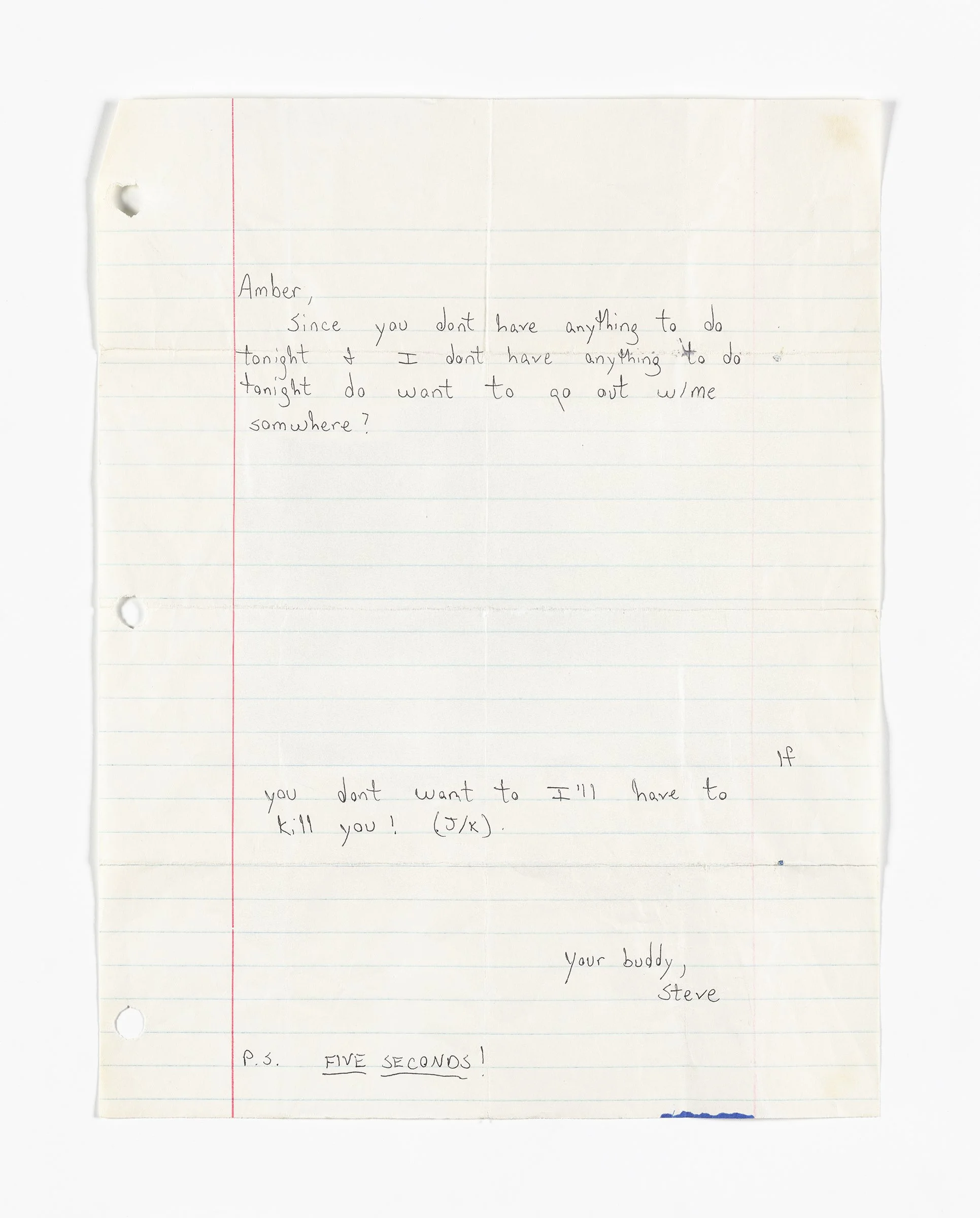
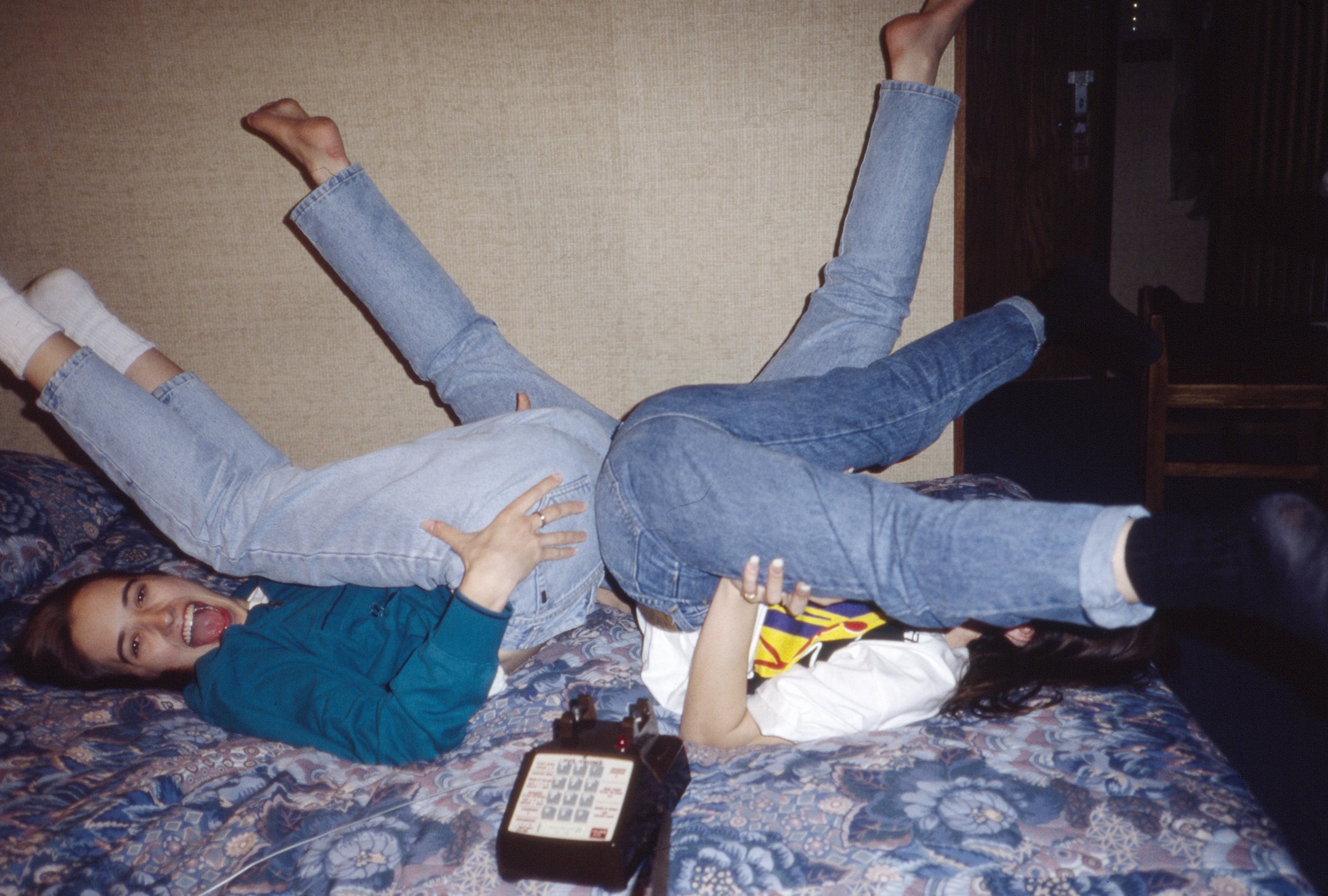
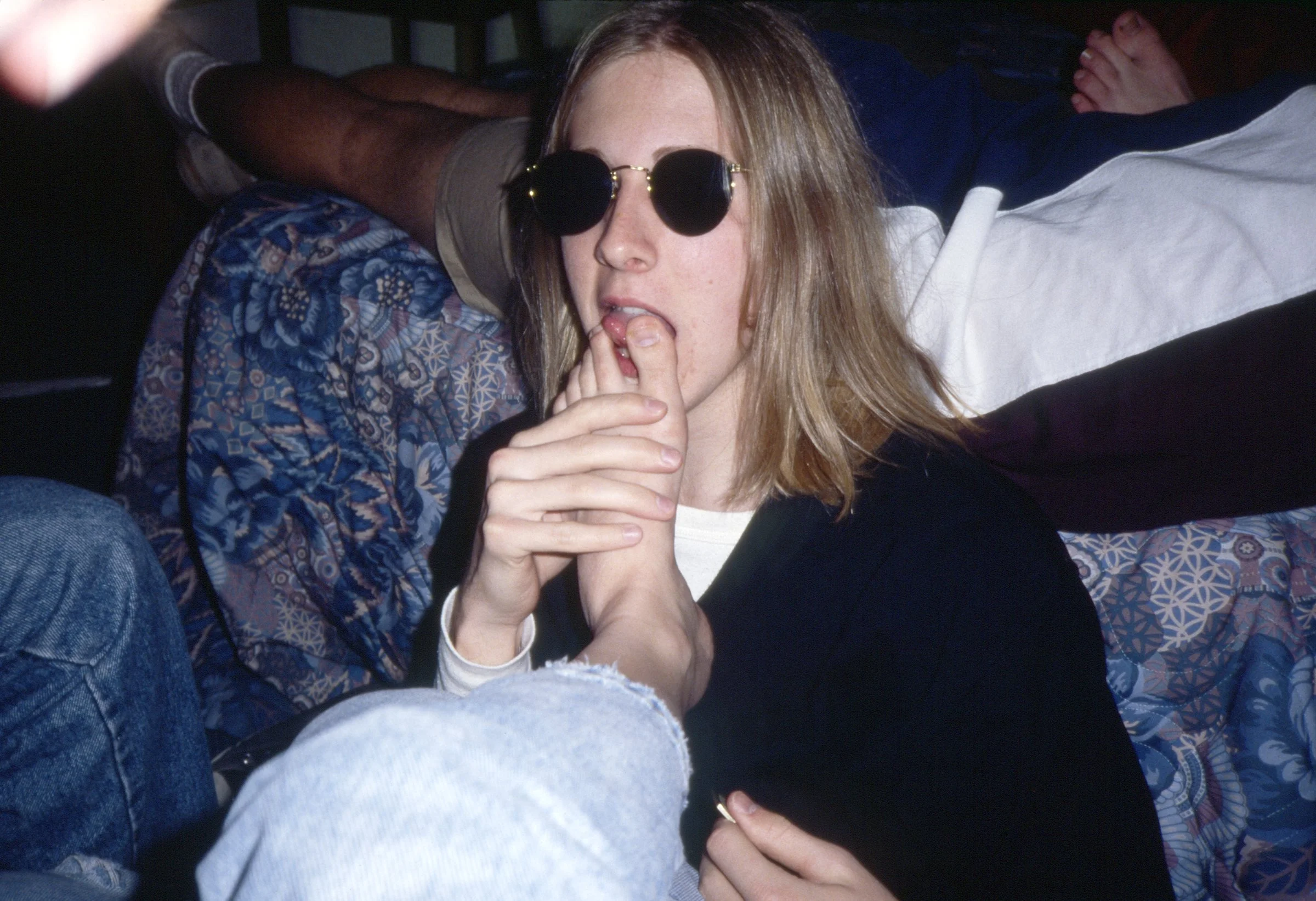
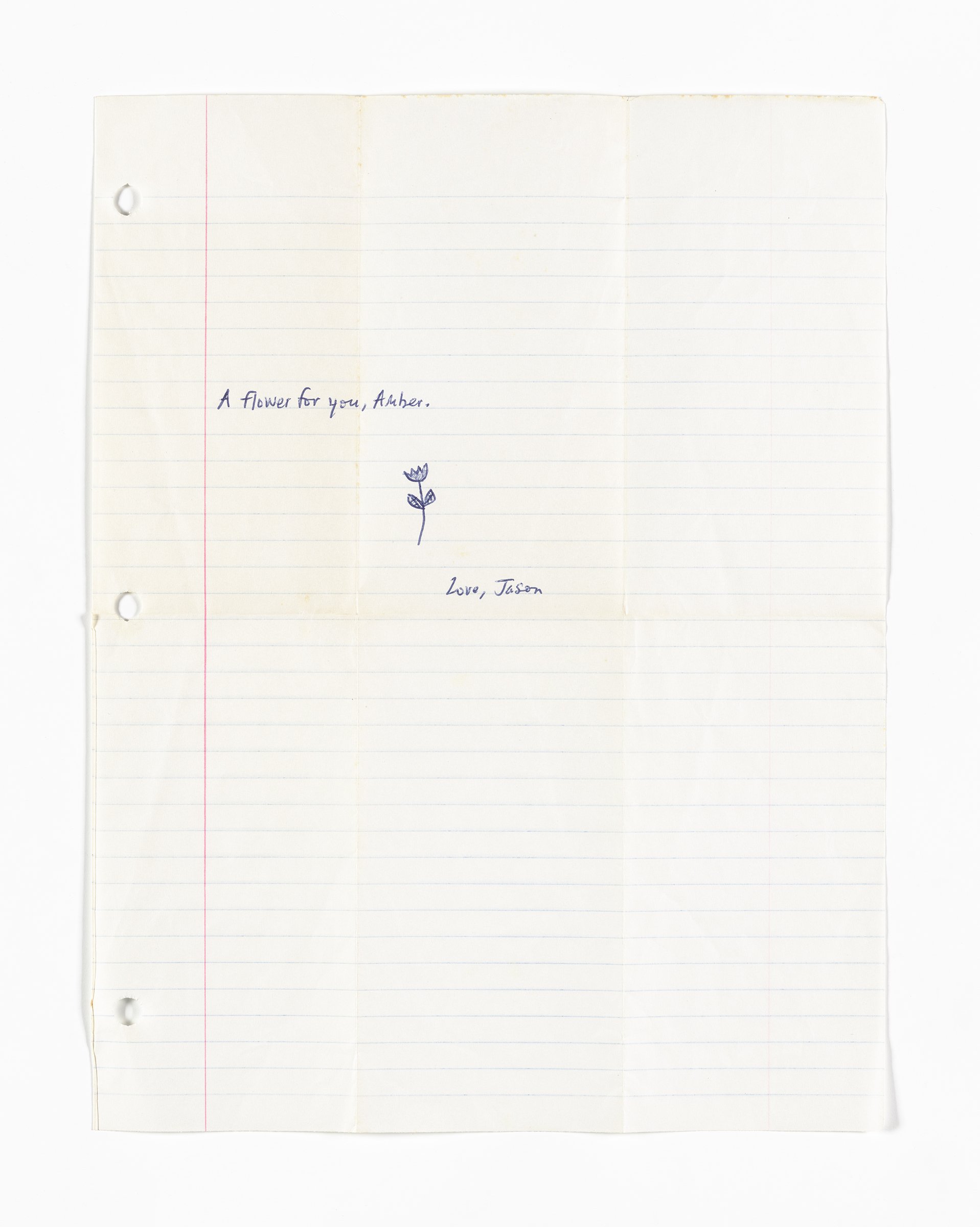
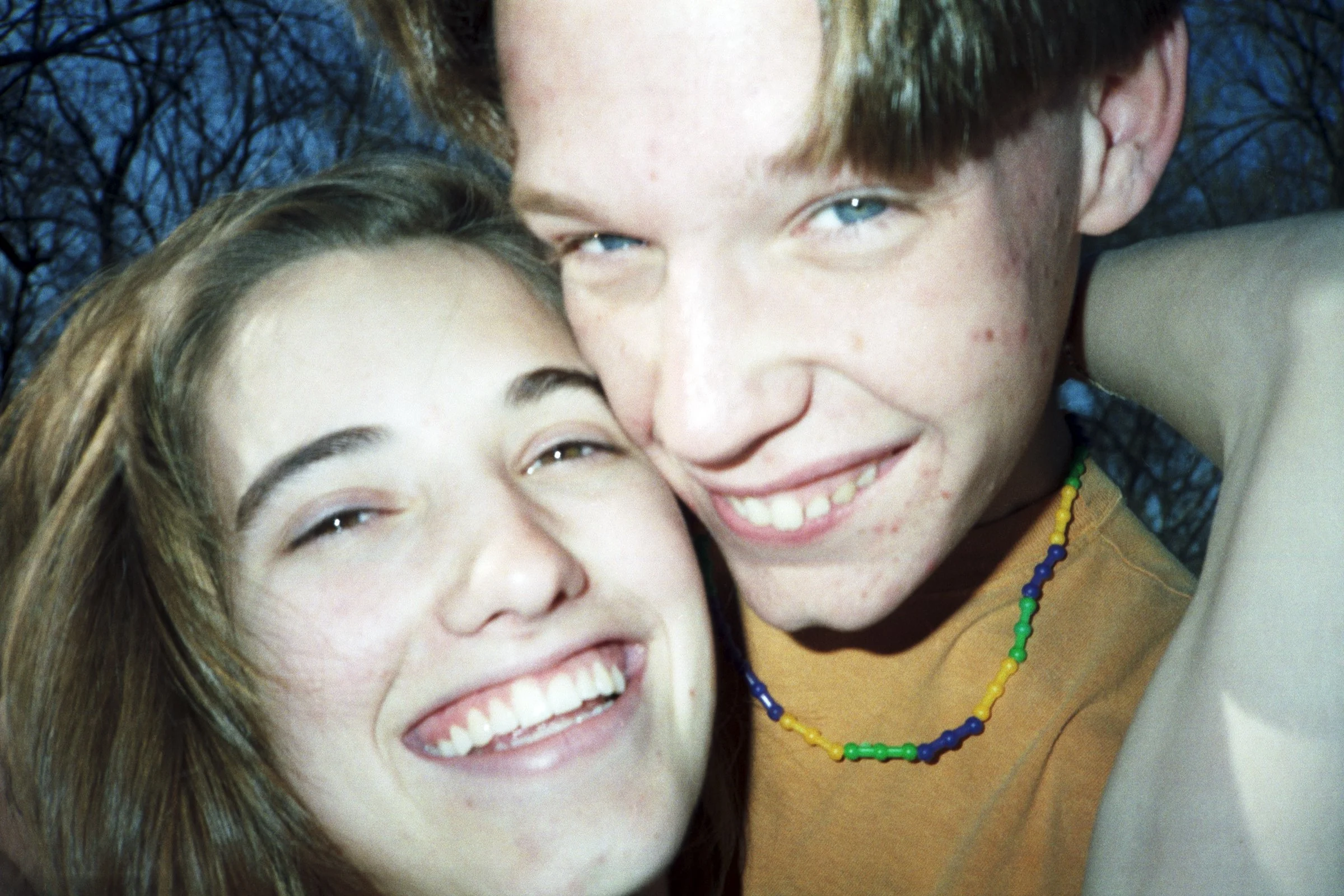
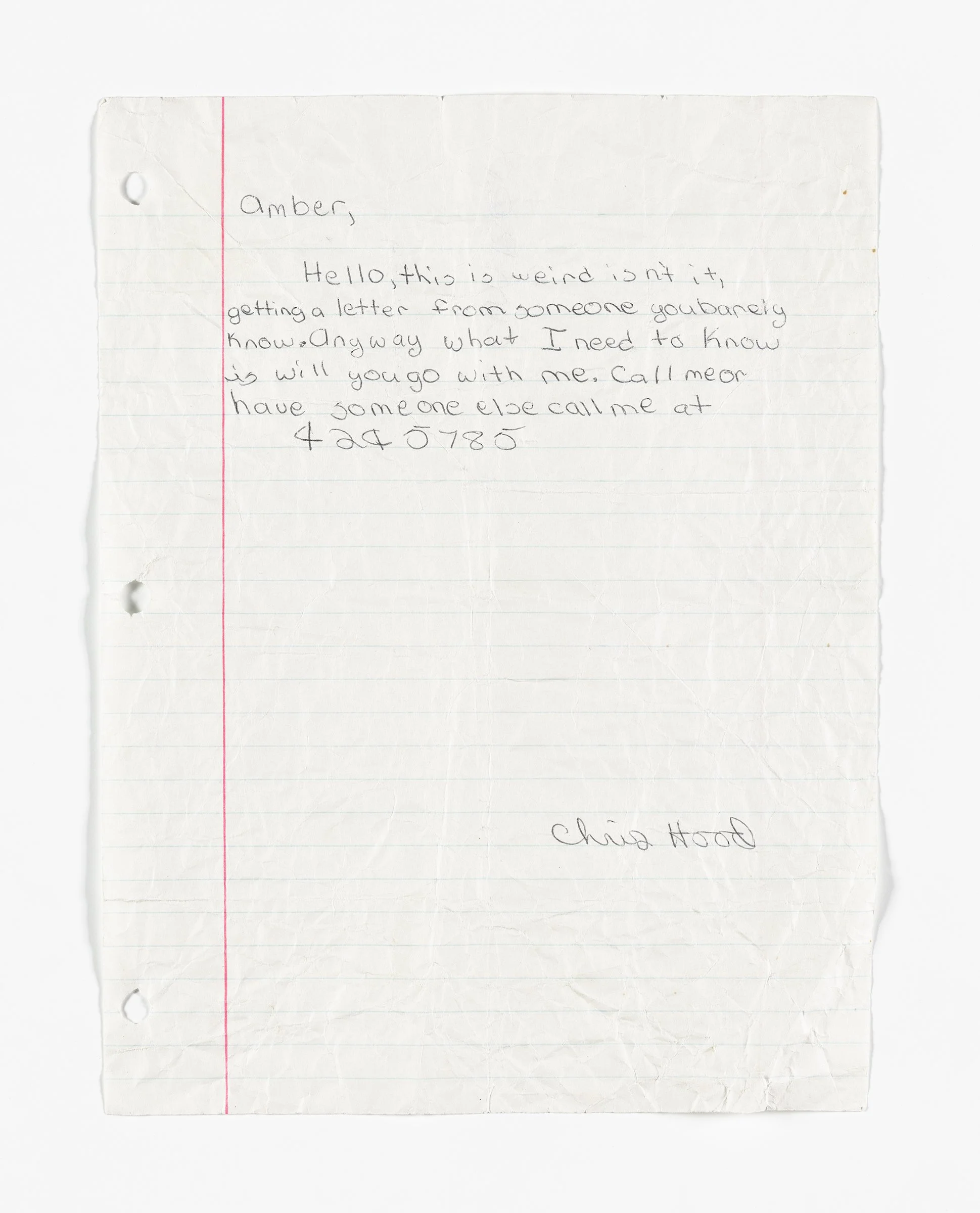
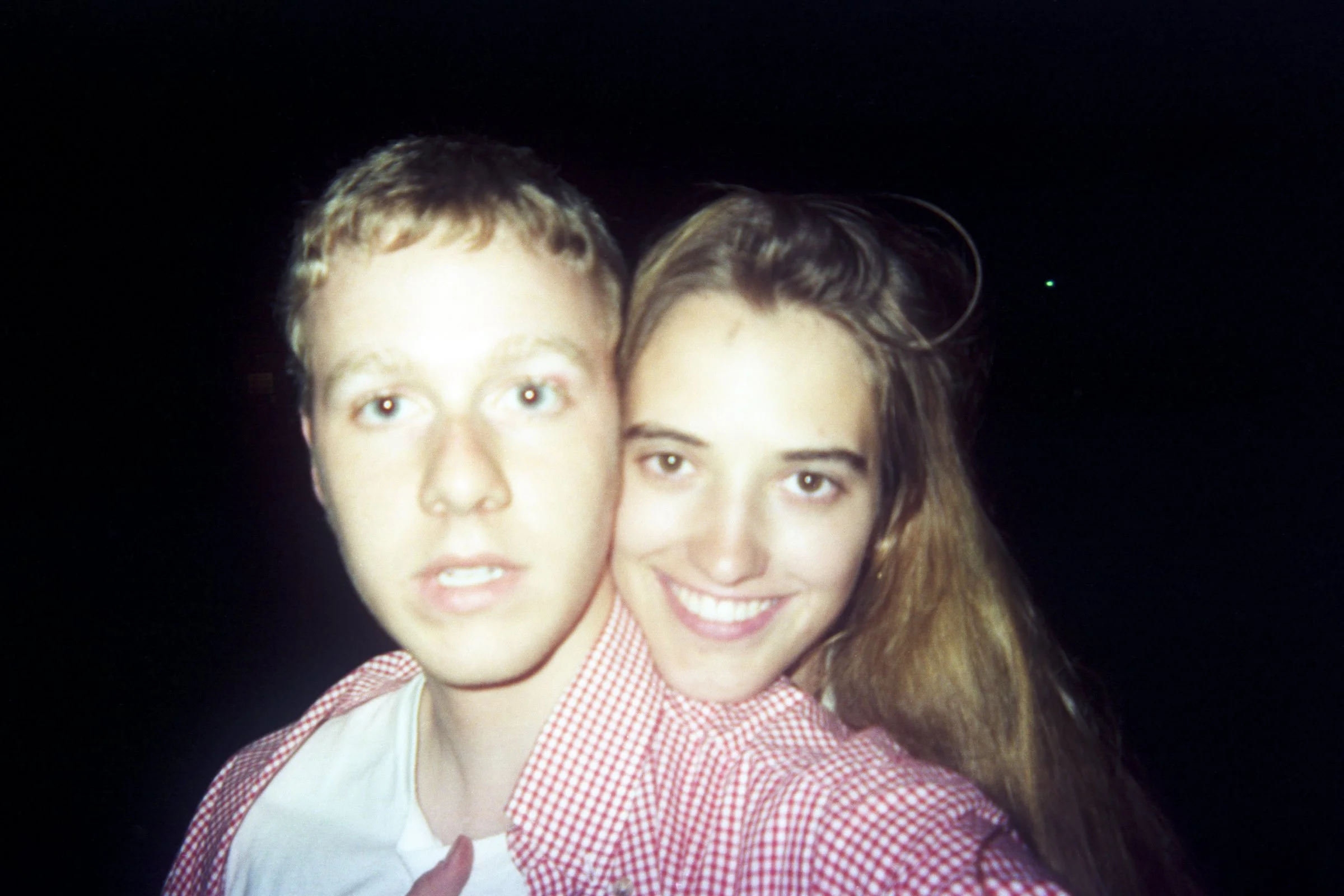
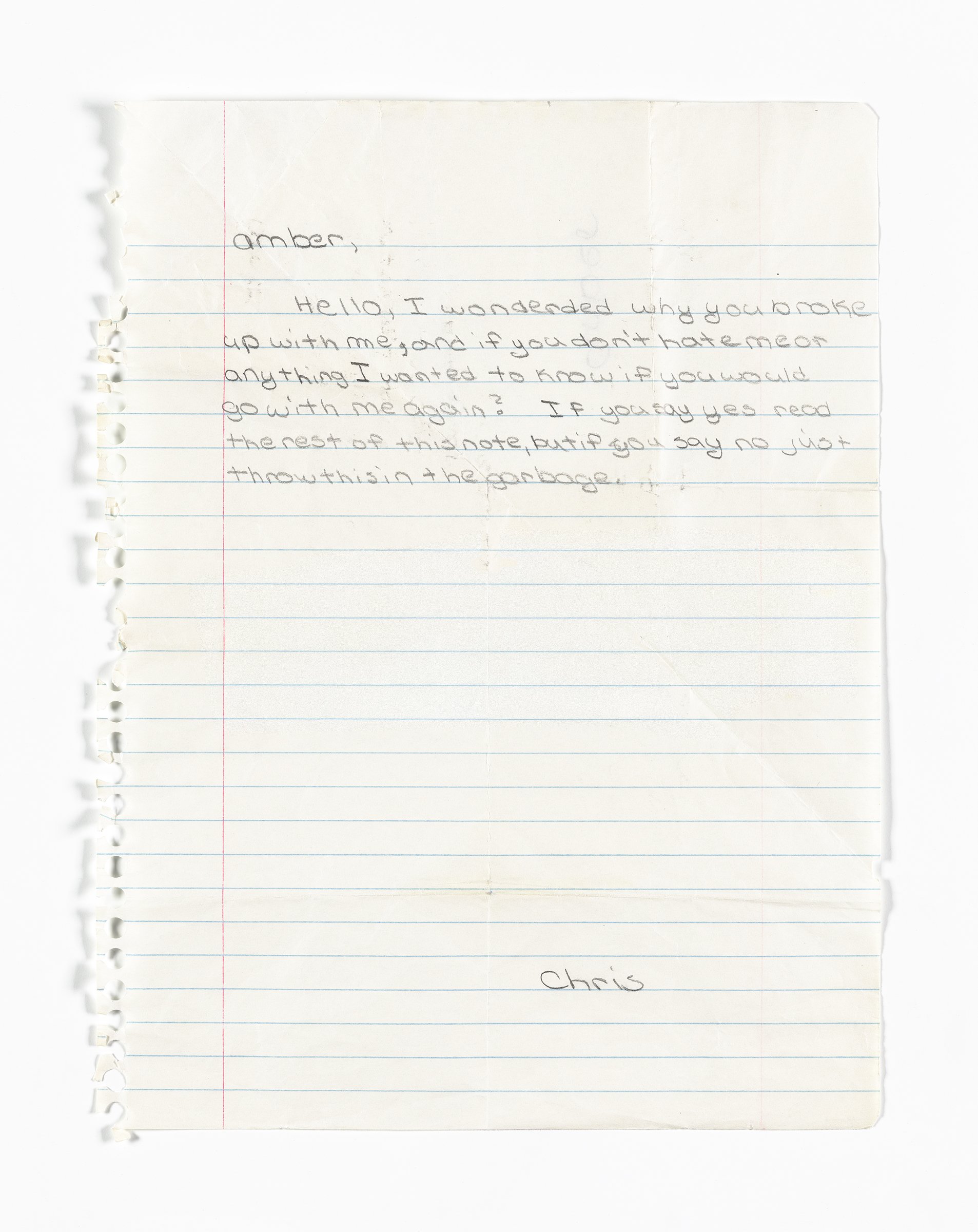
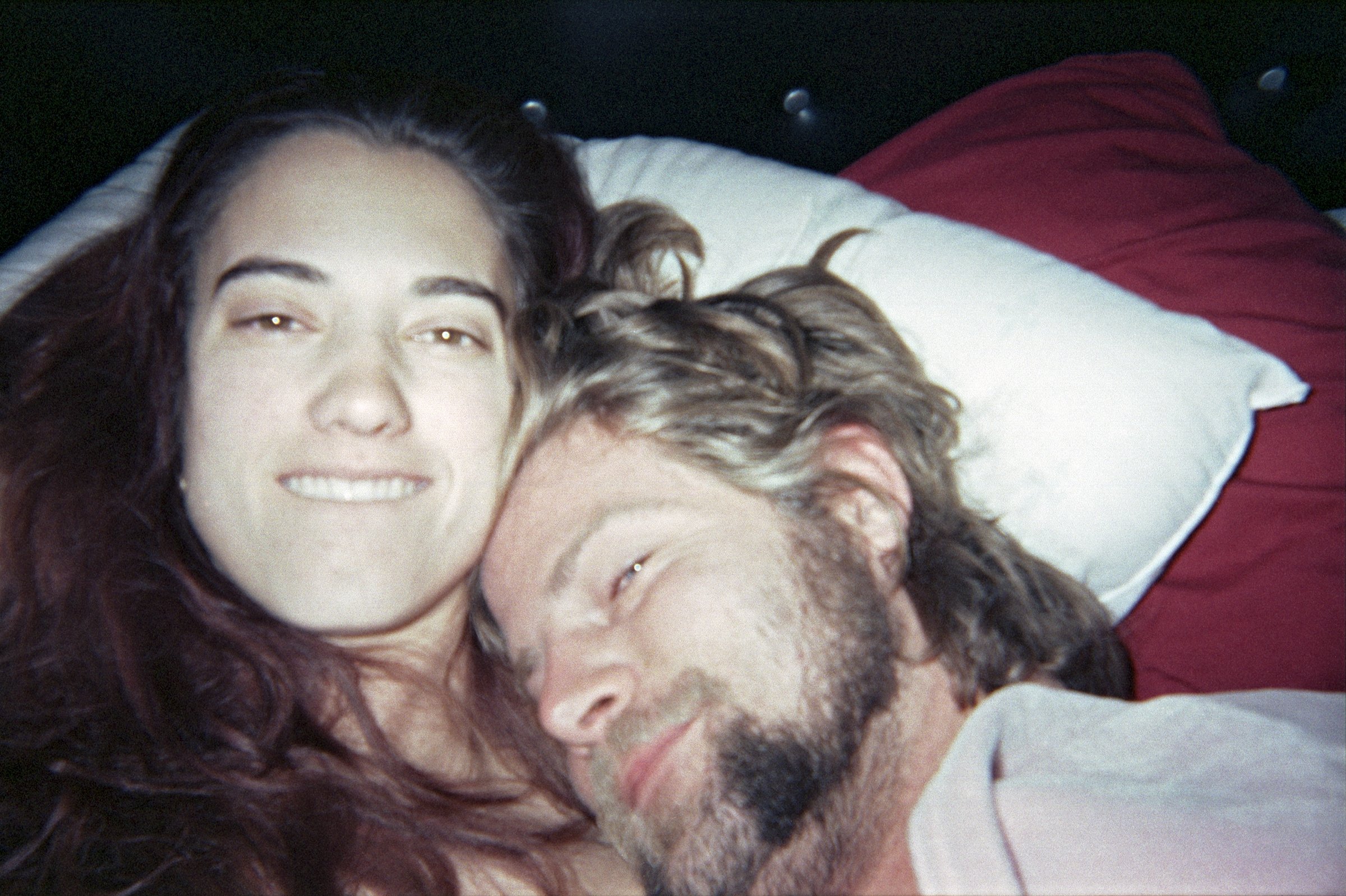
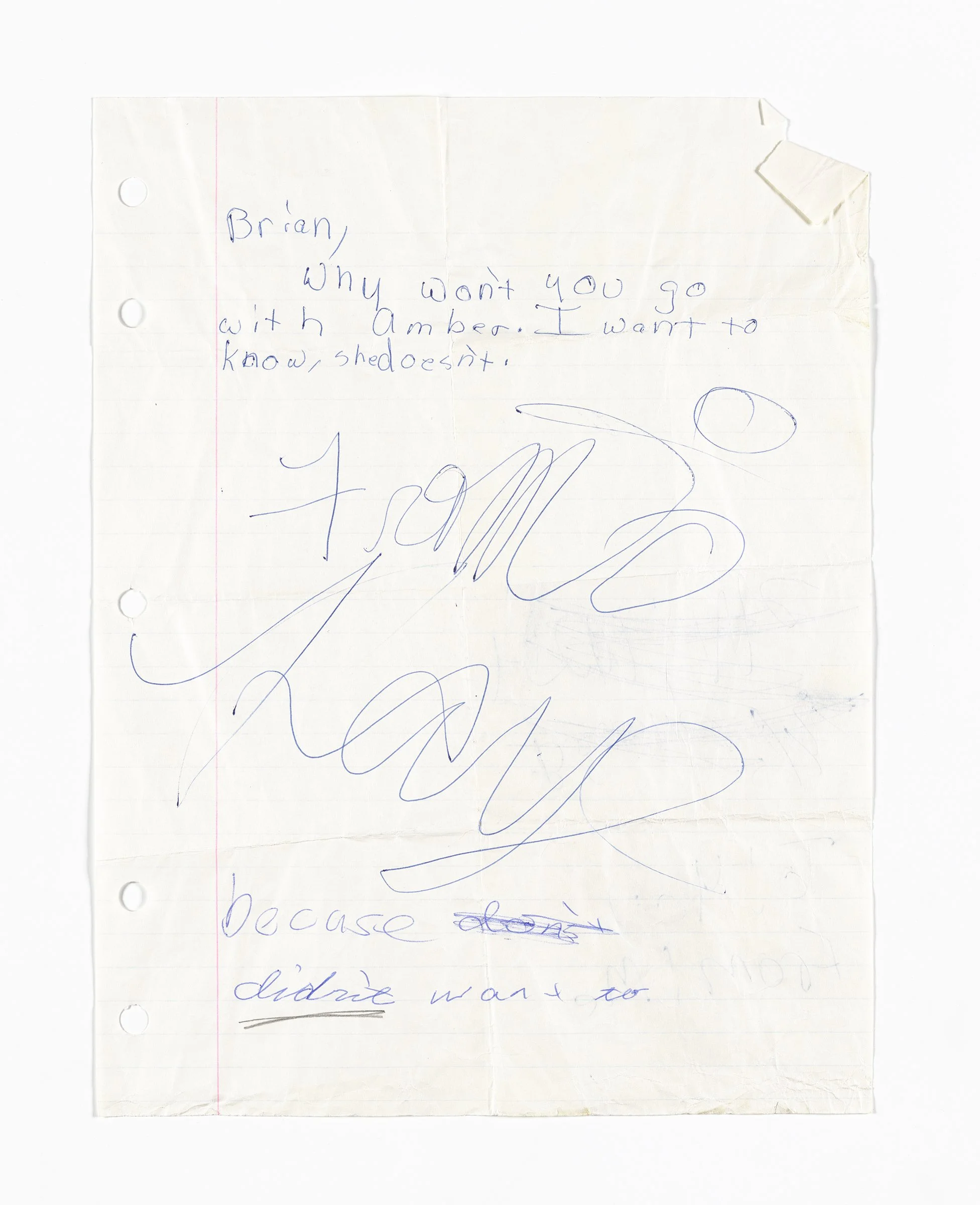
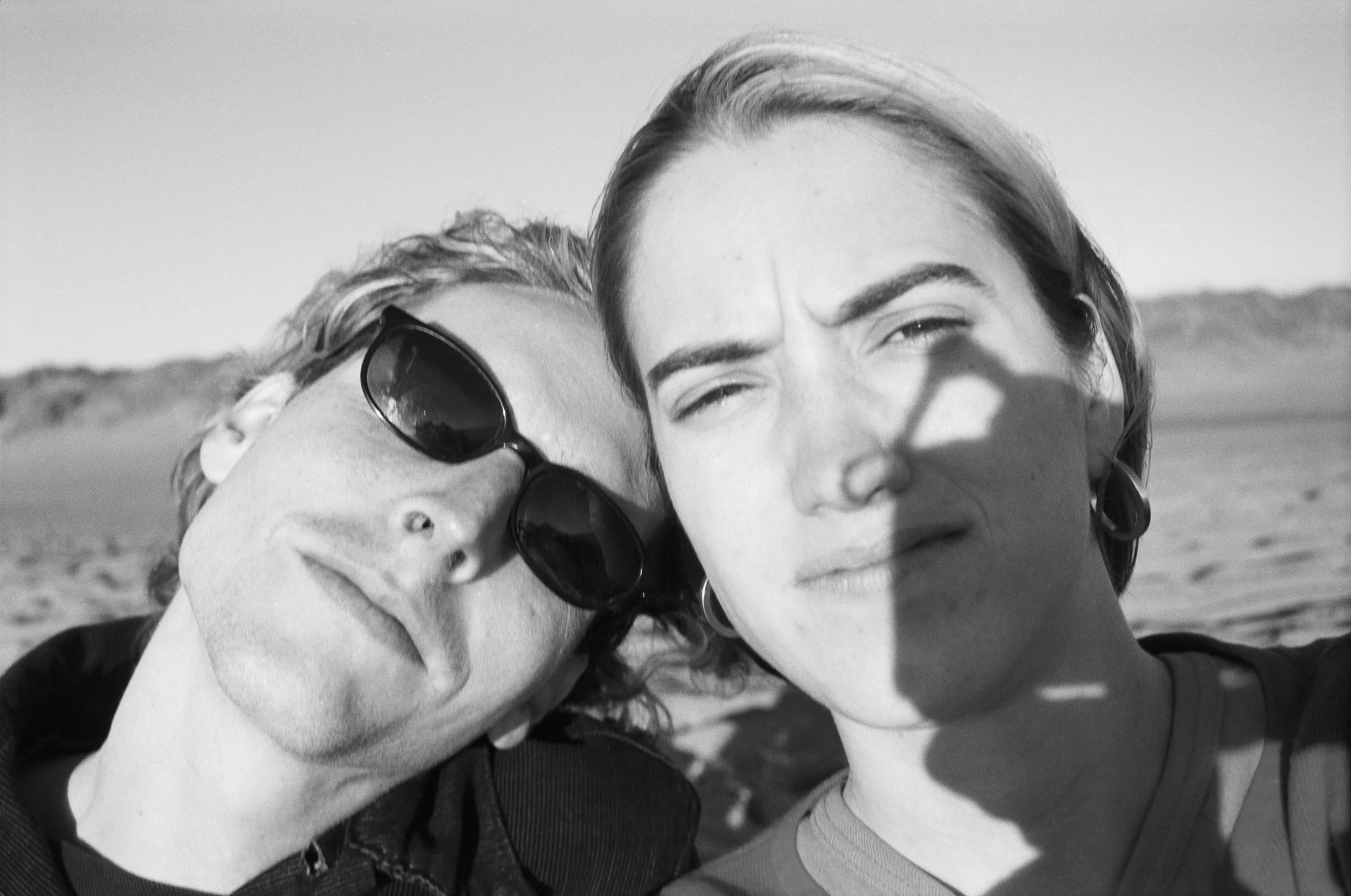
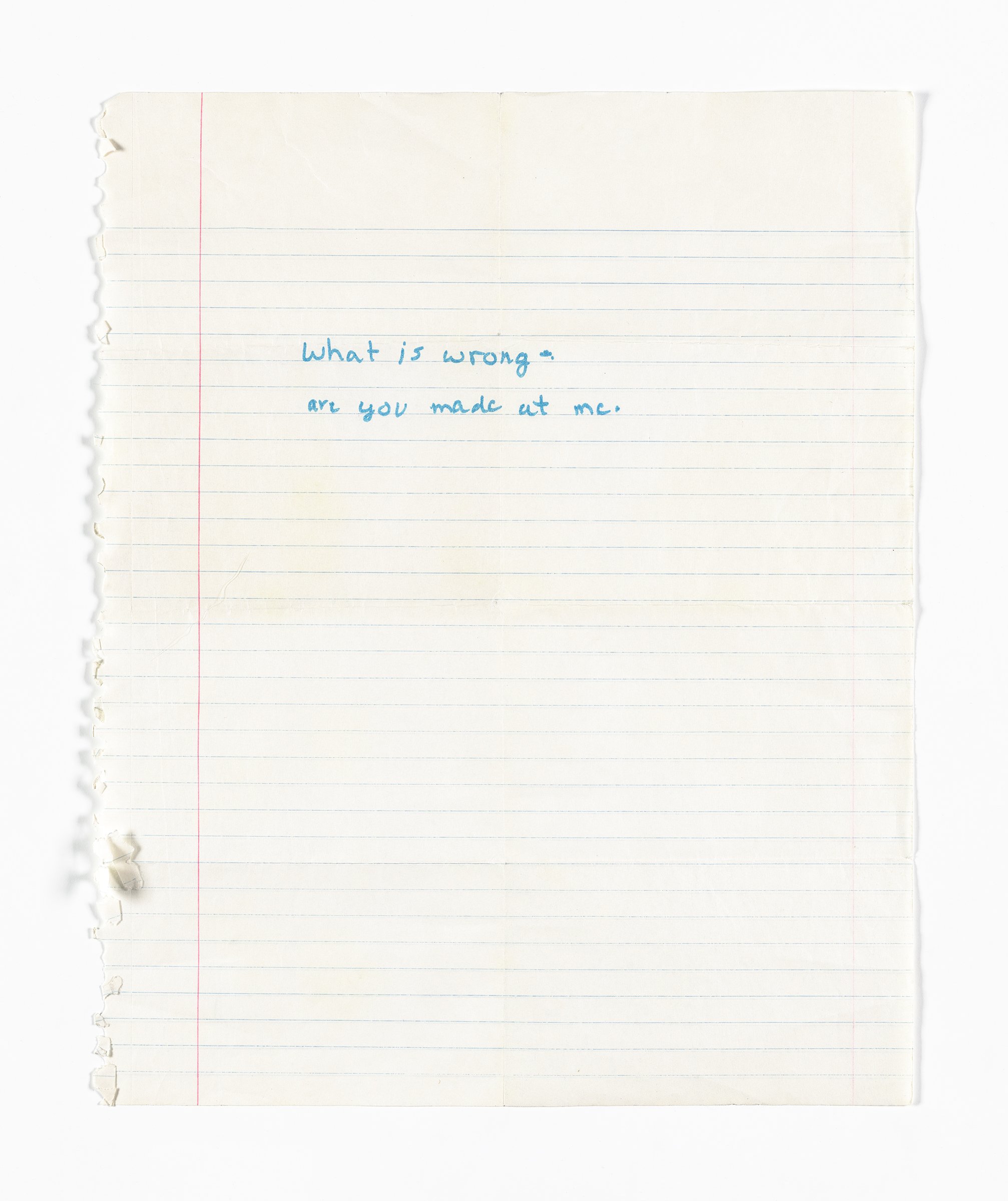
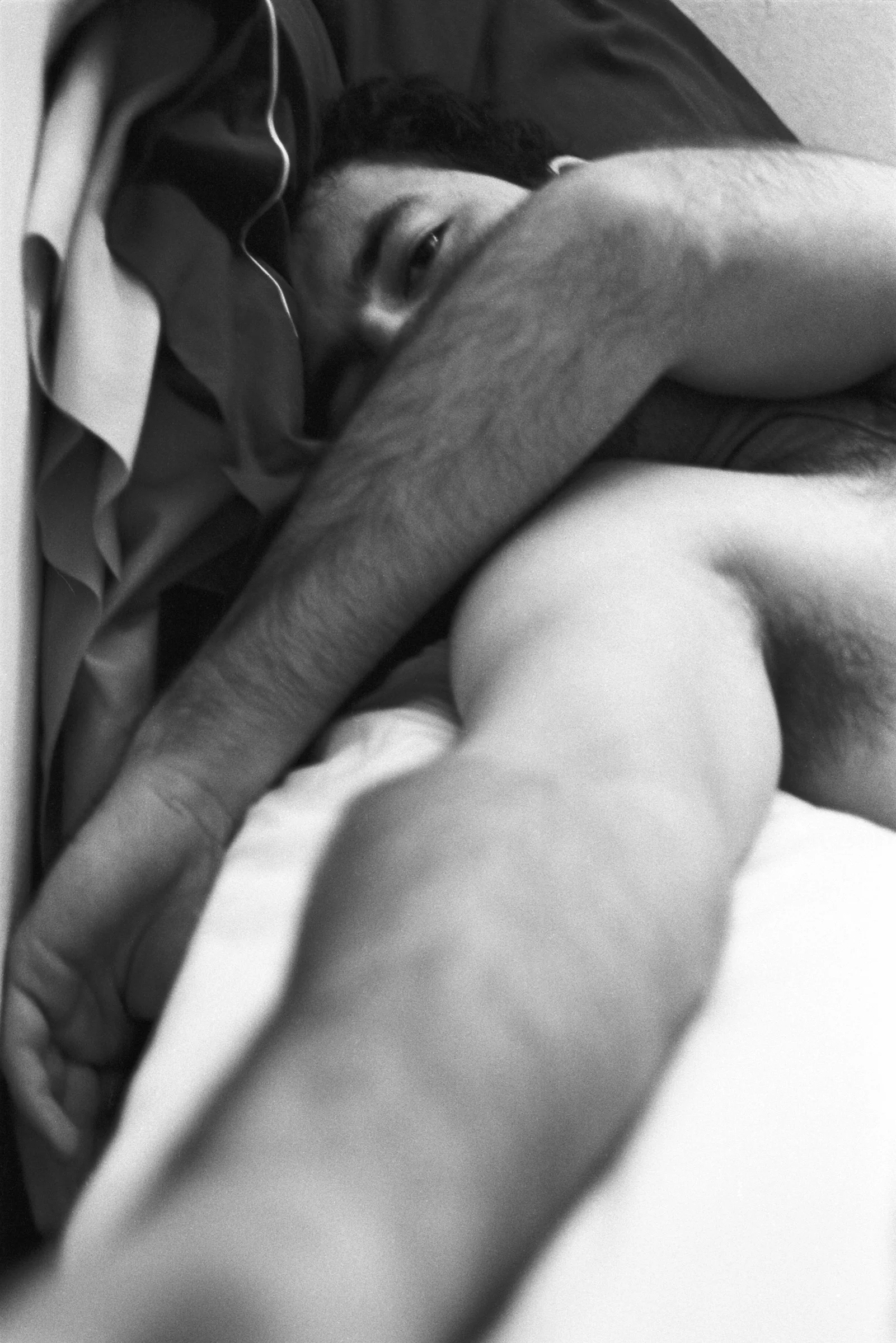
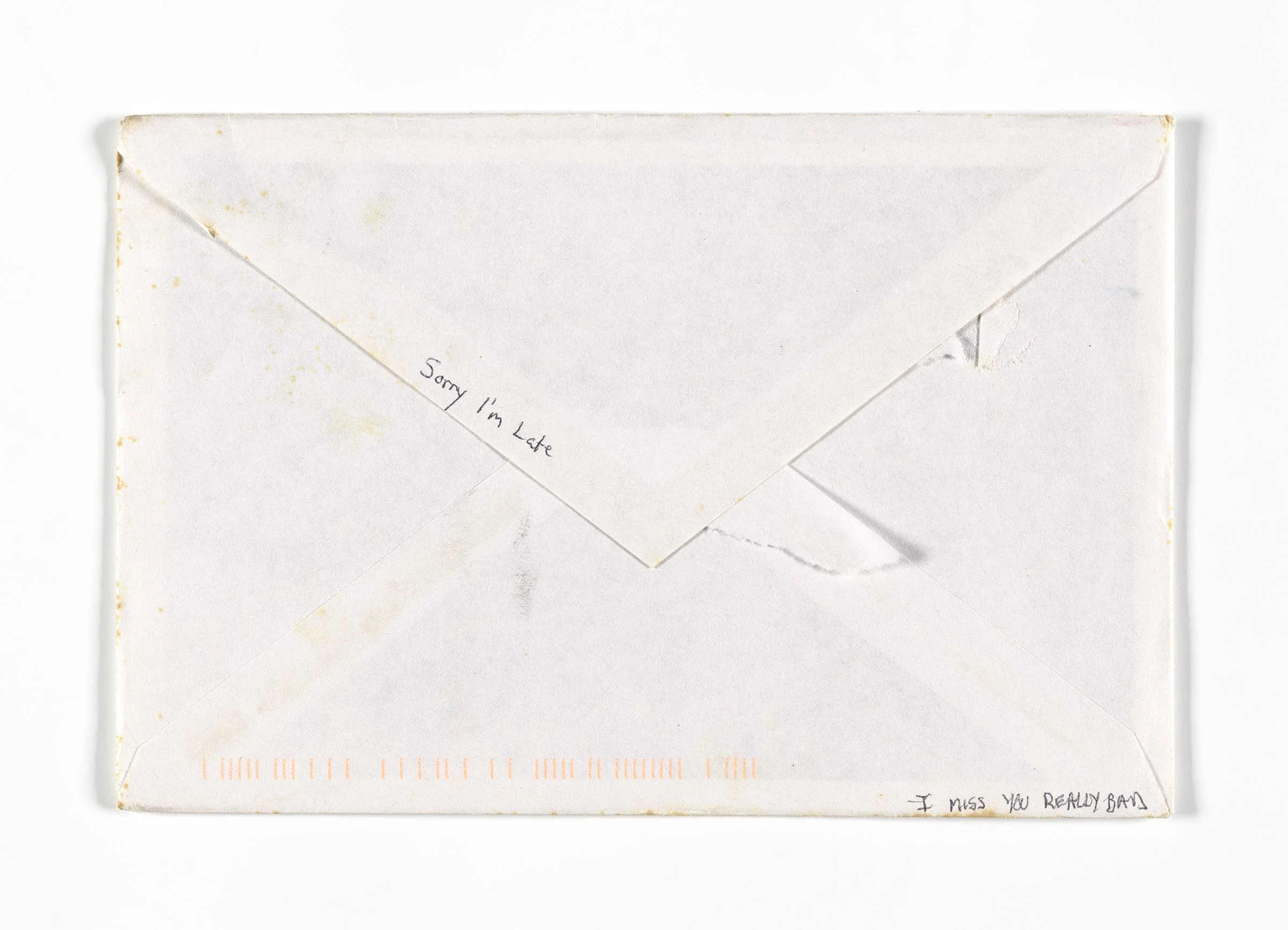
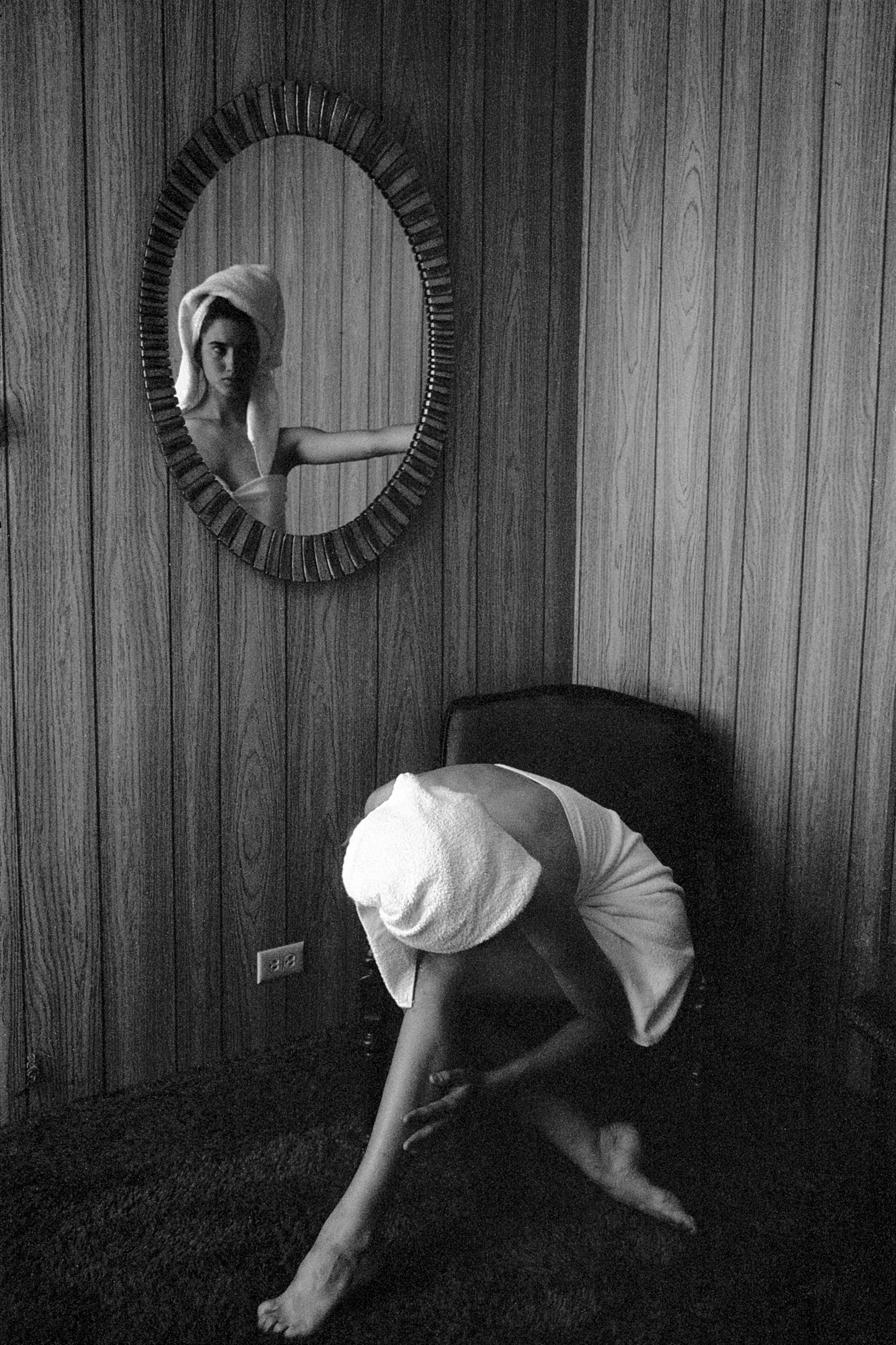
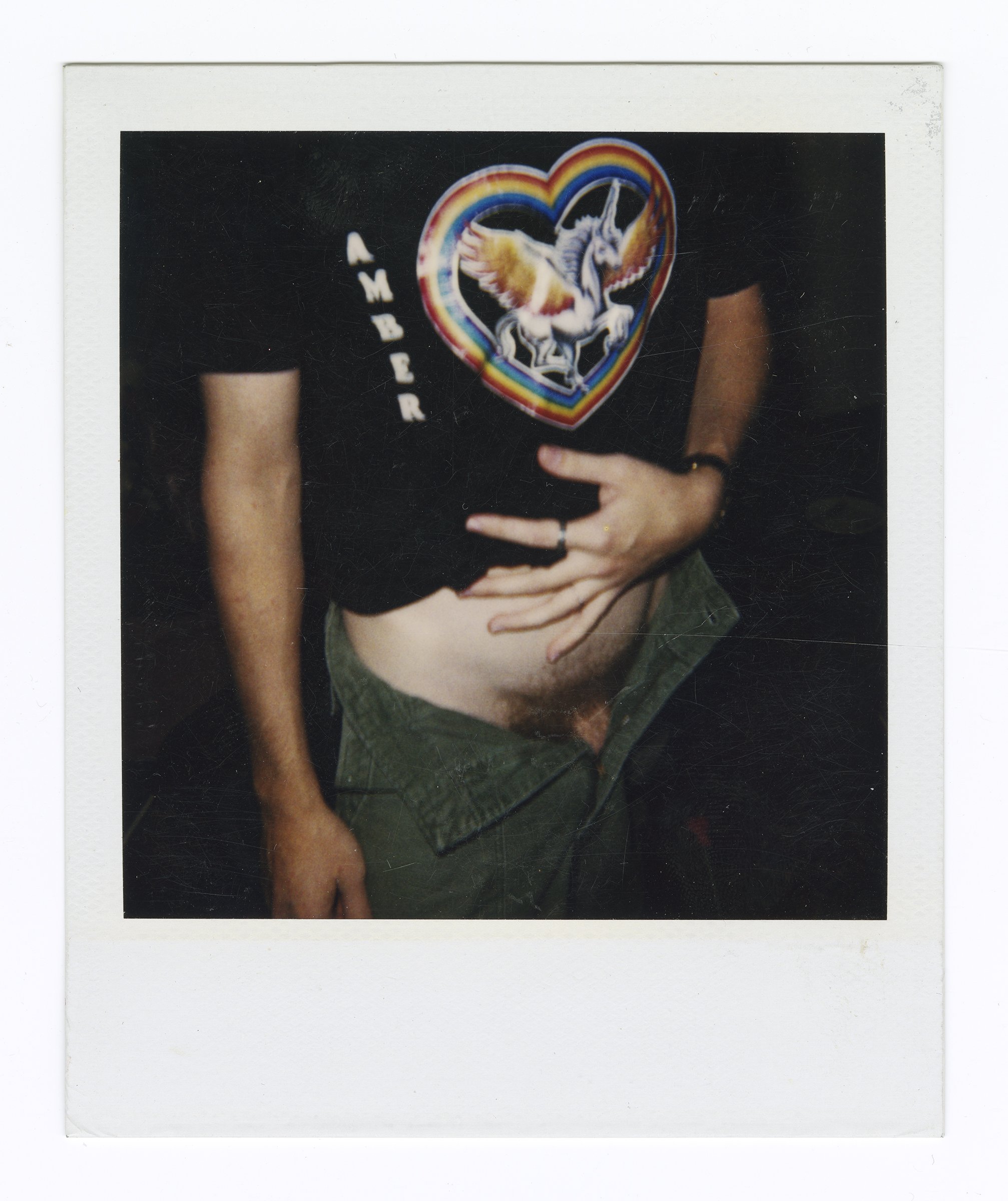
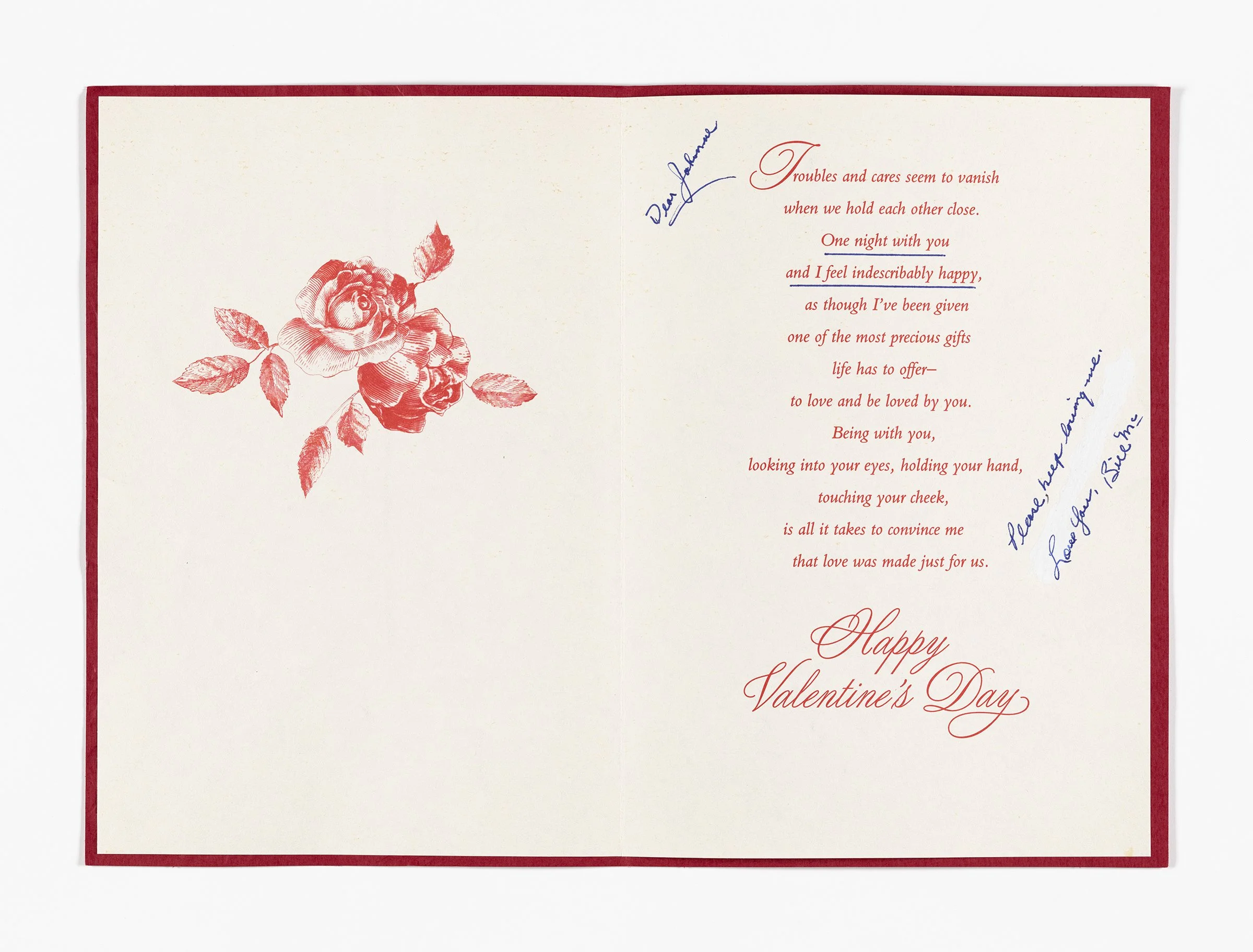
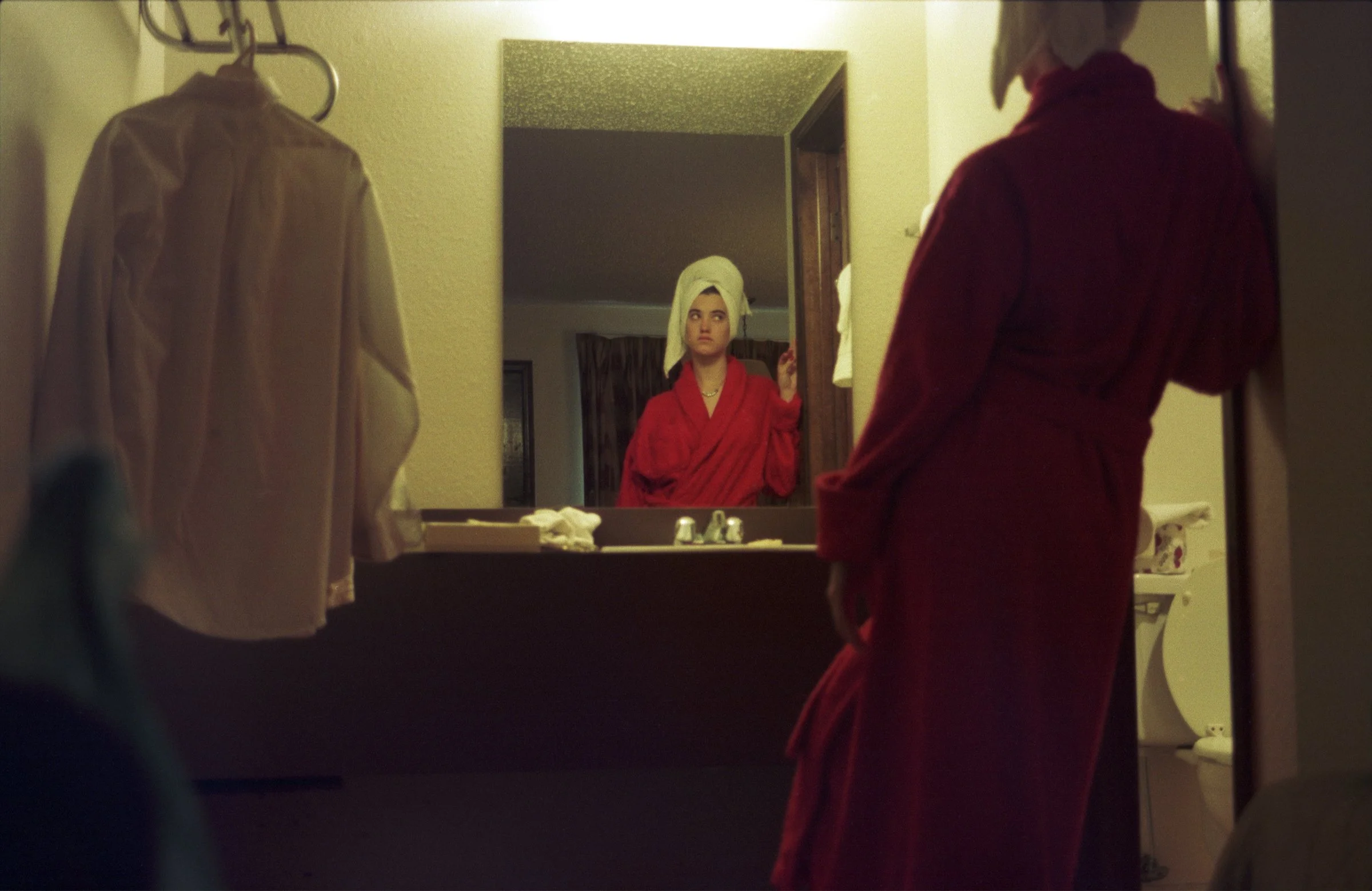
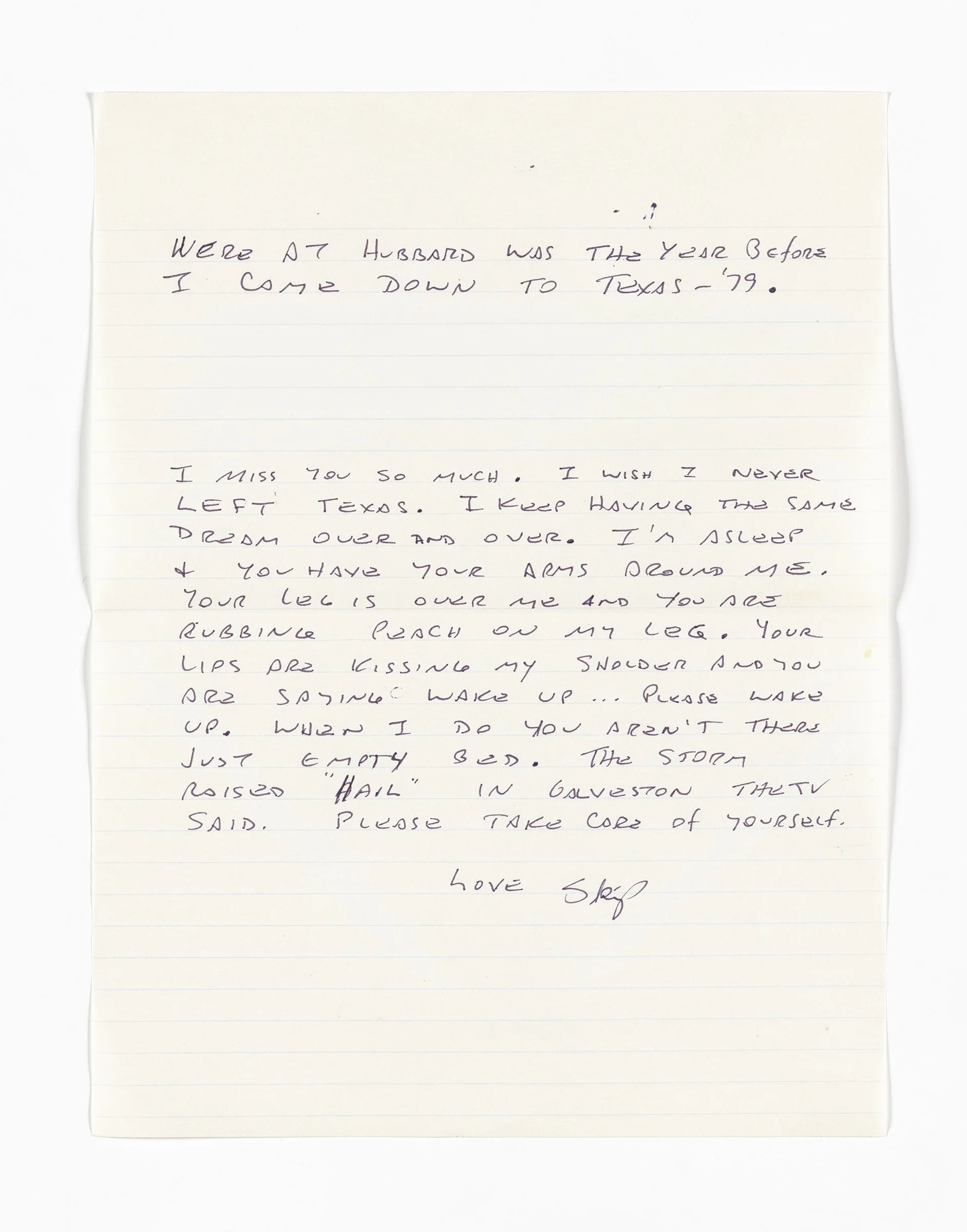
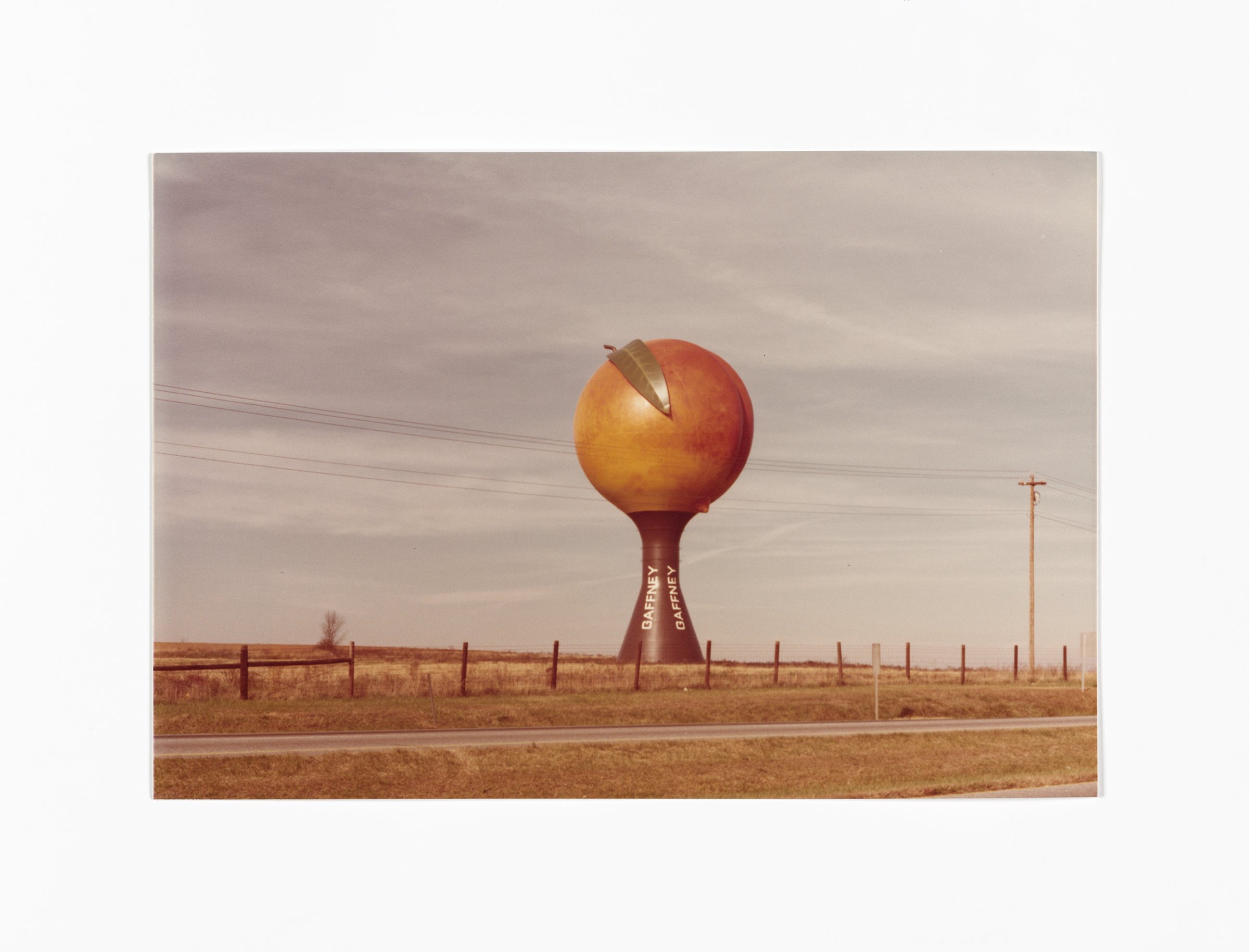
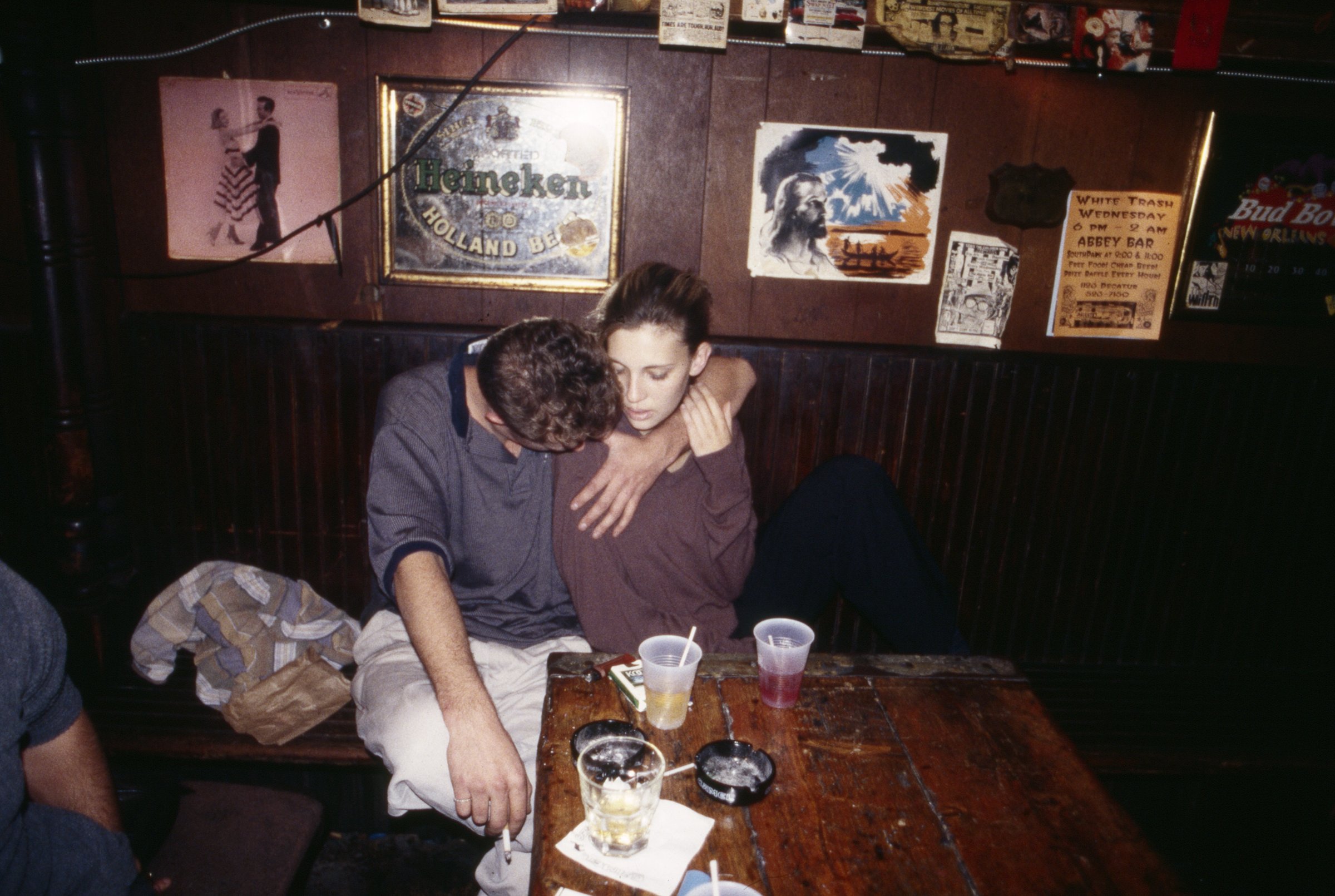
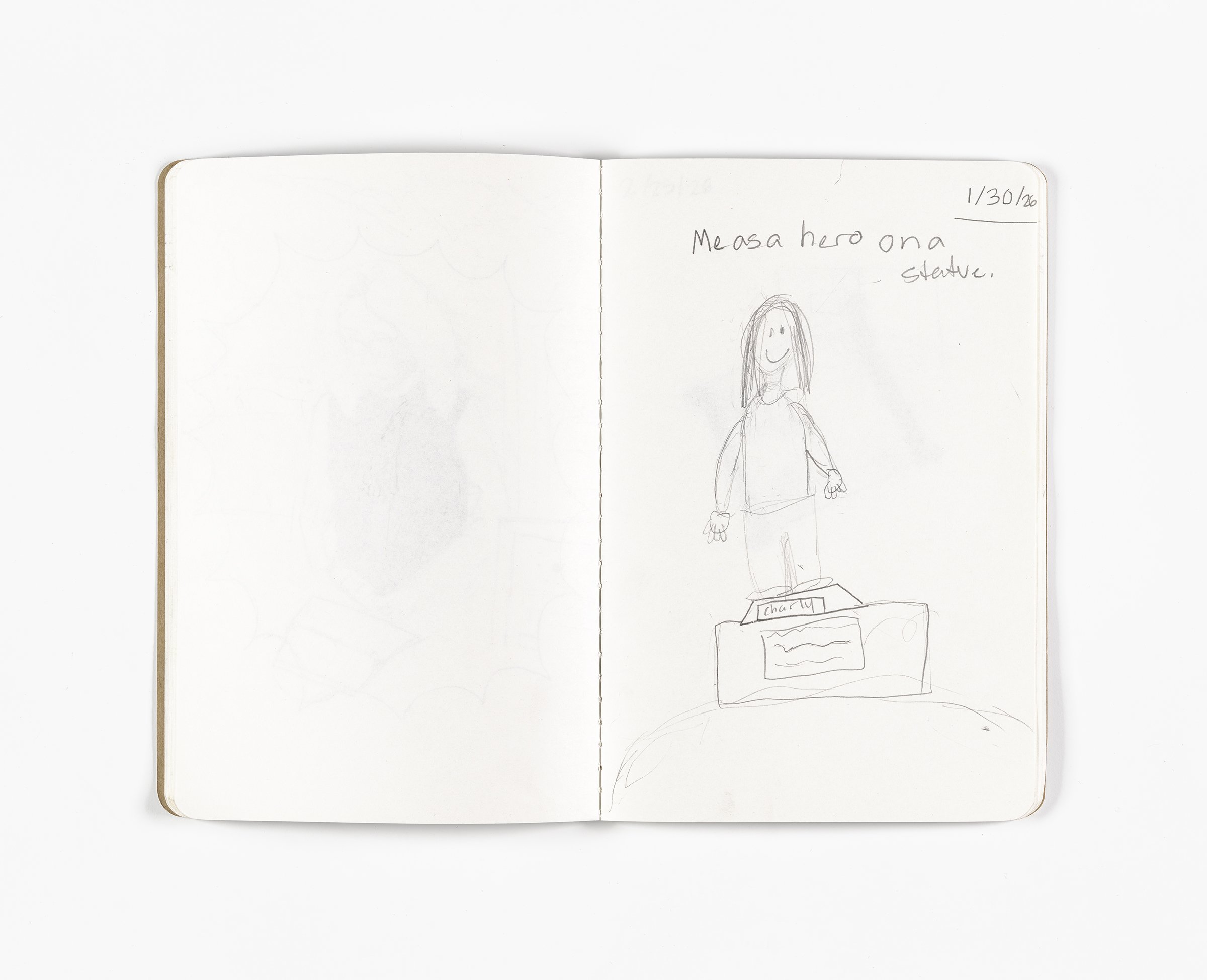
Wifman traces this inheritance through the things that we save: snapshots, wedding photos, newborn portraits, diaries, notes passed in class, handwritten love letters, greeting cards, and legal documents spanning three generations. These items appear ordinary, but together they form a visual archive of what women are taught to desire, expected to become, and conditioned to repeat. Interwoven are three decades of self-portraits, chronicling my journey into womanhood and asking where inheritance gives way to choice. Seeking a heterosexual relationship, the pursuit of a mate becomes even more complex, as these influences intersect with longstanding gender roles and unequal systems of power. Intimacy brings vulnerability, and the desire for love coexists with the risk of harm. Even within marriage, research suggests that women experience disadvantages to their health and longevity while men benefit greatly. With few roadmaps from previous generations, I navigated this paradoxical quest for love.
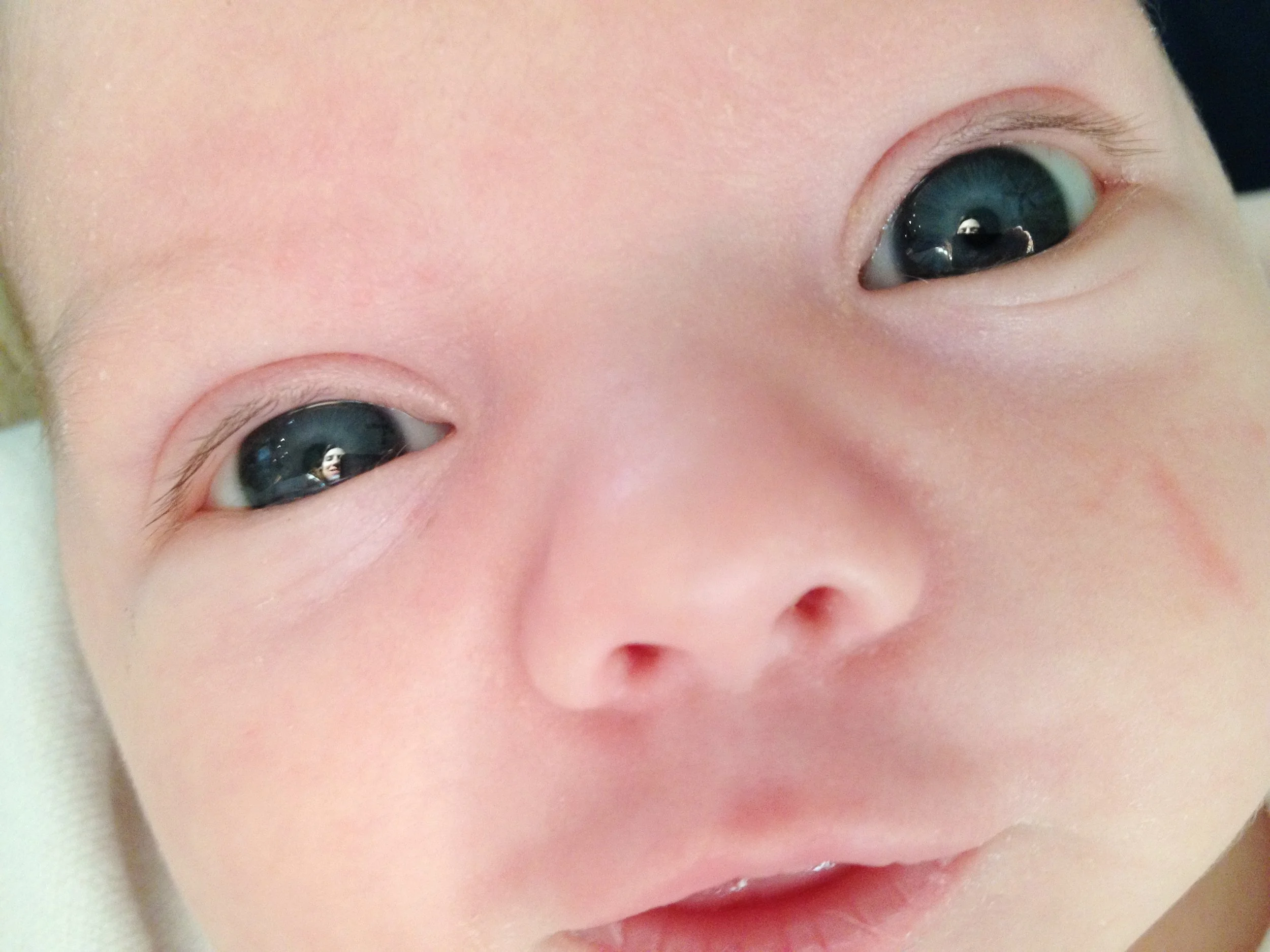
Wifman asks what women carry forward when they seek love and choose to become wives—and whether familiarity must become destiny. With the end of coverture laws, women are no longer compelled to marry for financial and social security, allowing space for generational patterns to shift. The future, at last, holds hope for new possibilities, even as we reckon with the lingering trauma of the past. Through my grandmother’s, mother’s, and my own lives, I examine inherited constraints and consider what I might pass on to my daughter.