WIFMAN
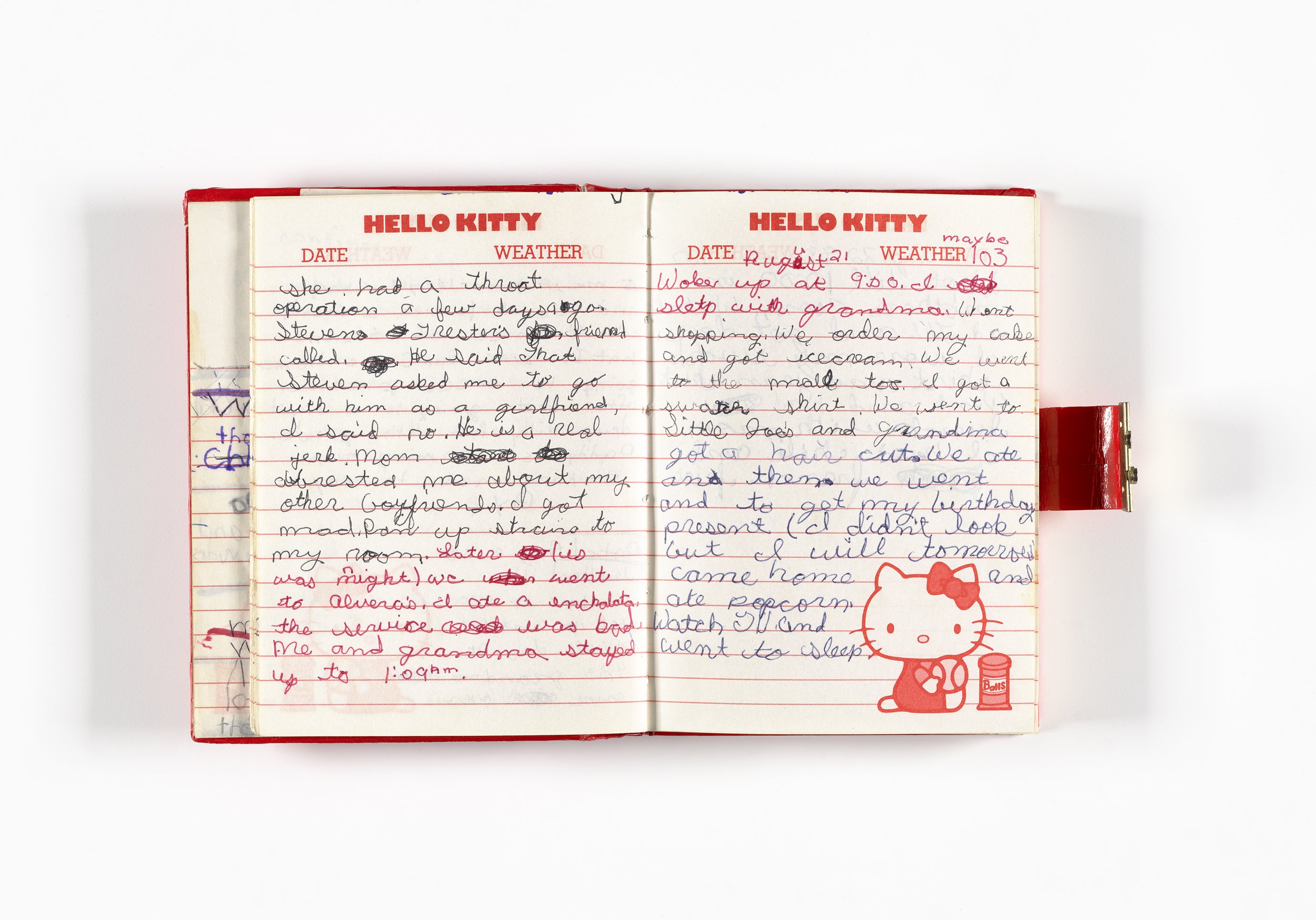
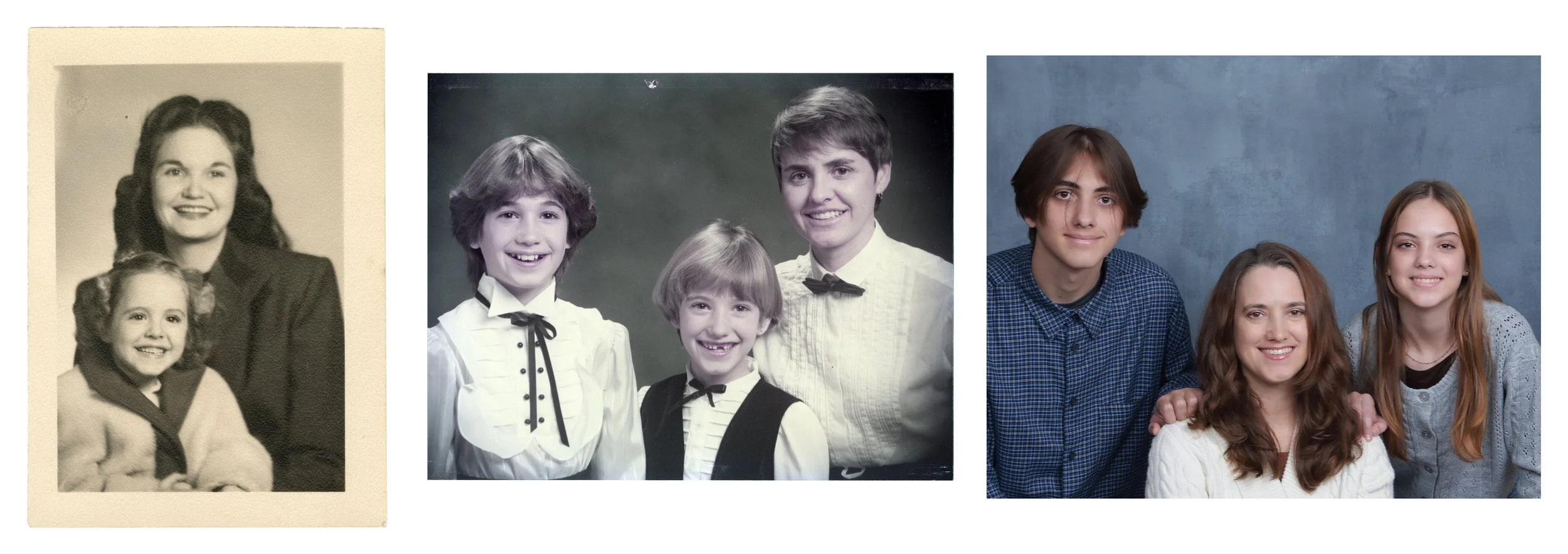
10th Birthday
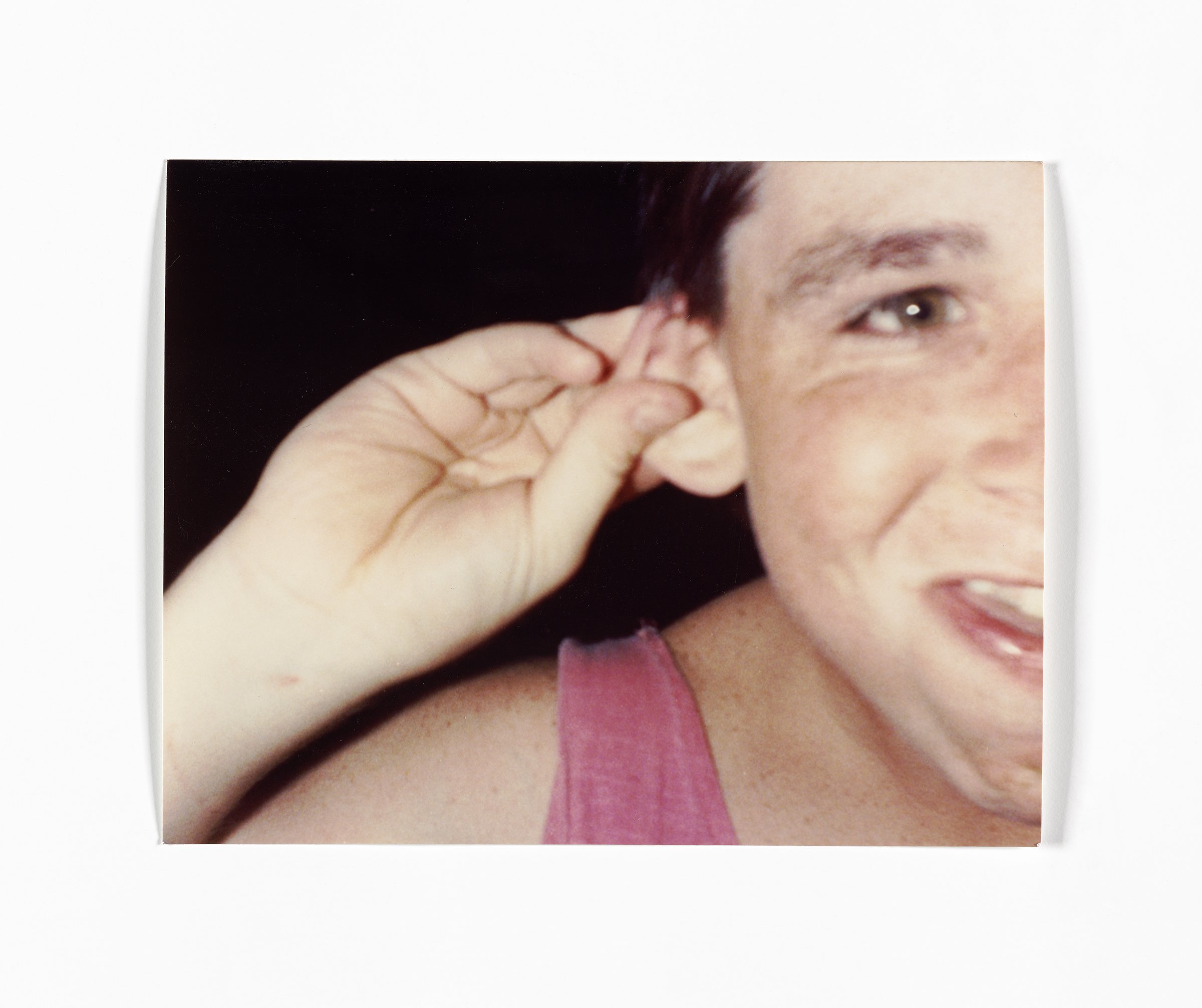
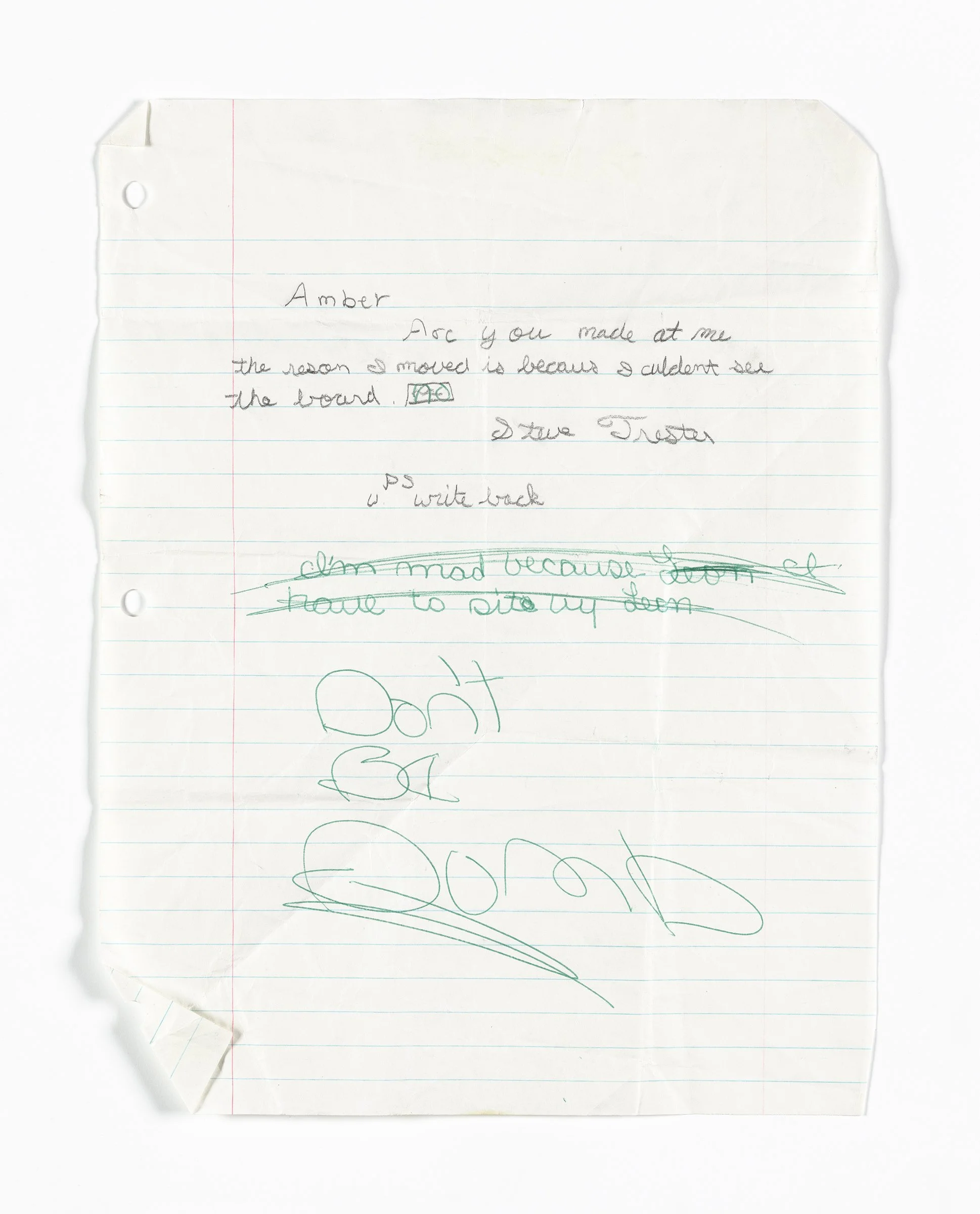
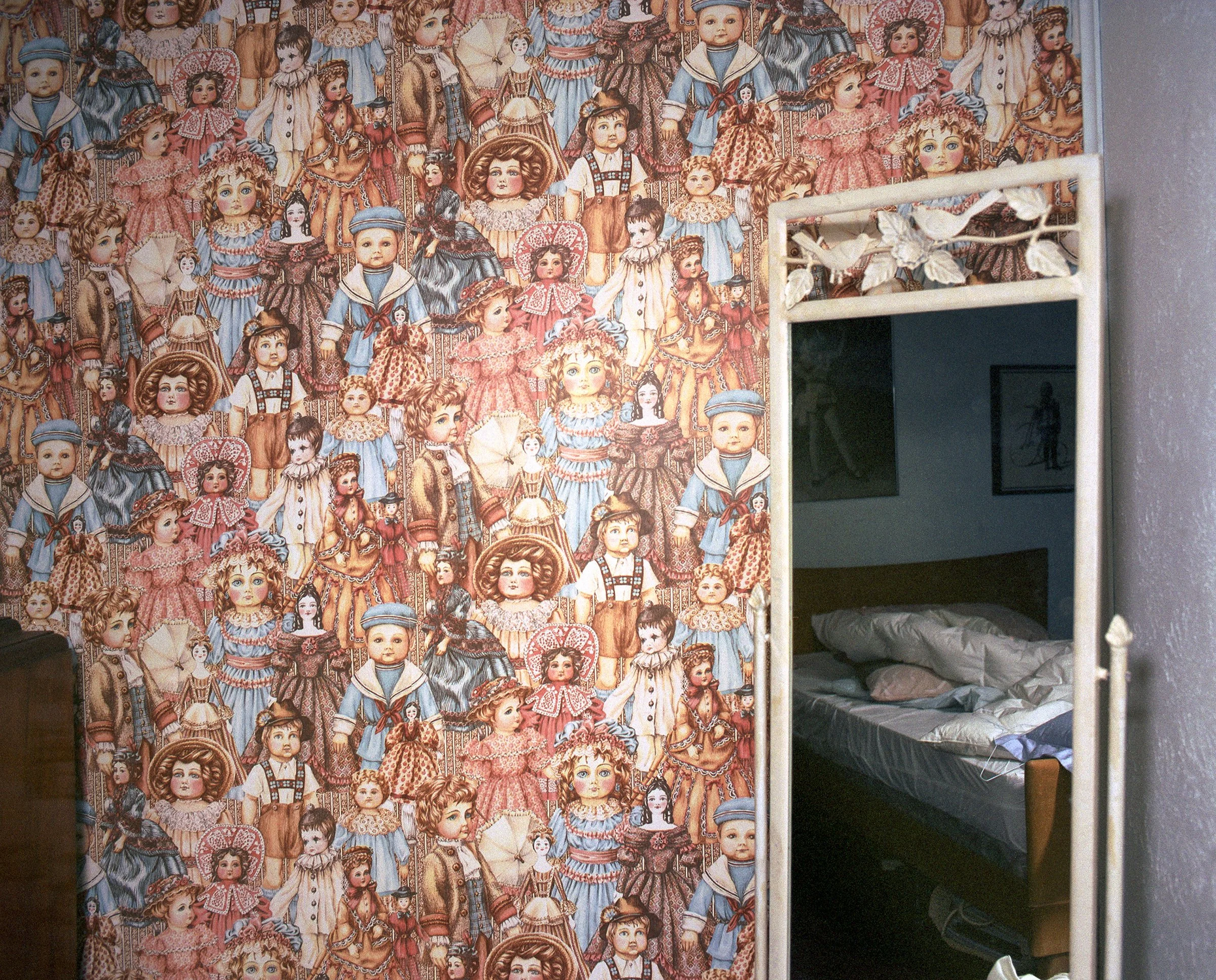
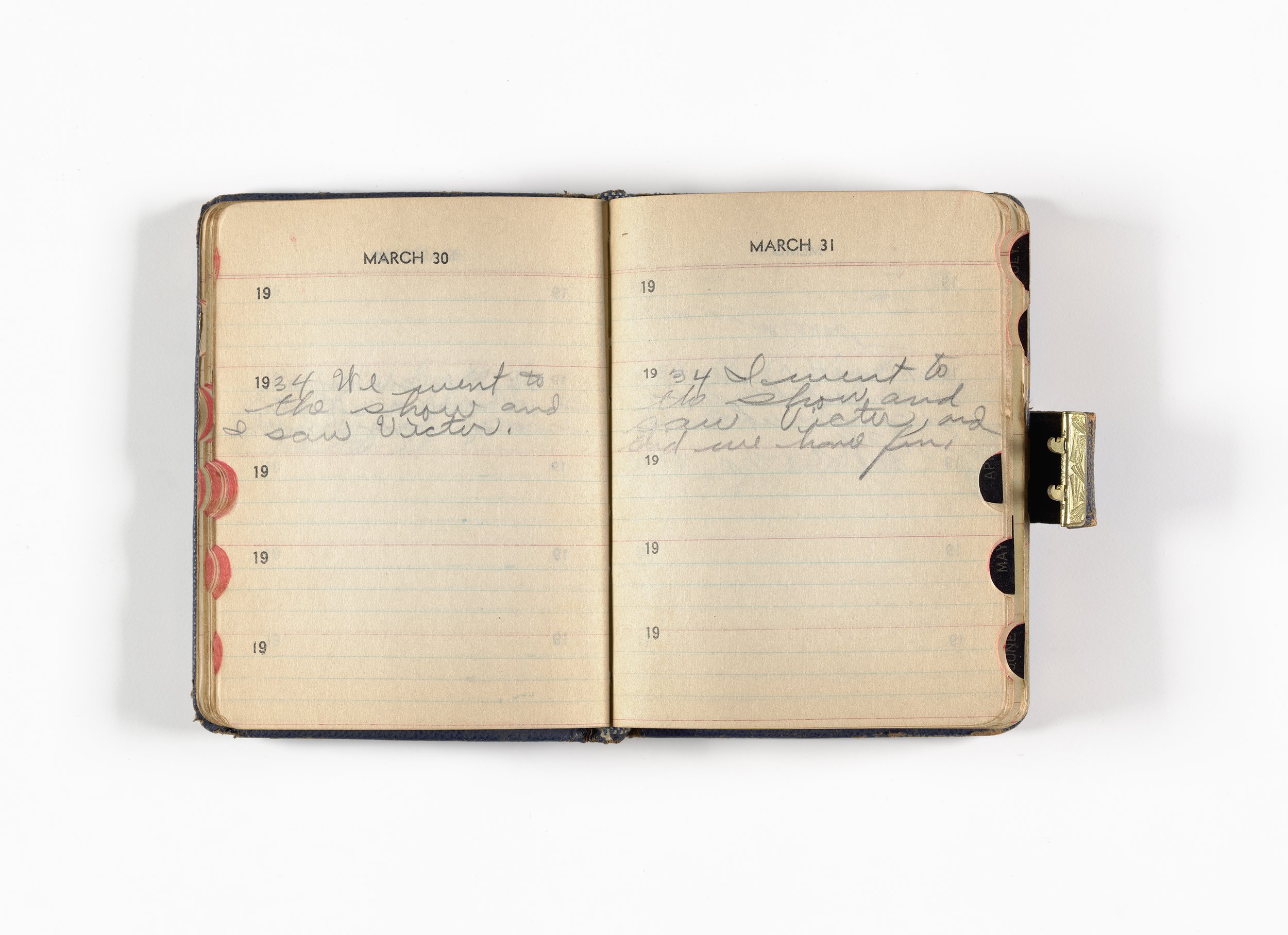
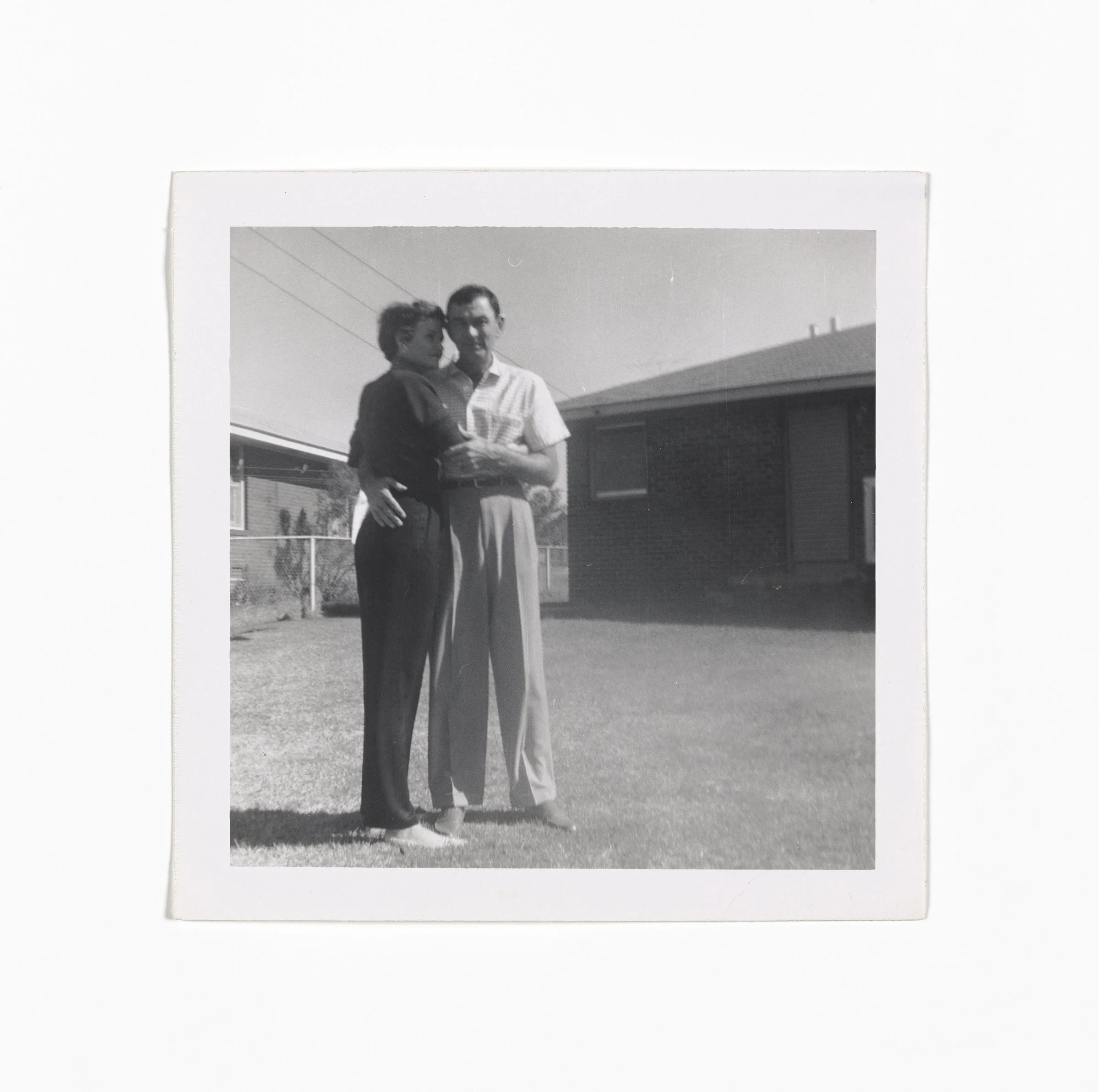
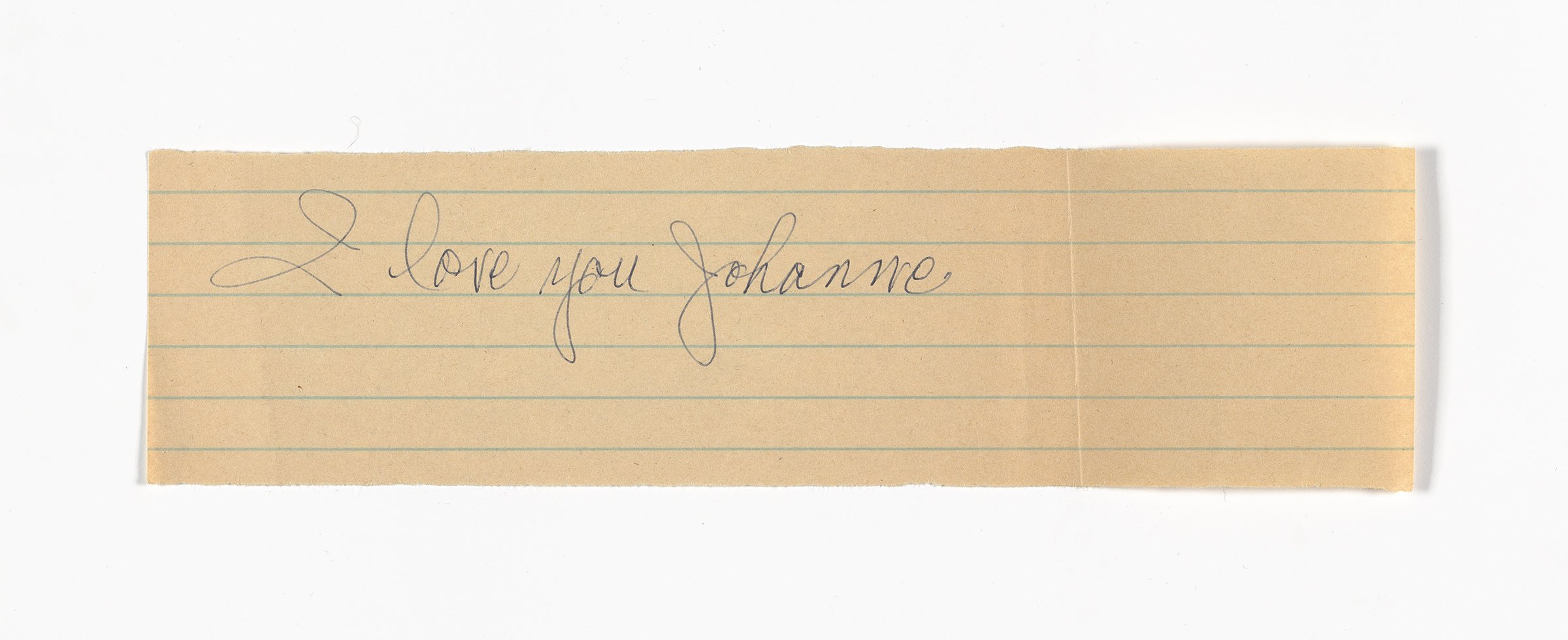
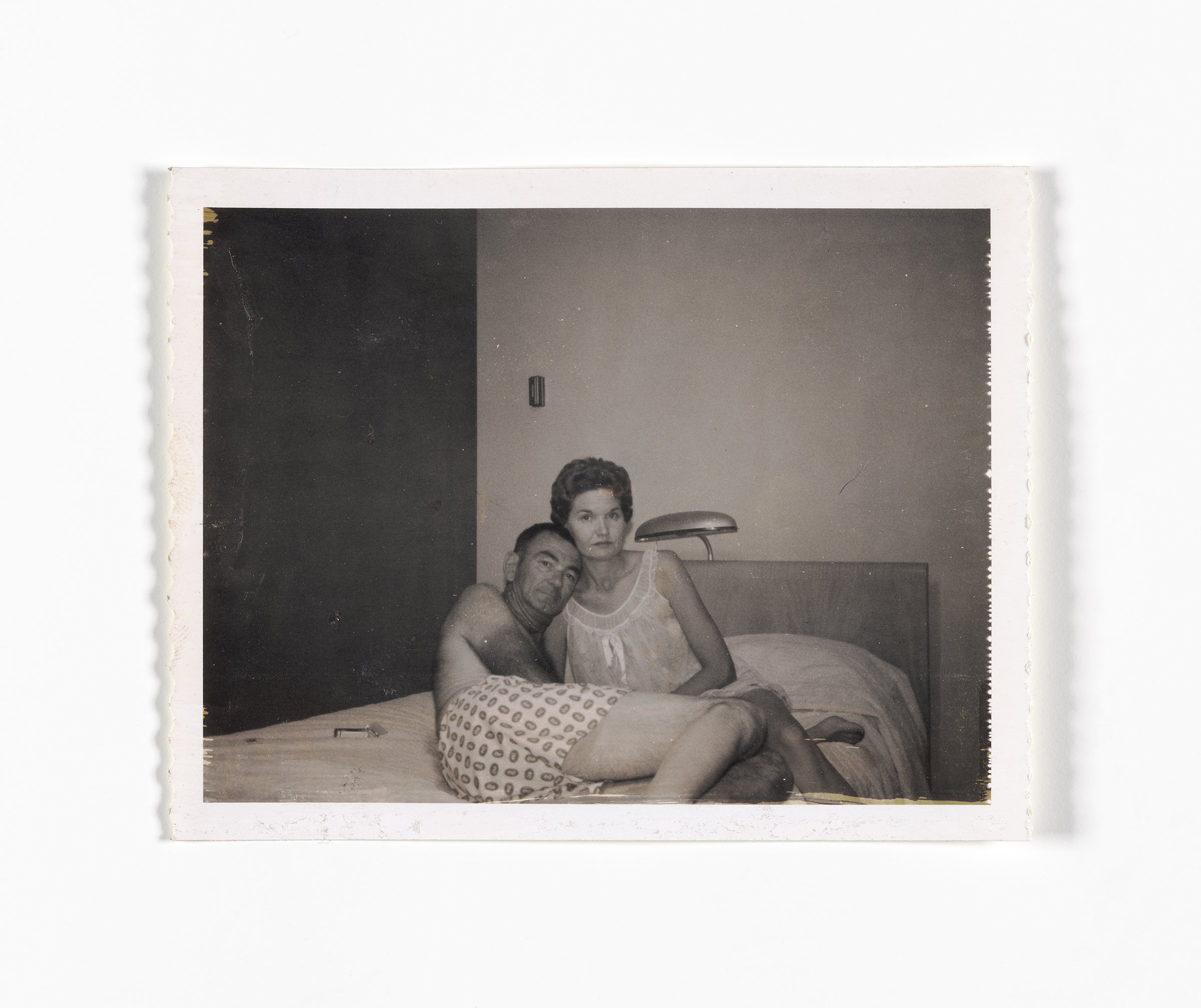
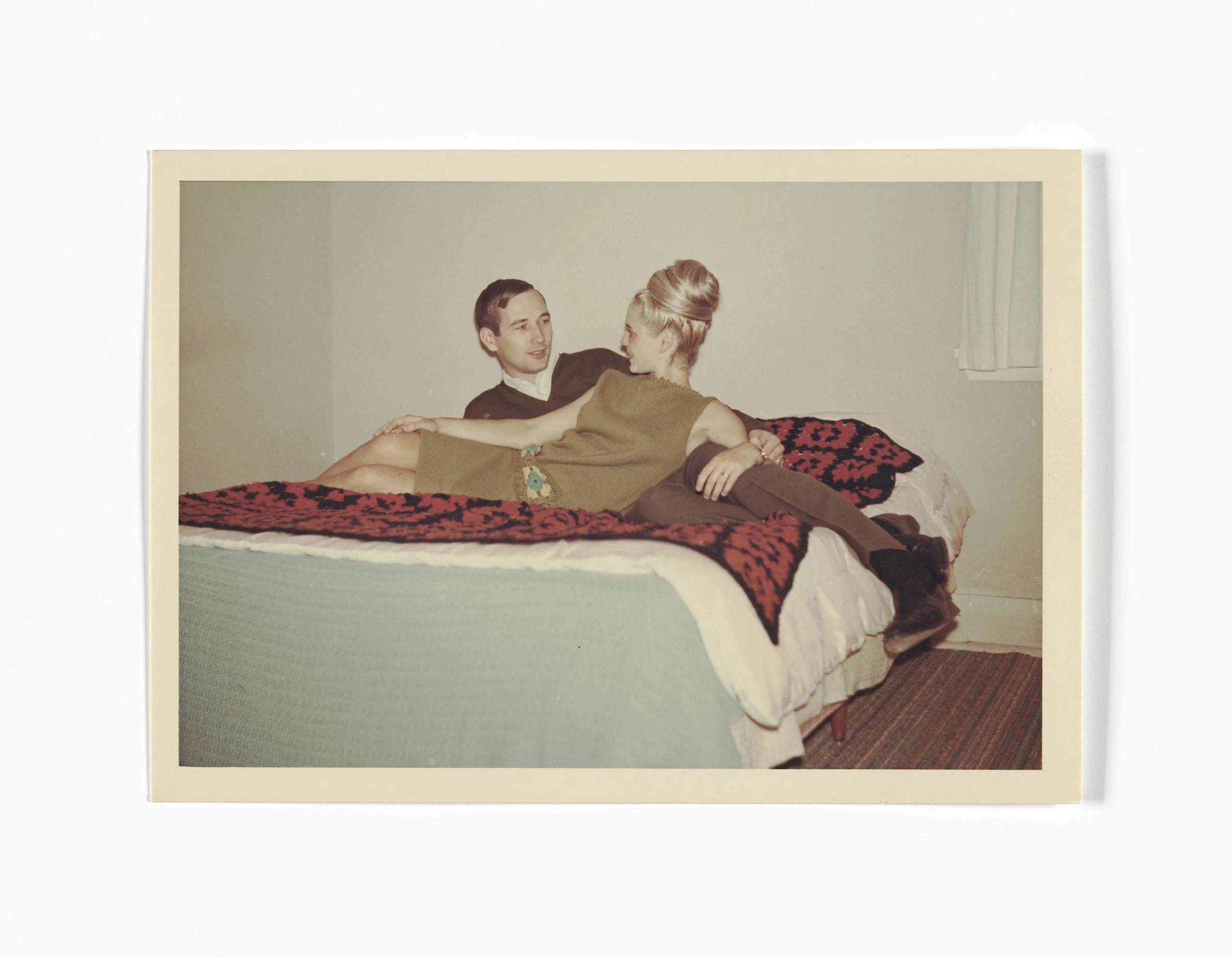
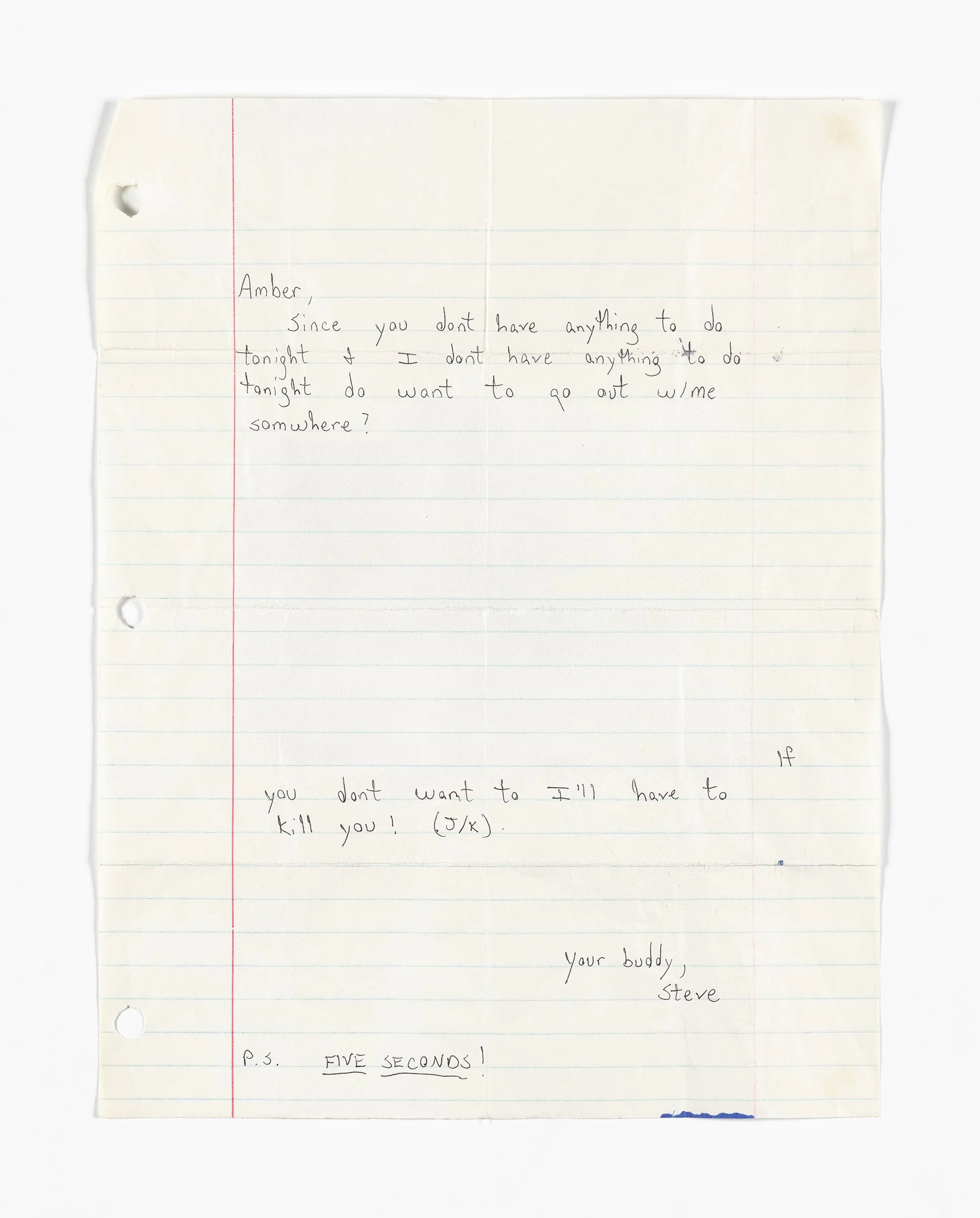

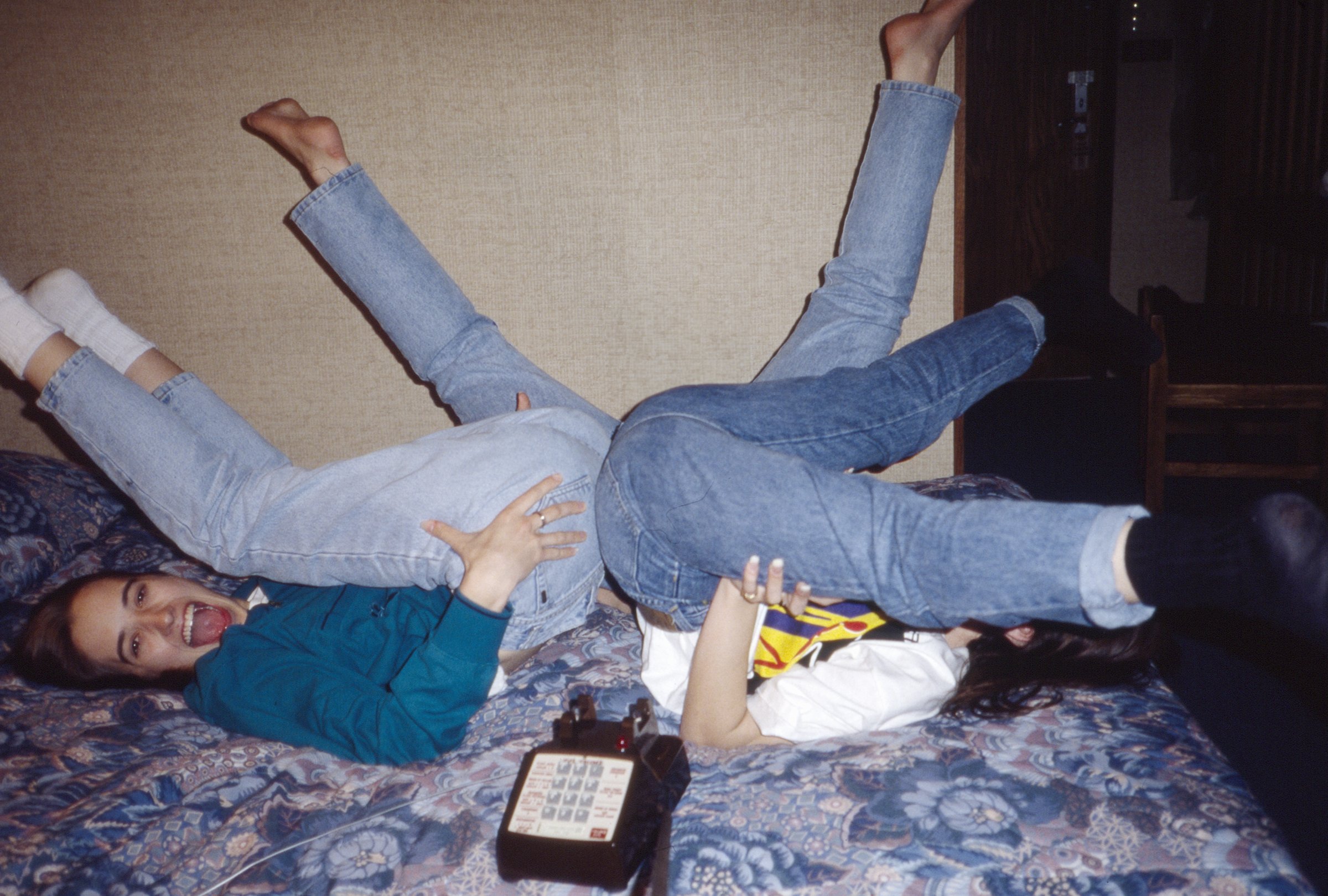
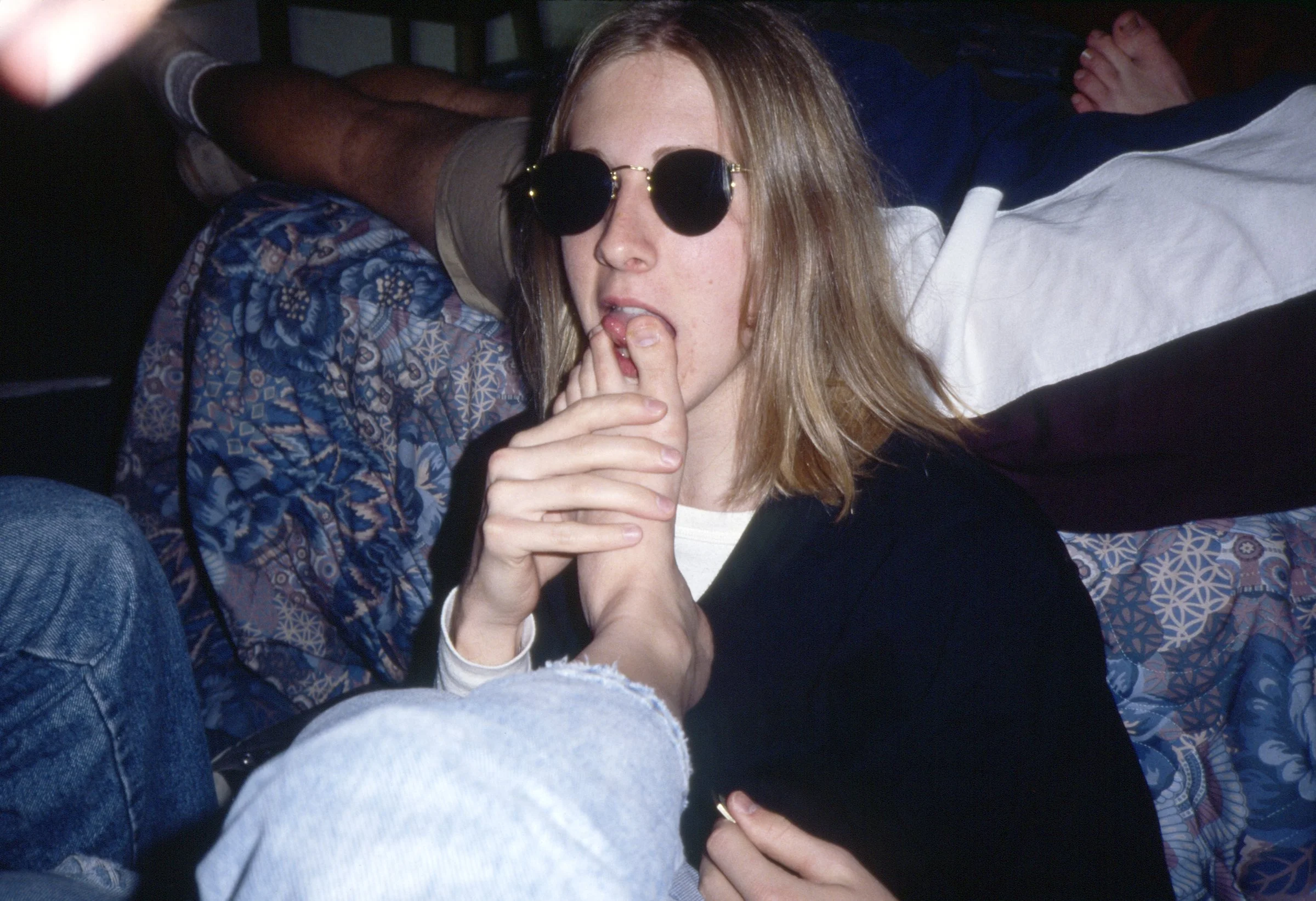
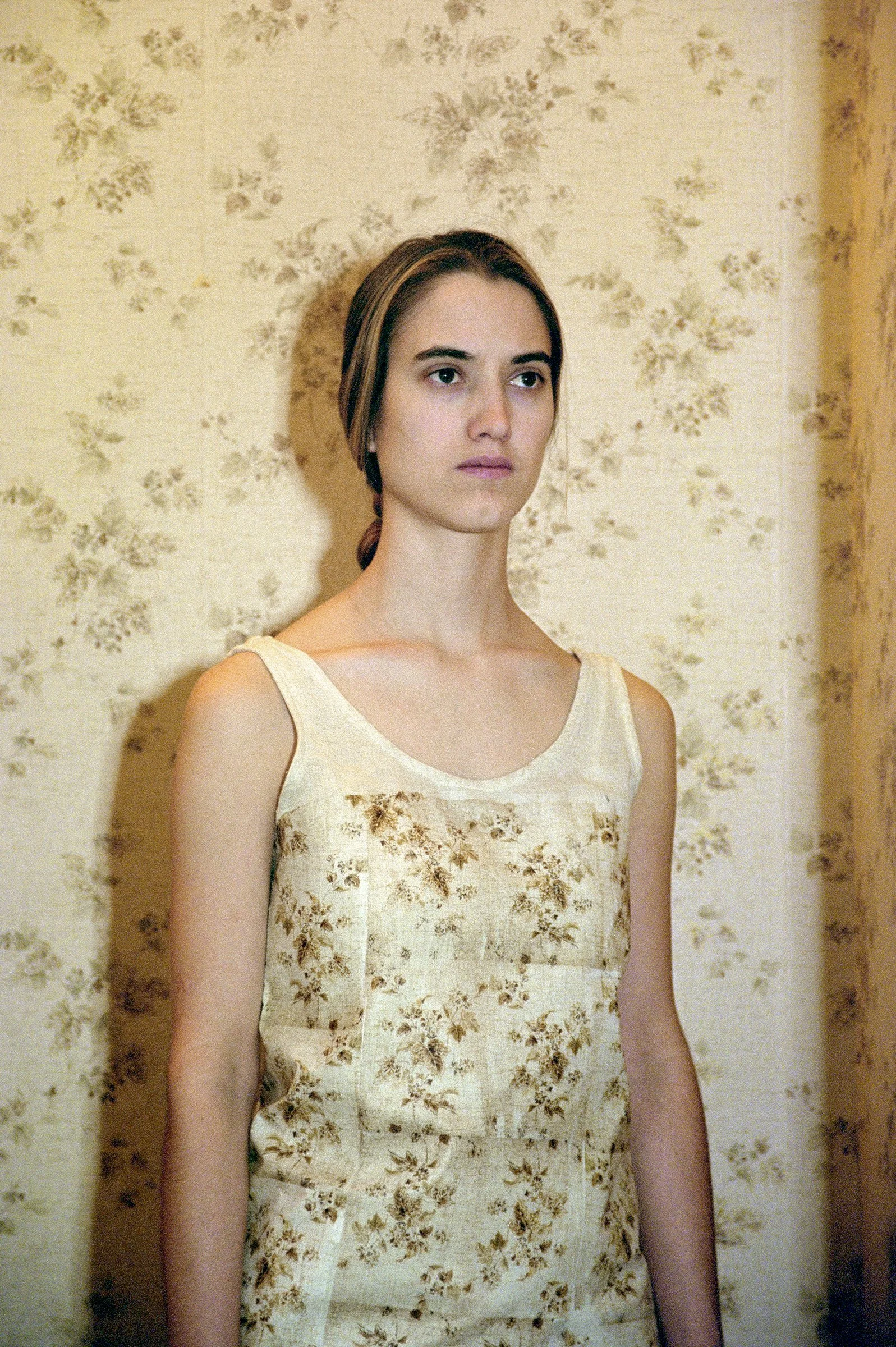

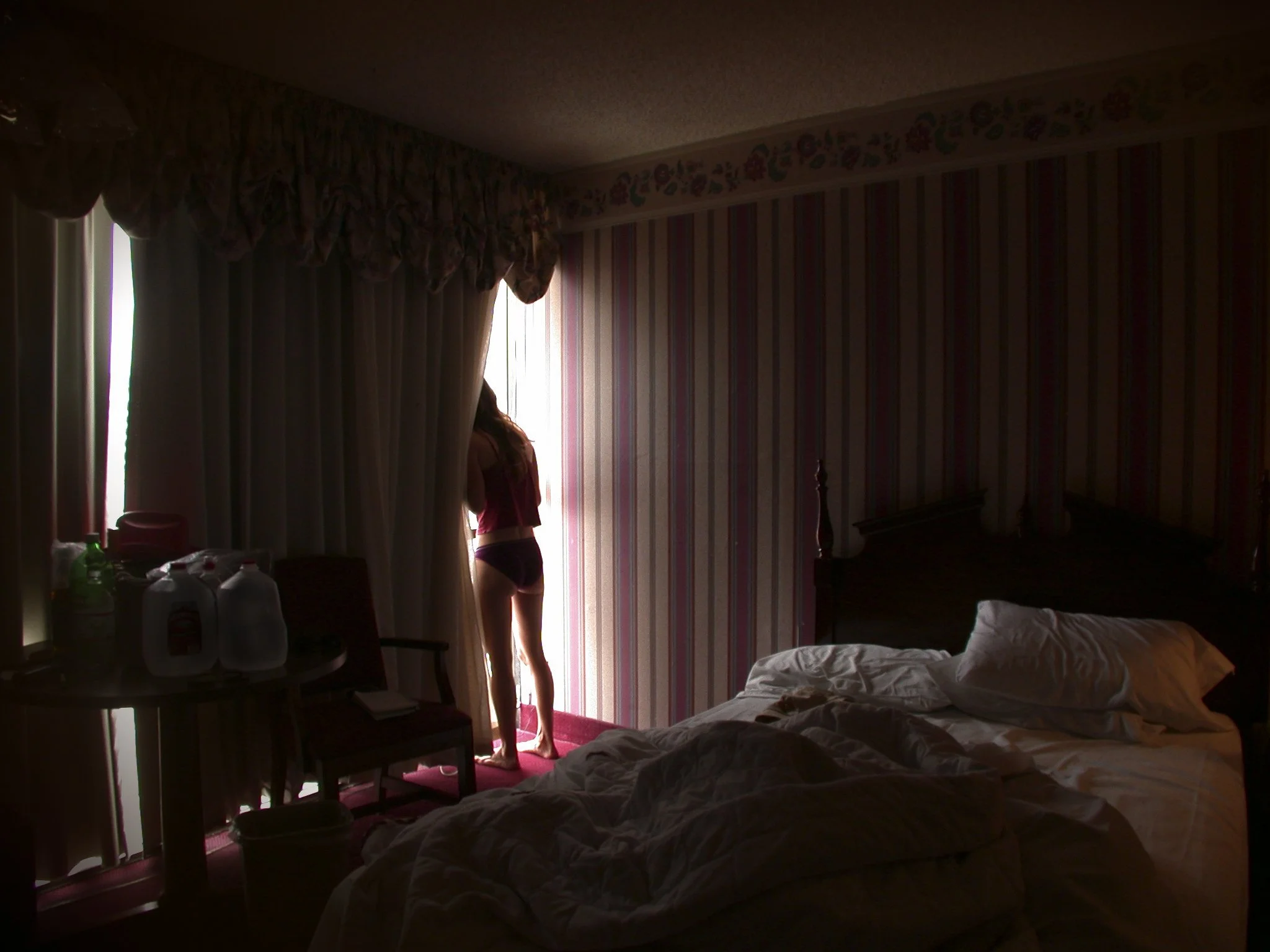
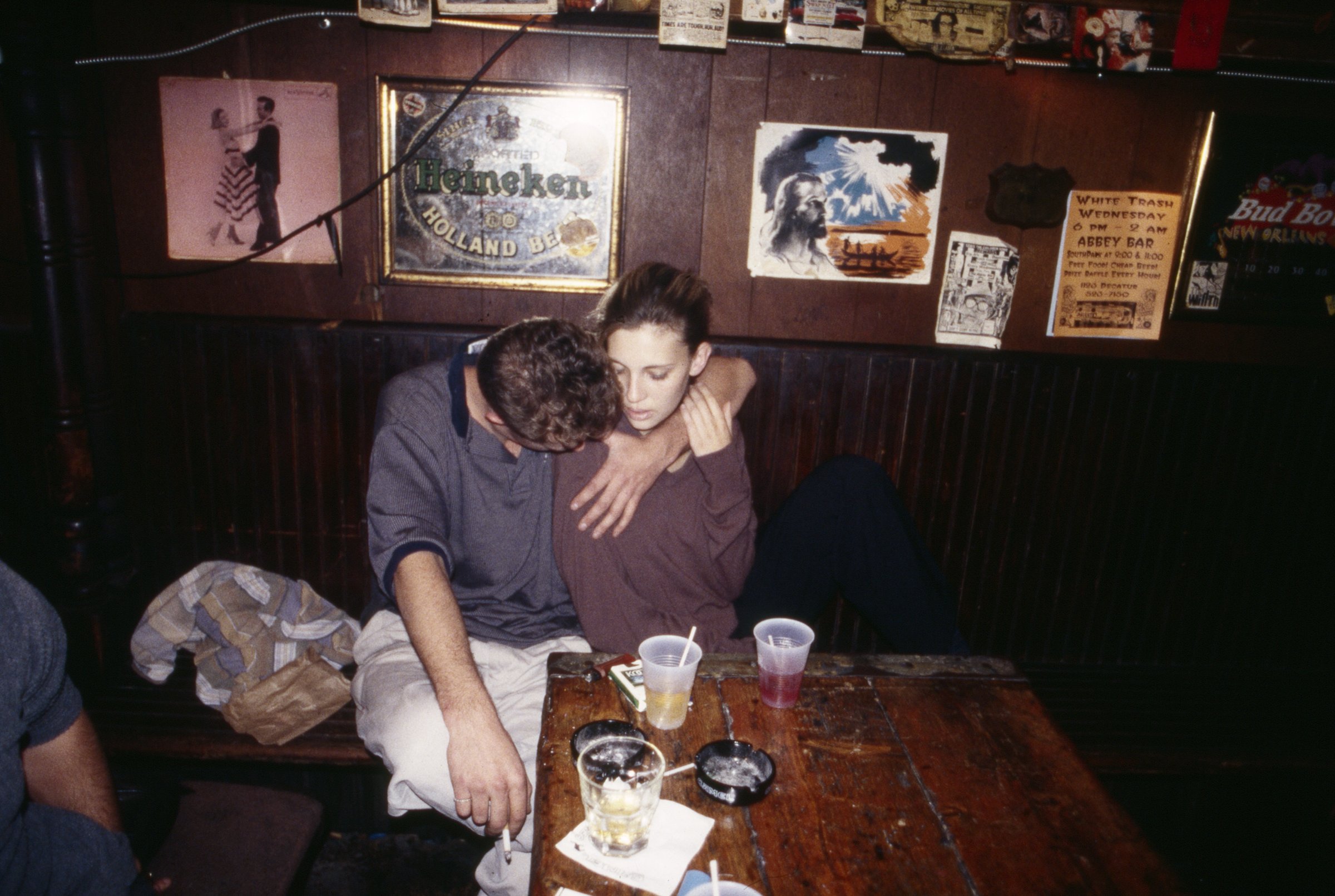
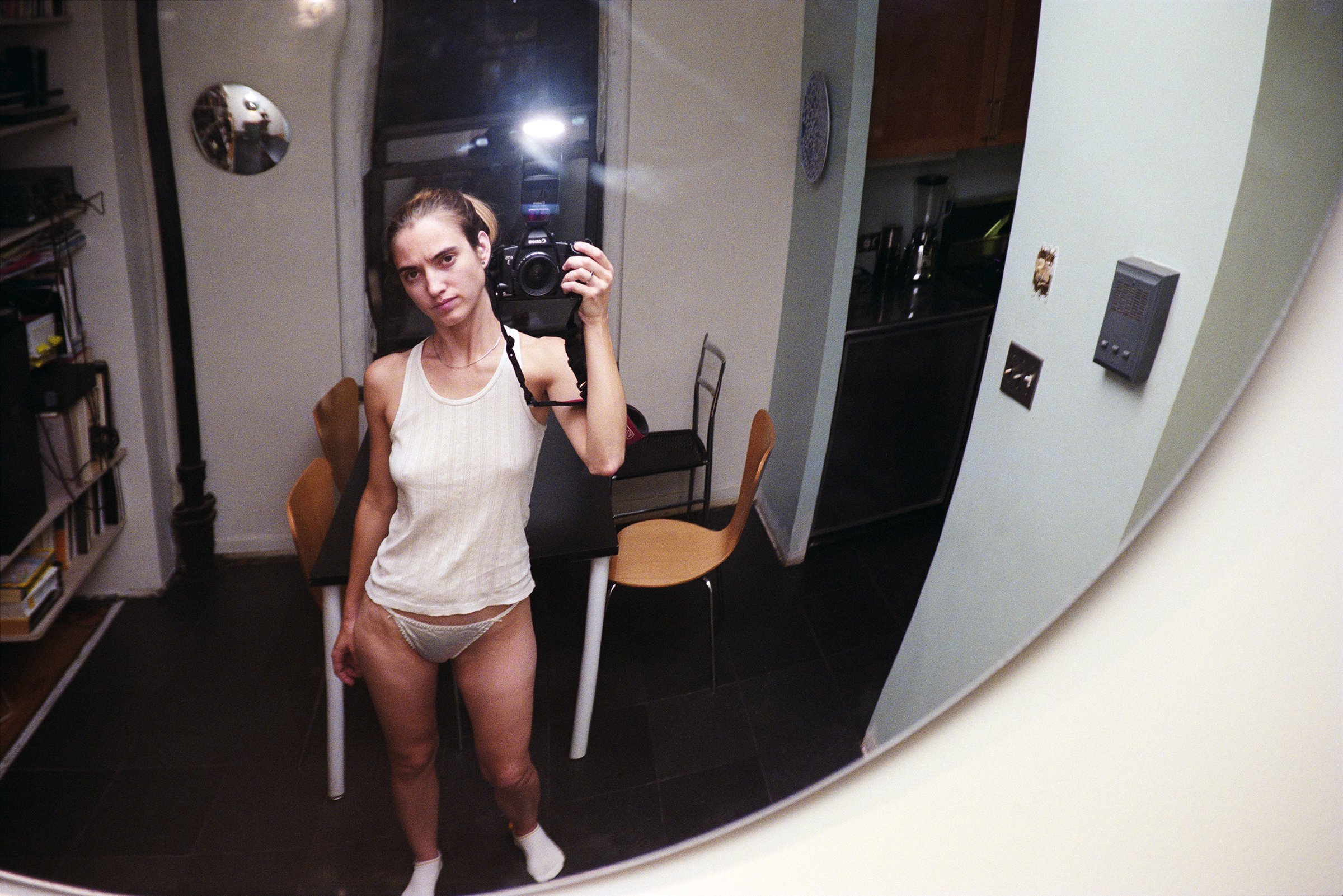
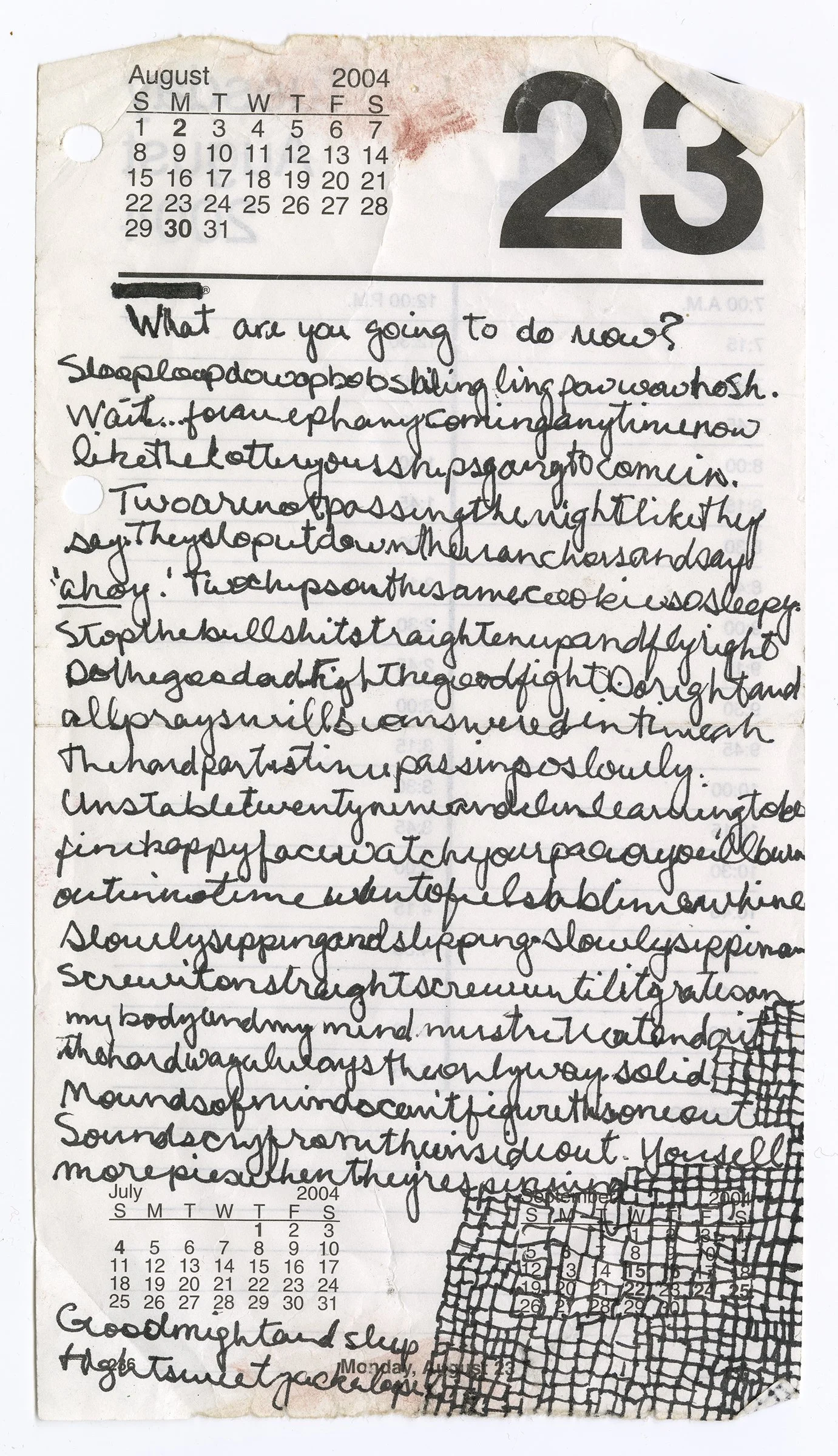
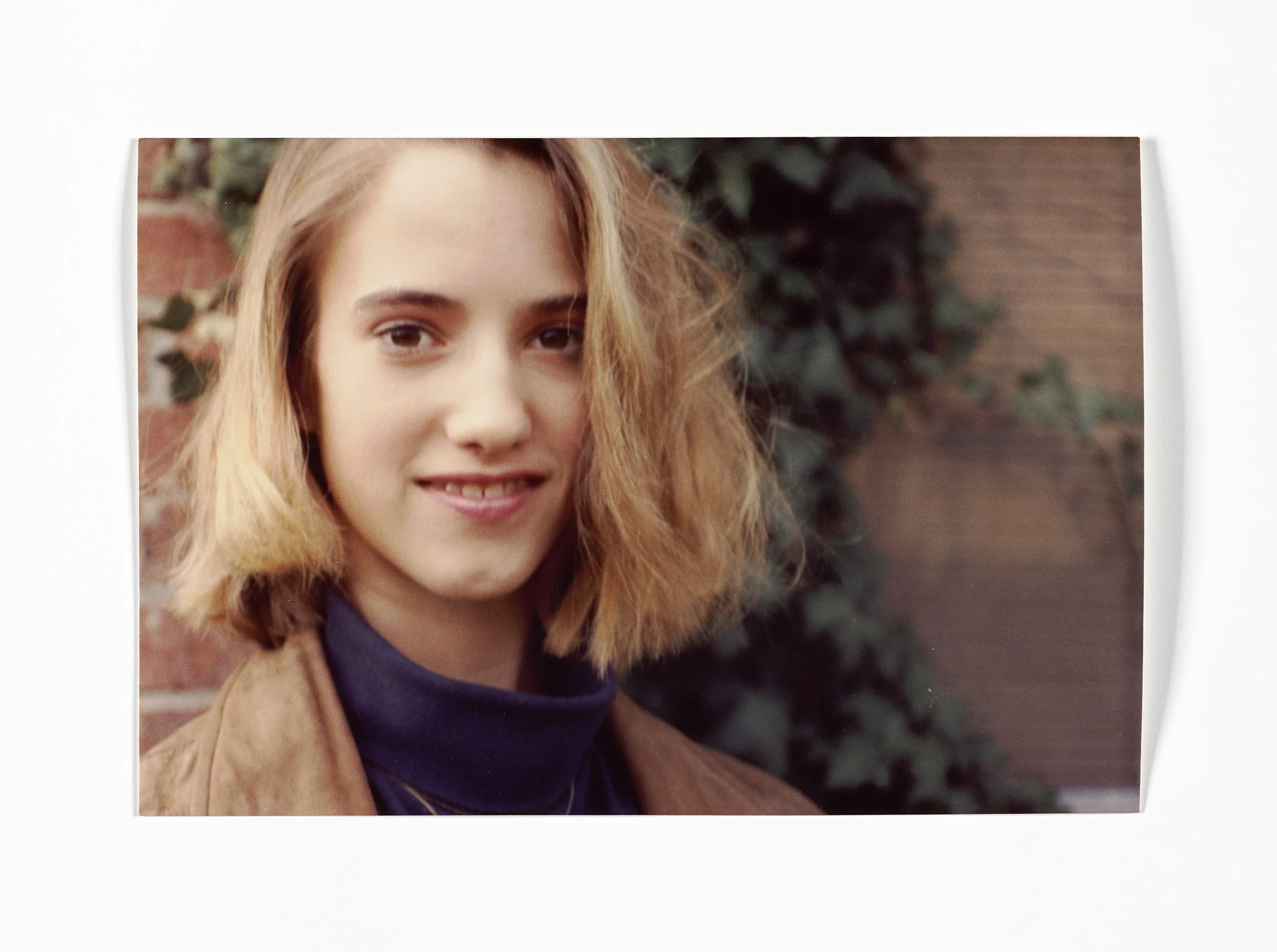
29th birthday

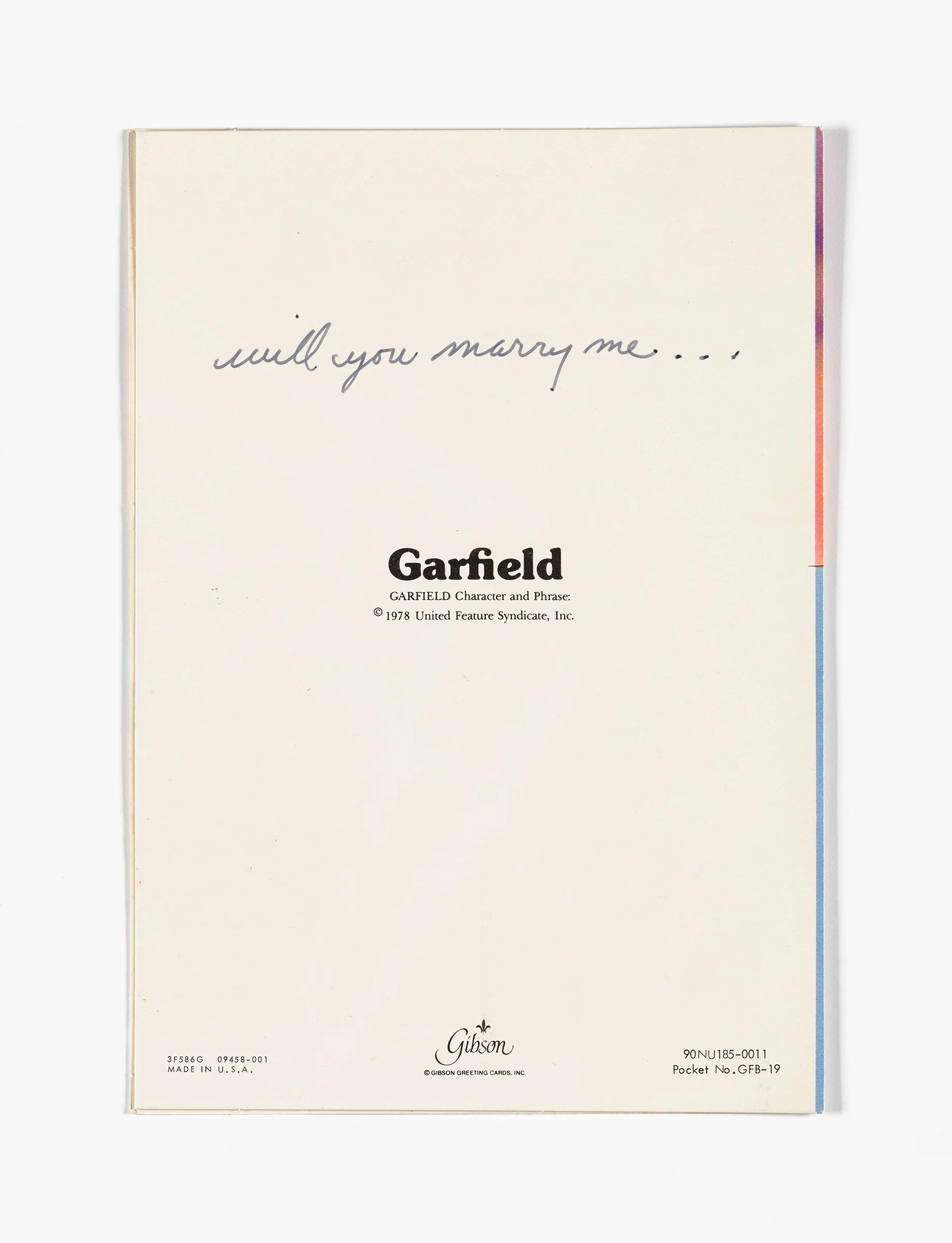
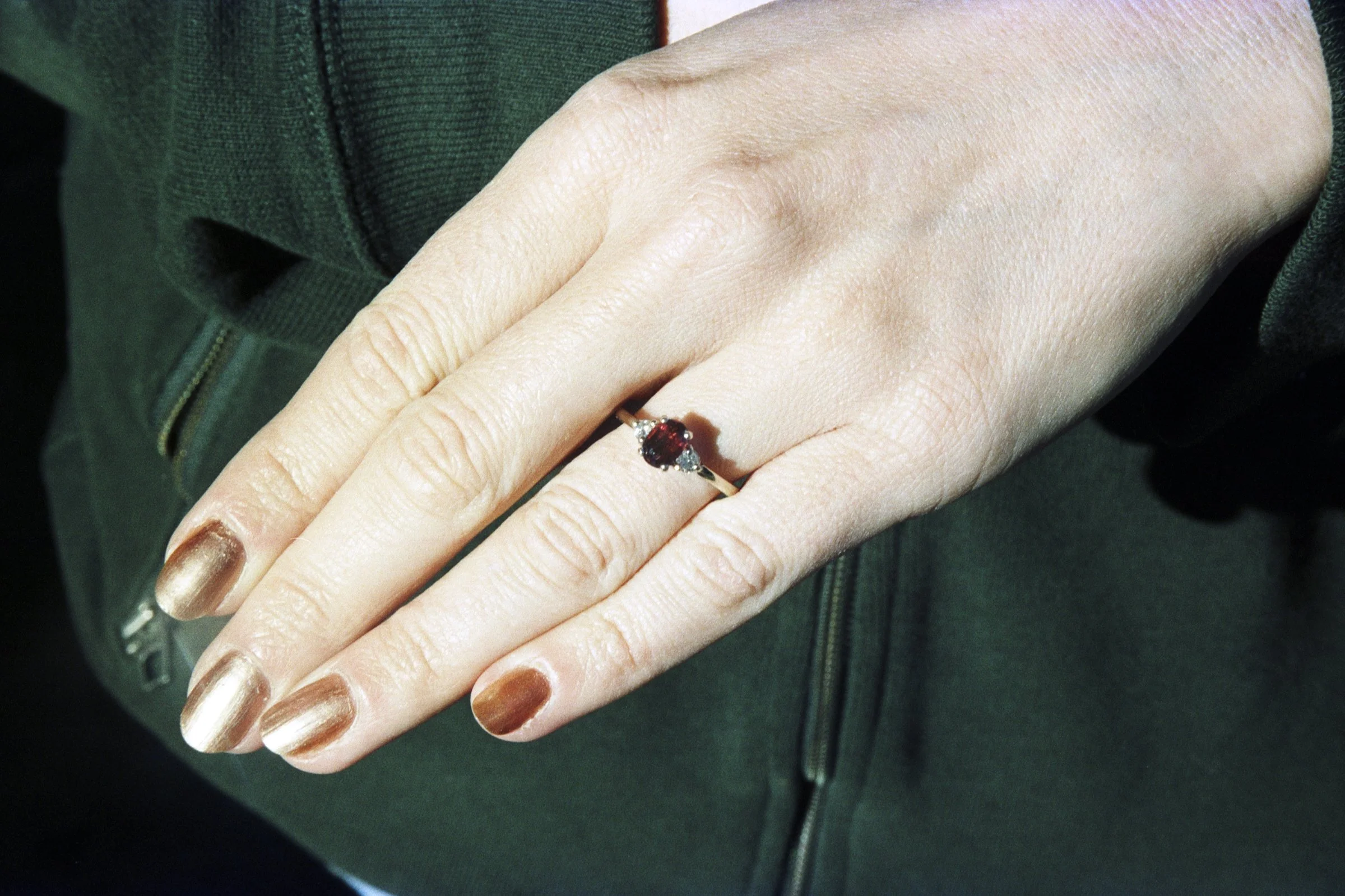
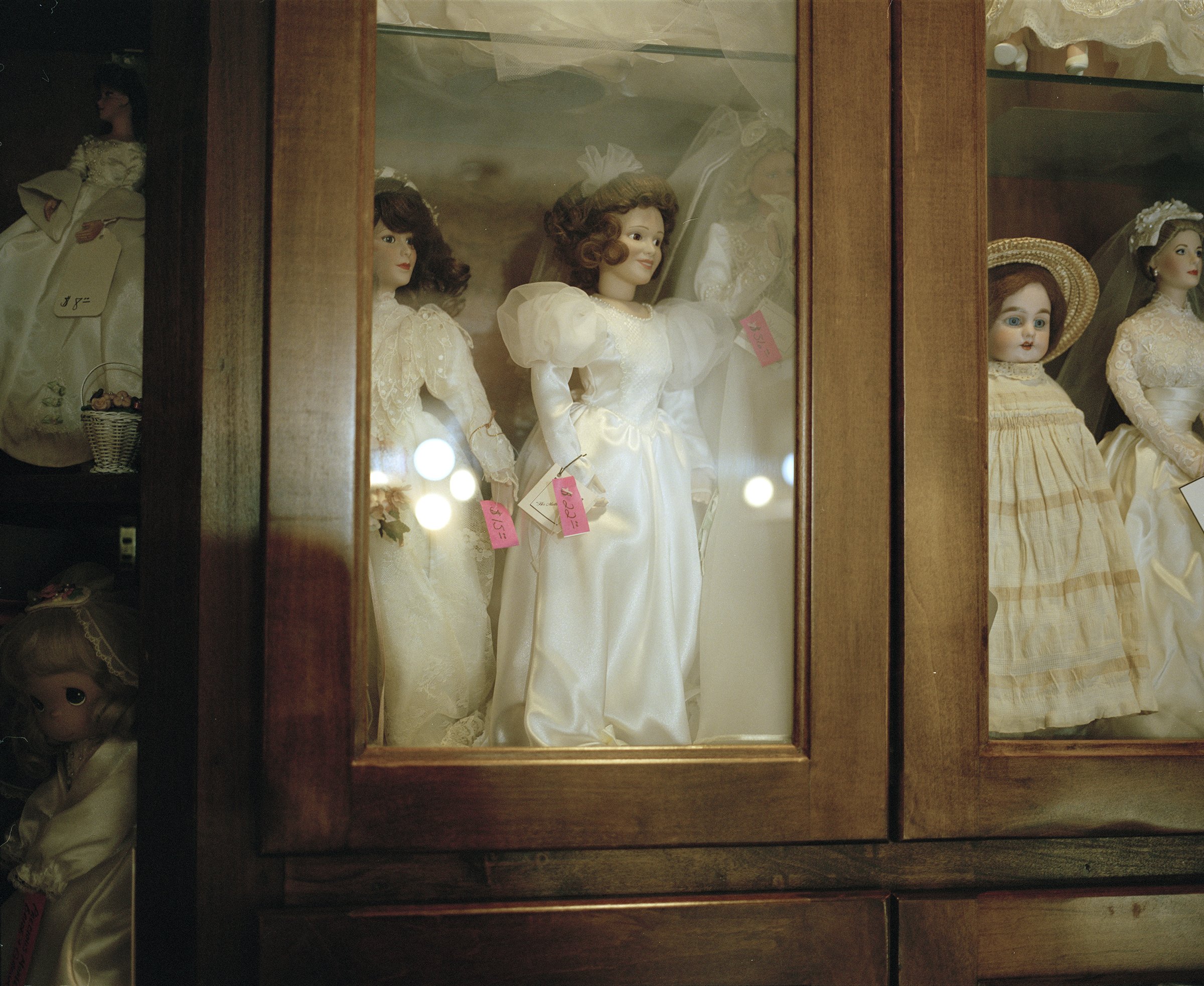
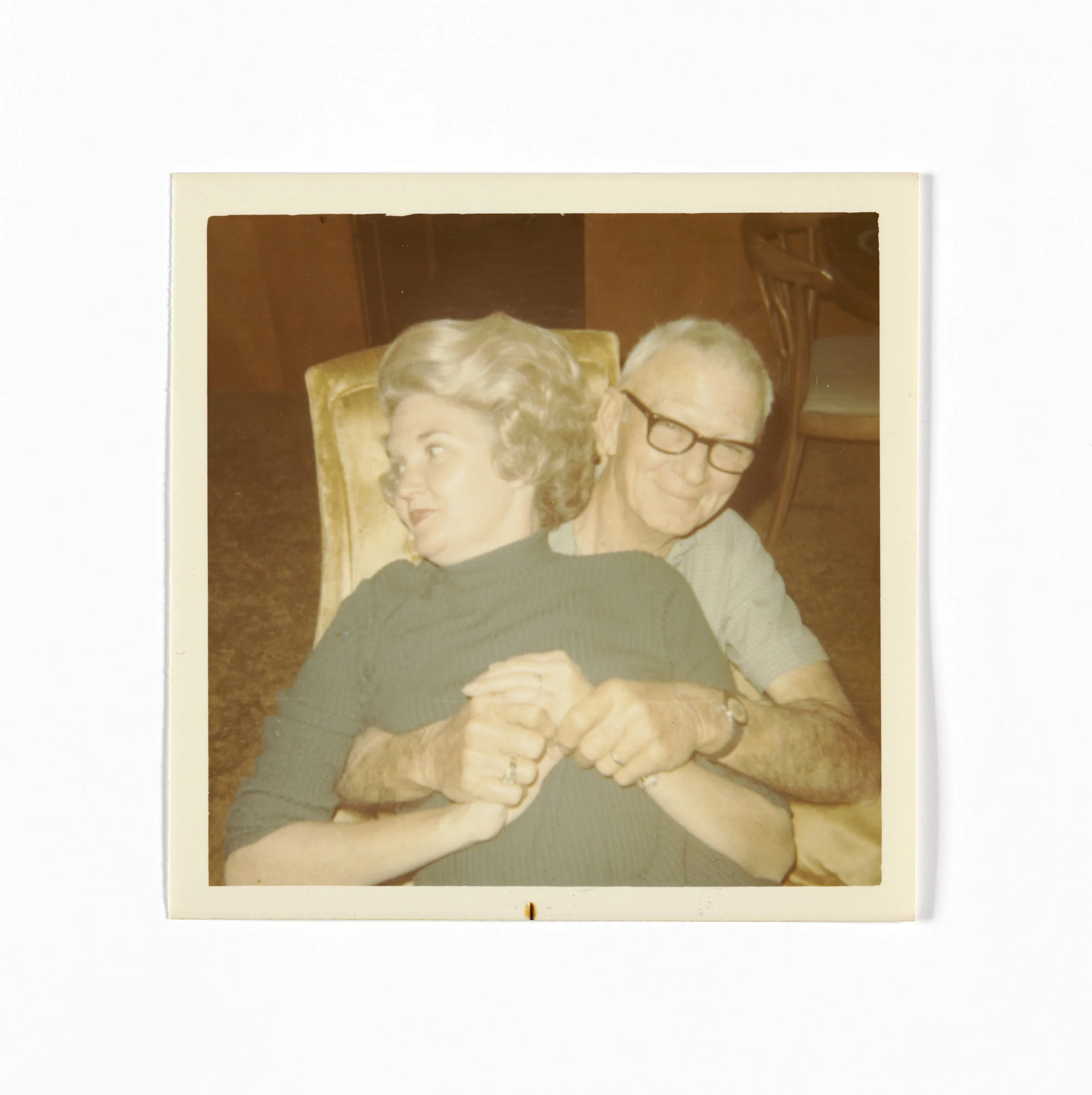
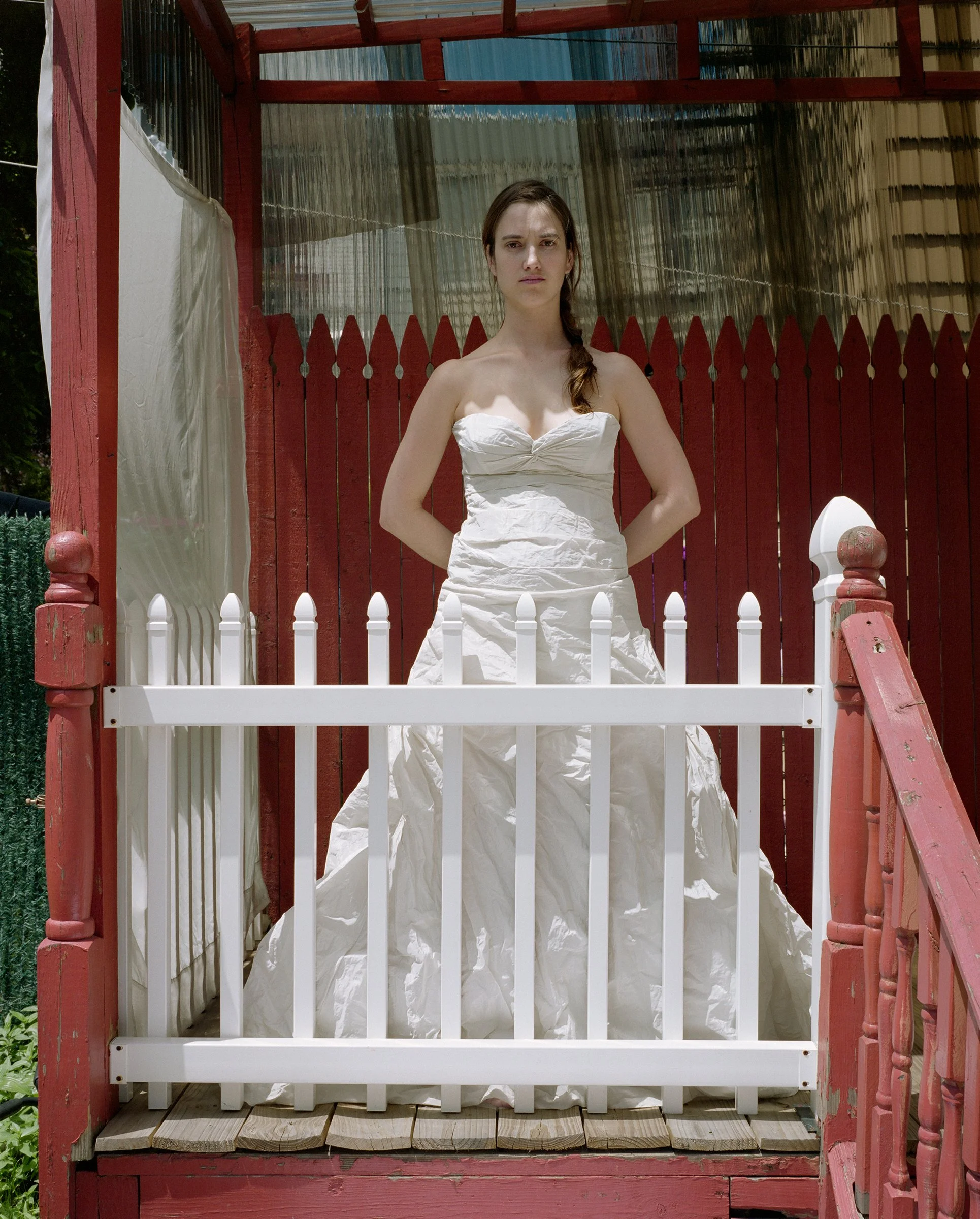
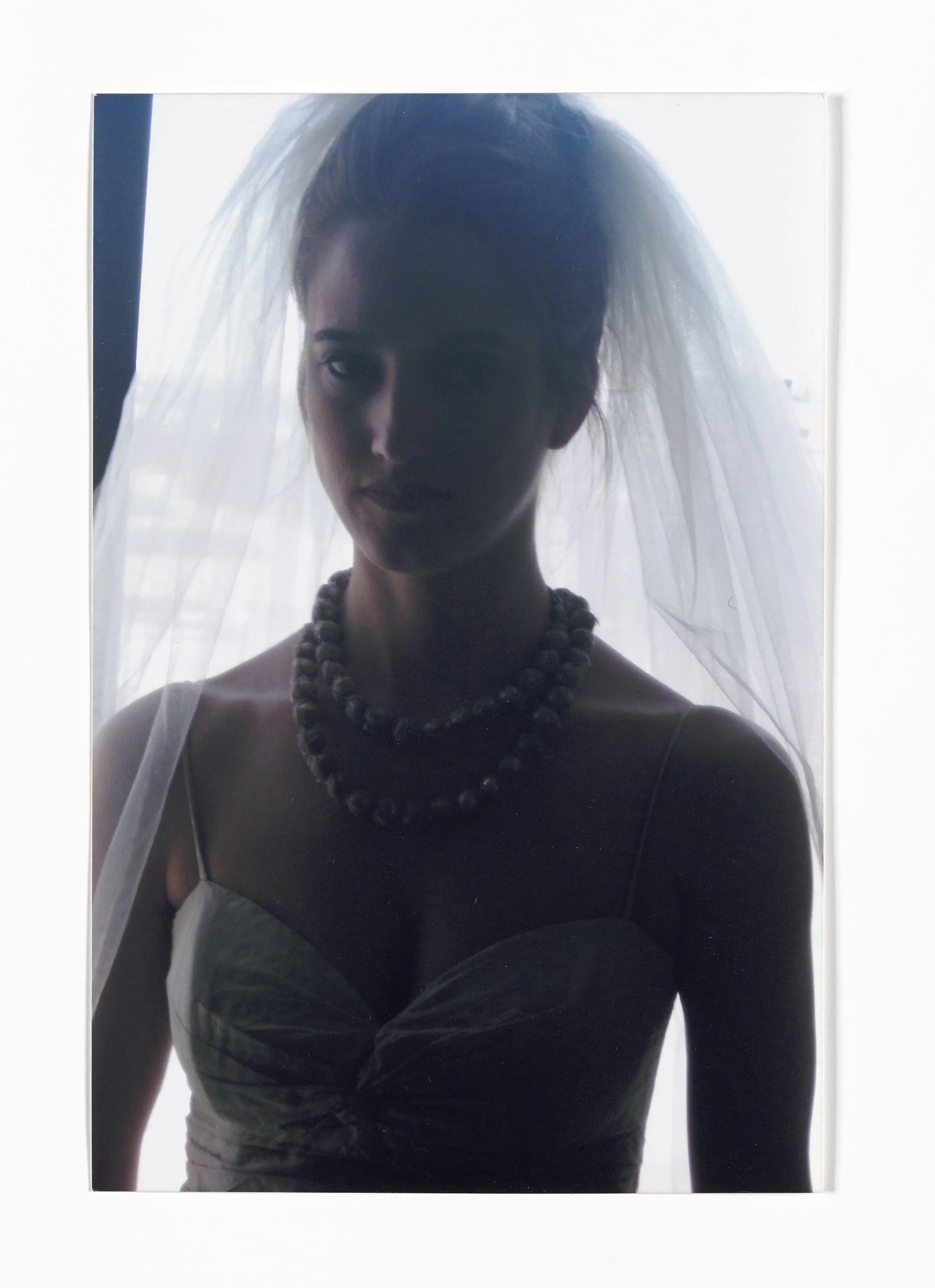
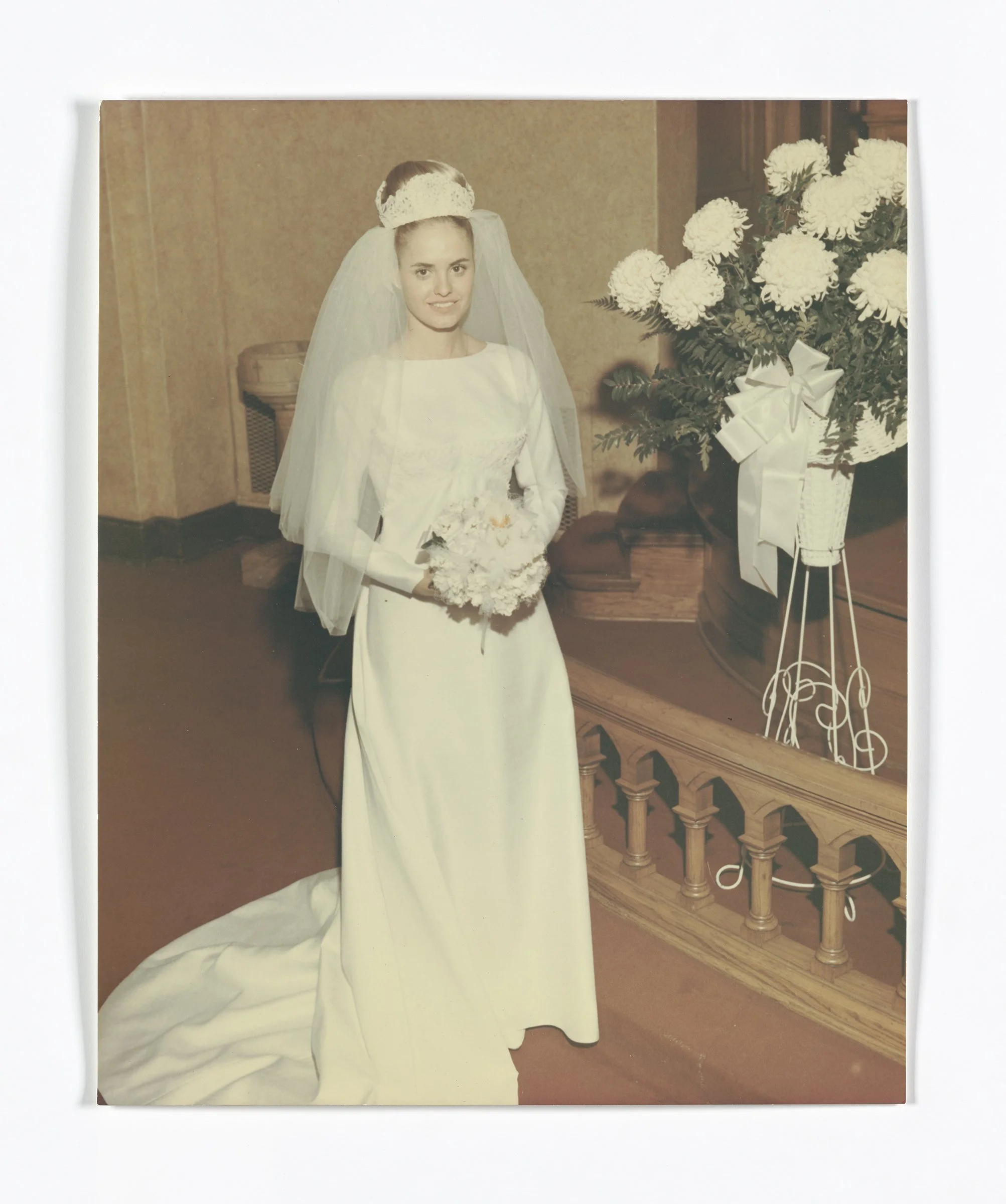
Photo taken by my mother on my wedding day.
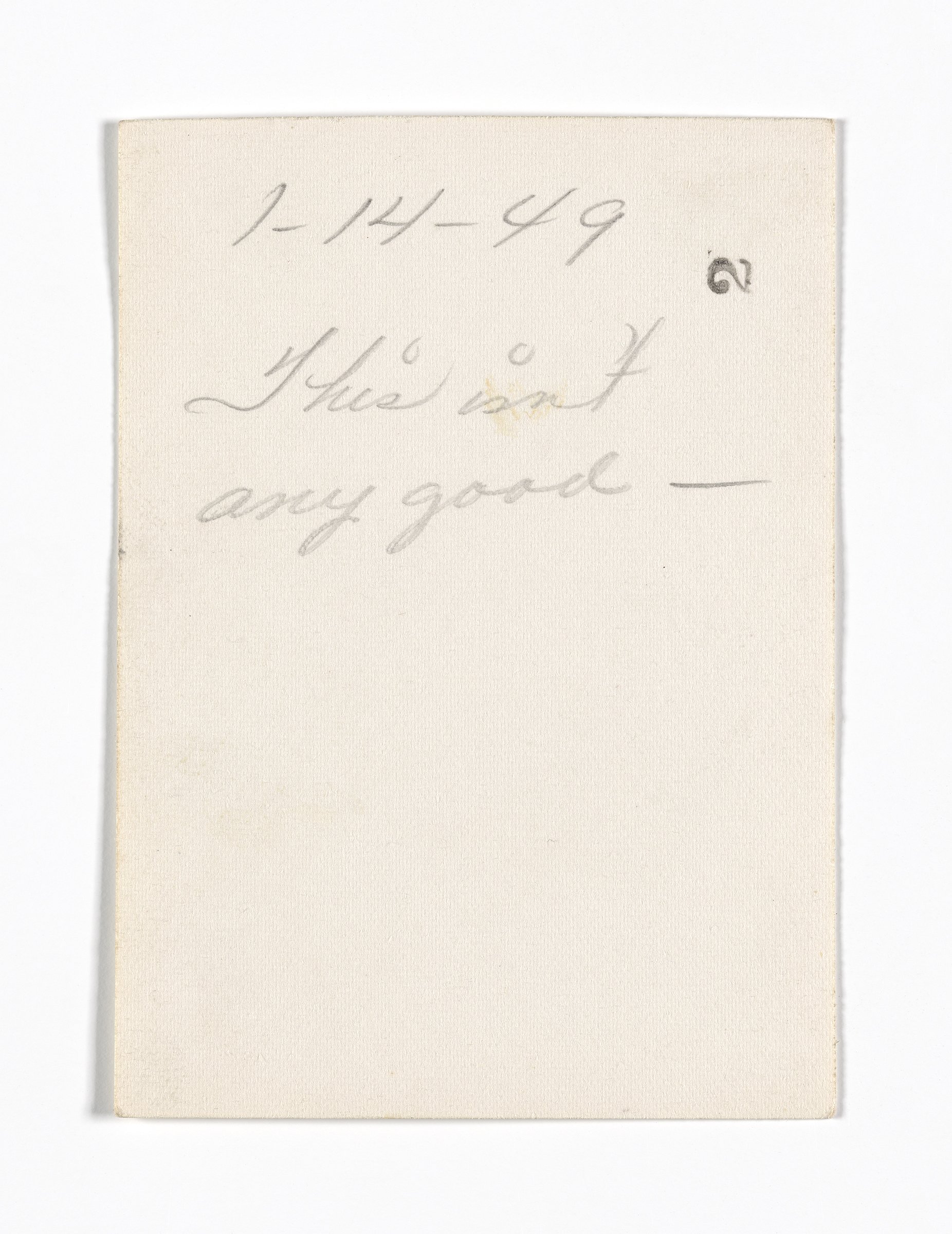
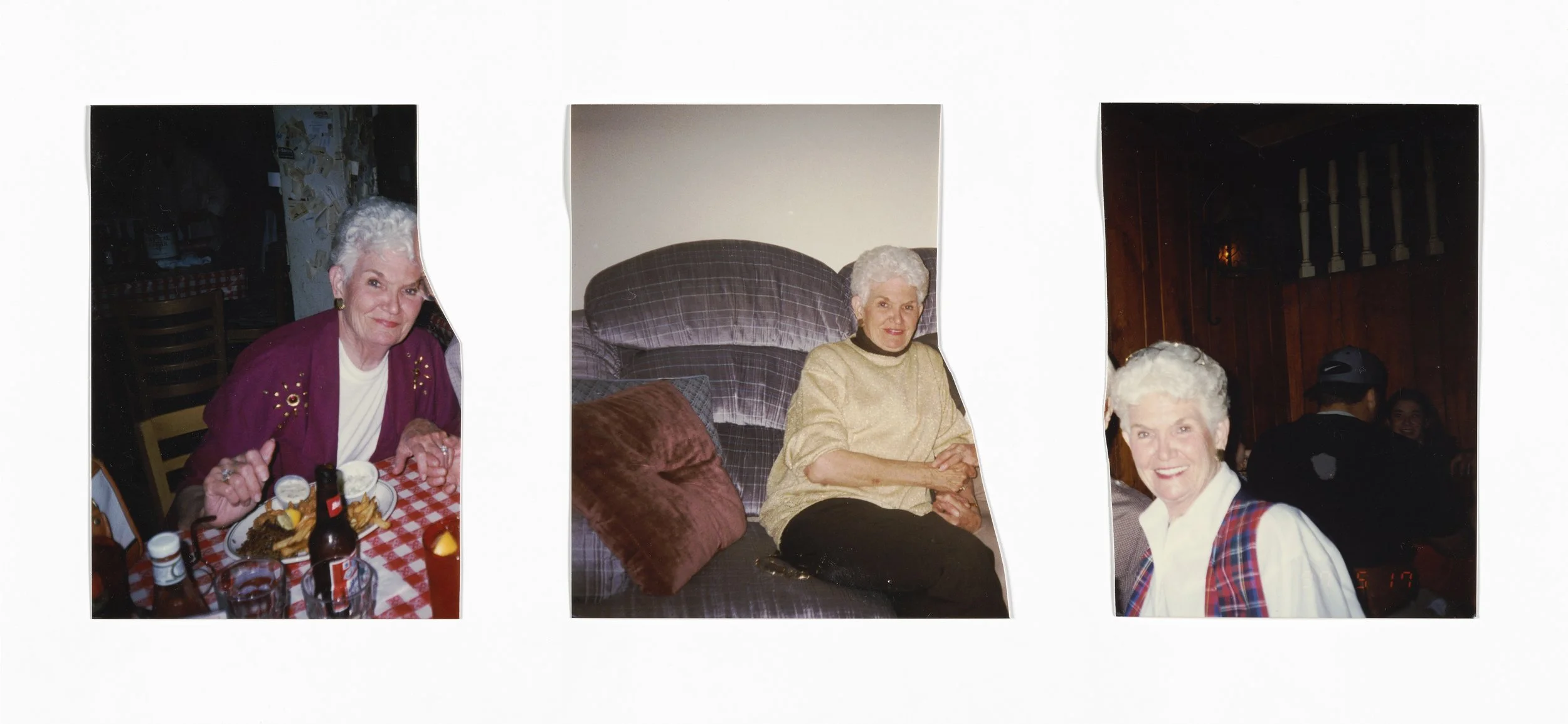
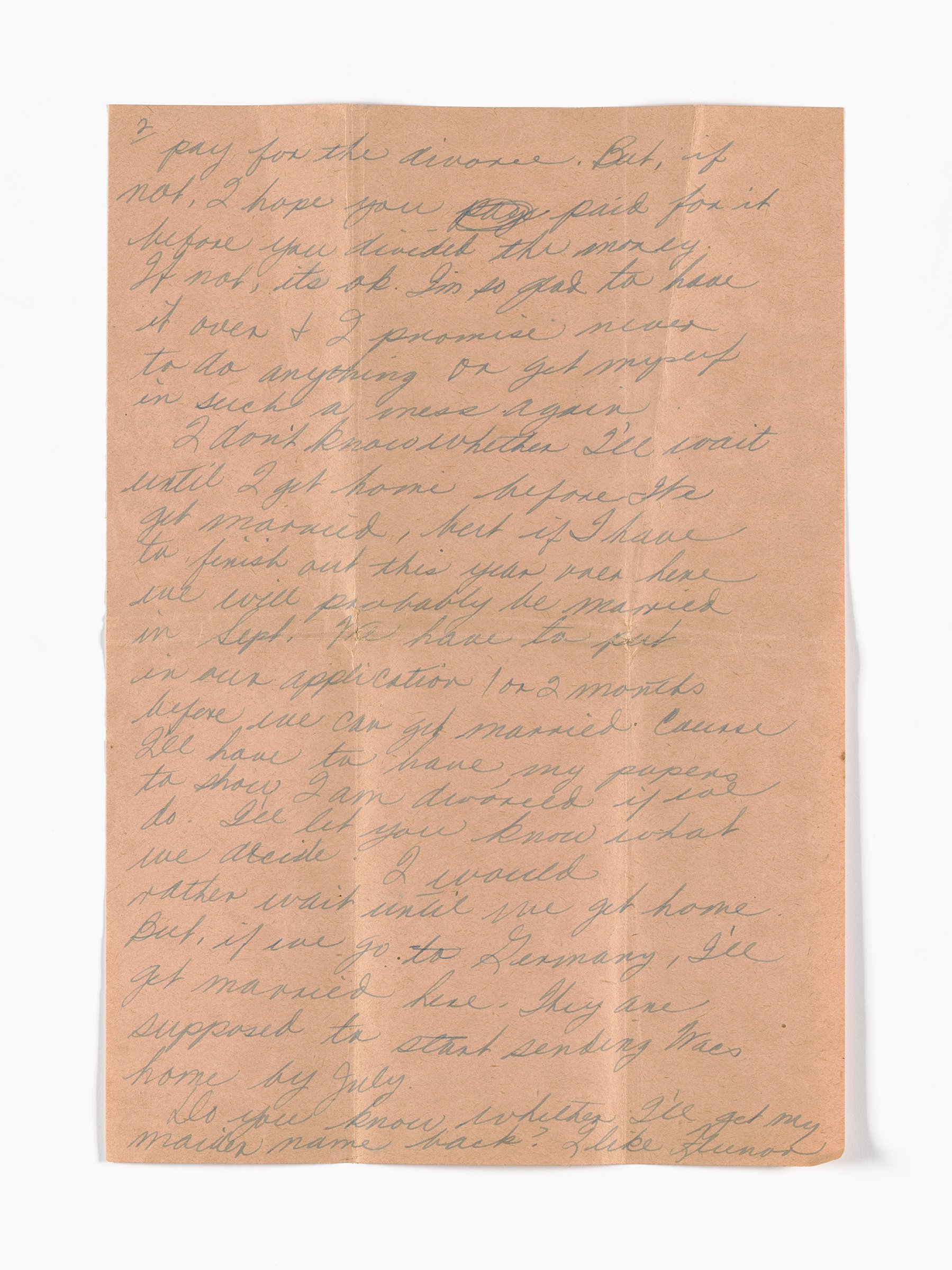
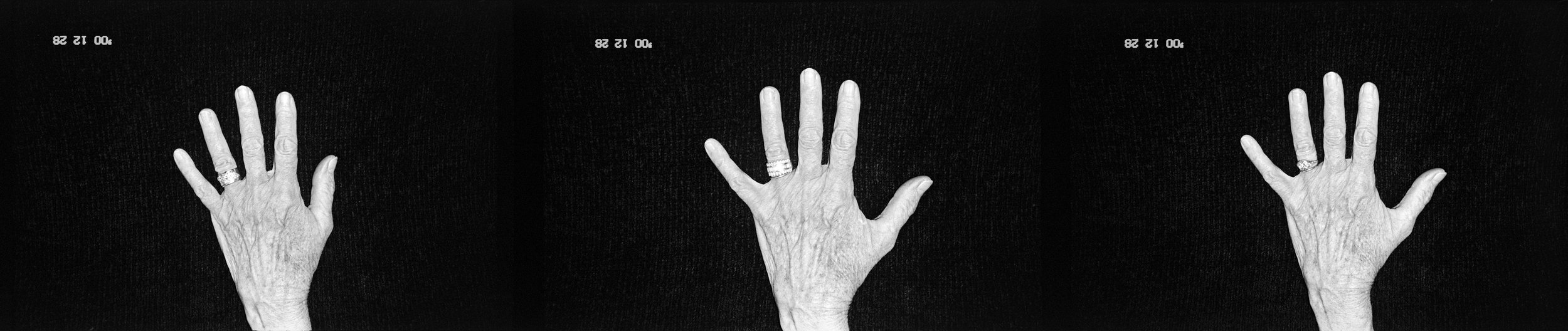
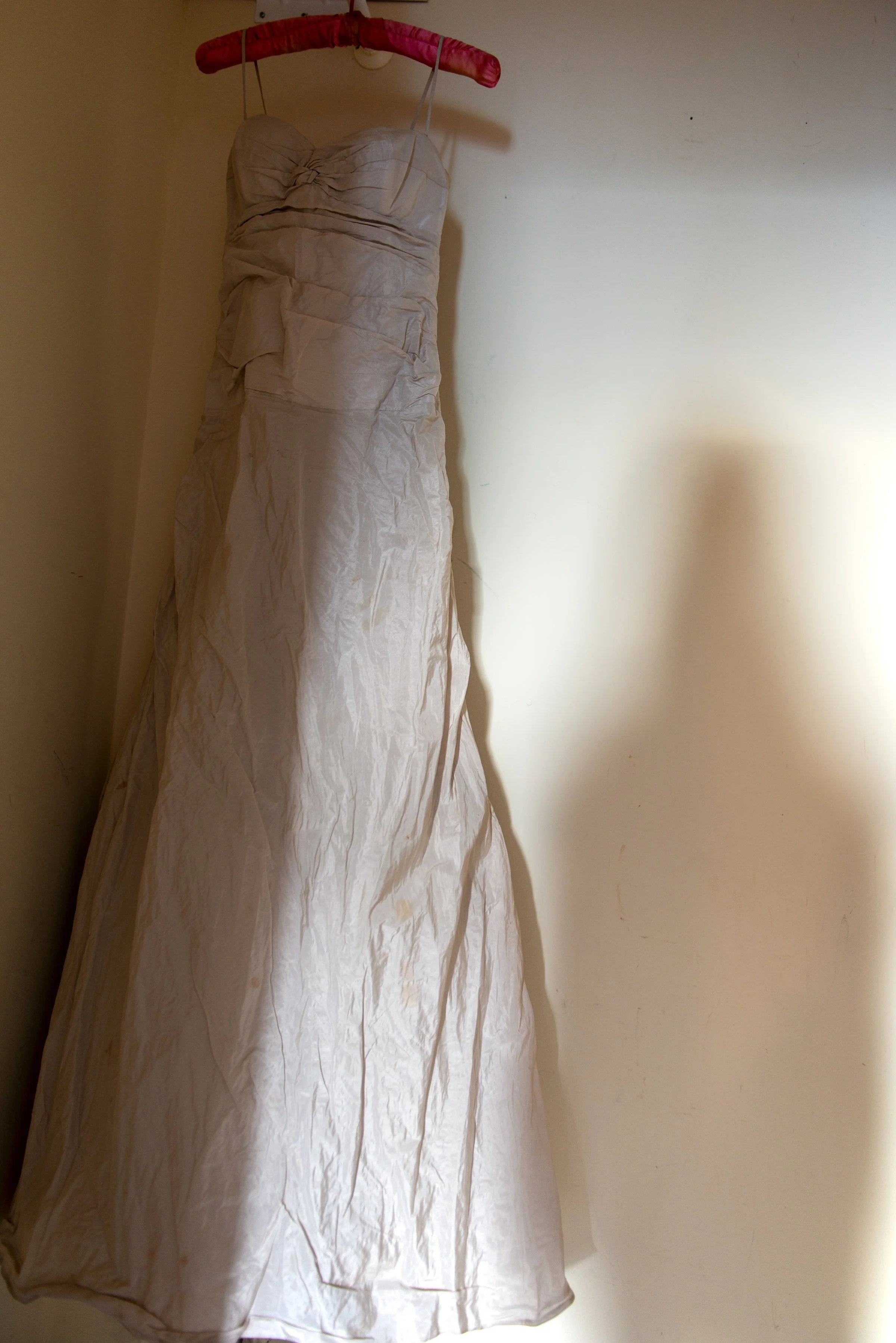
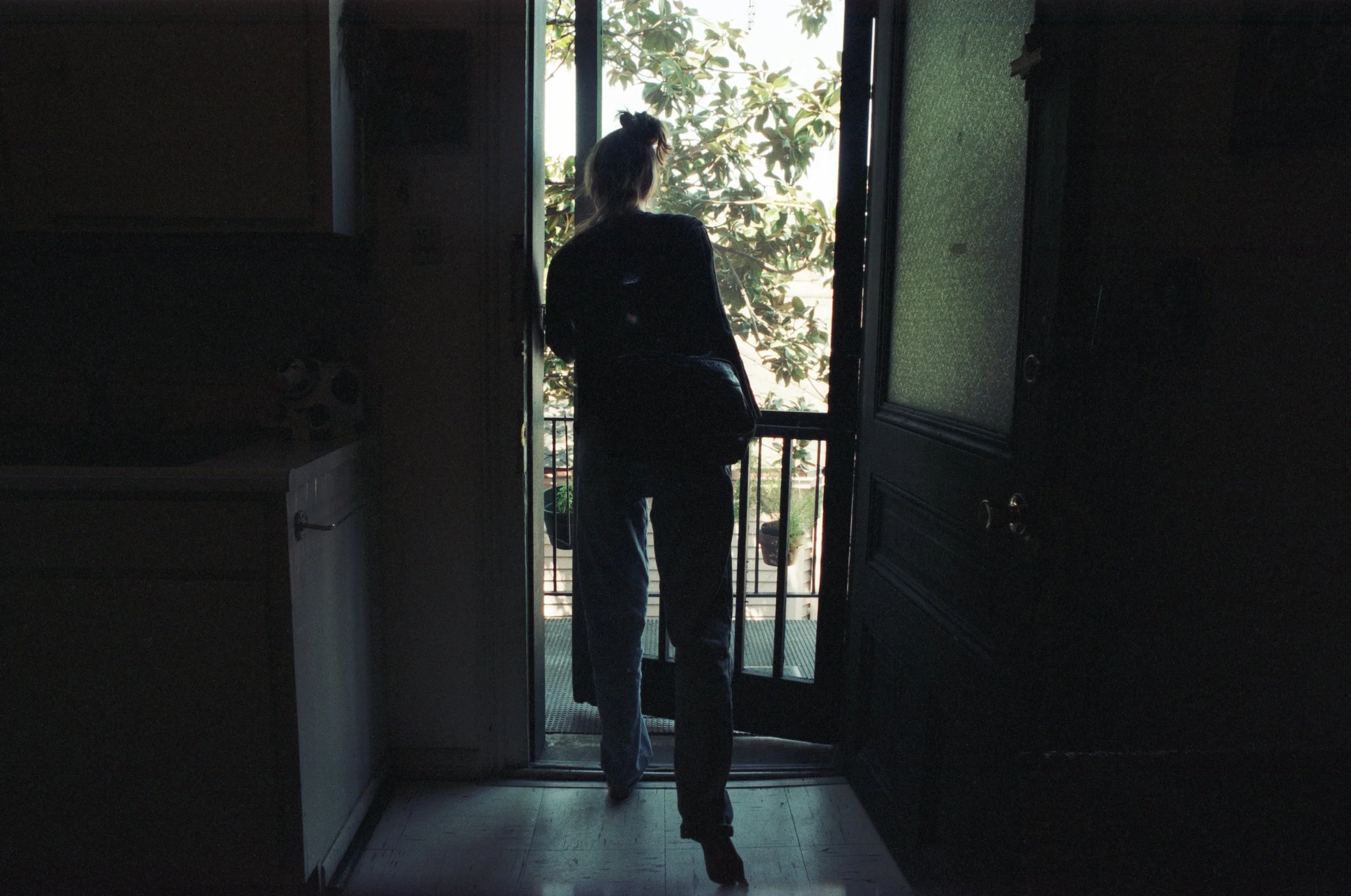
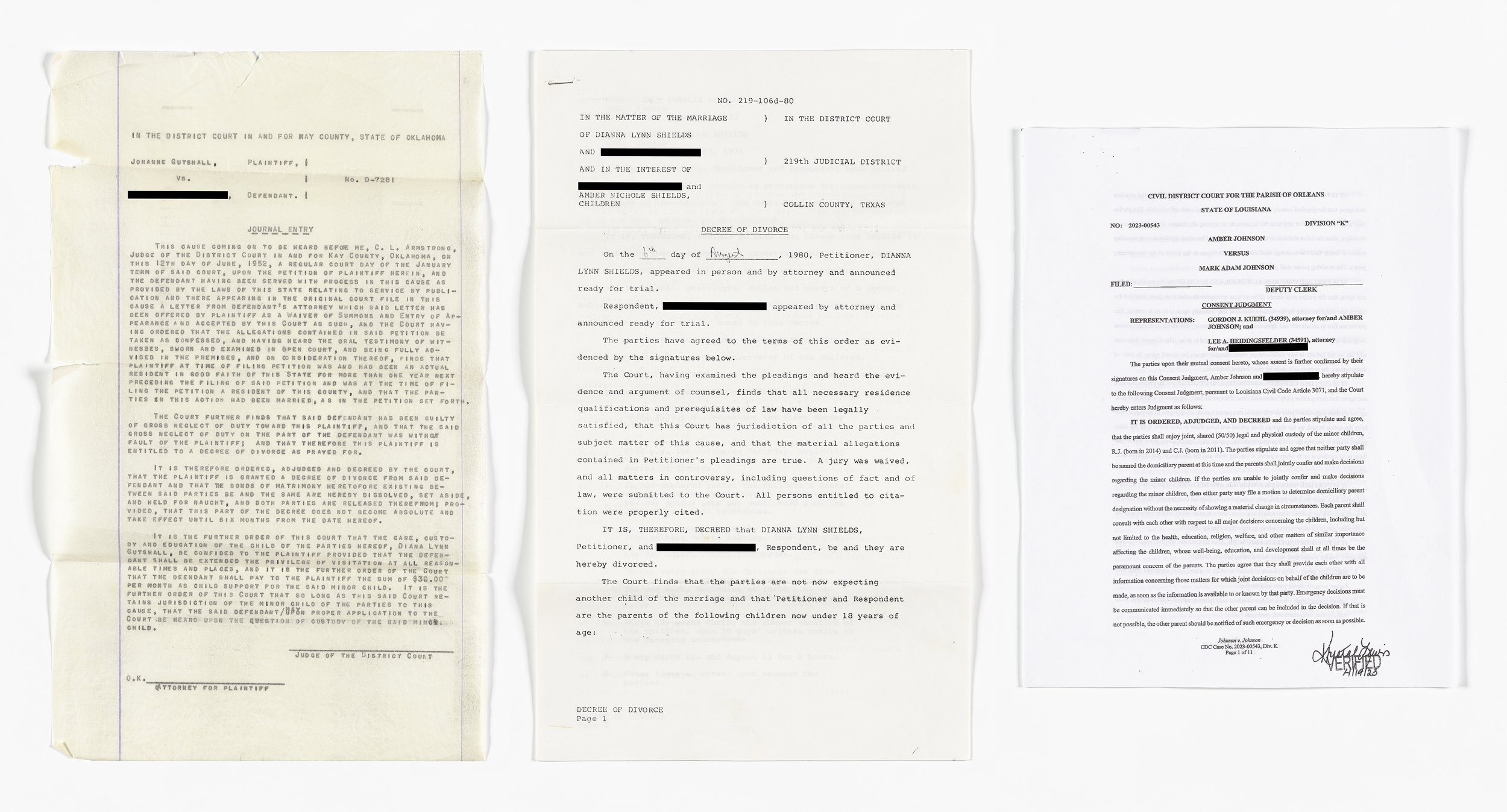
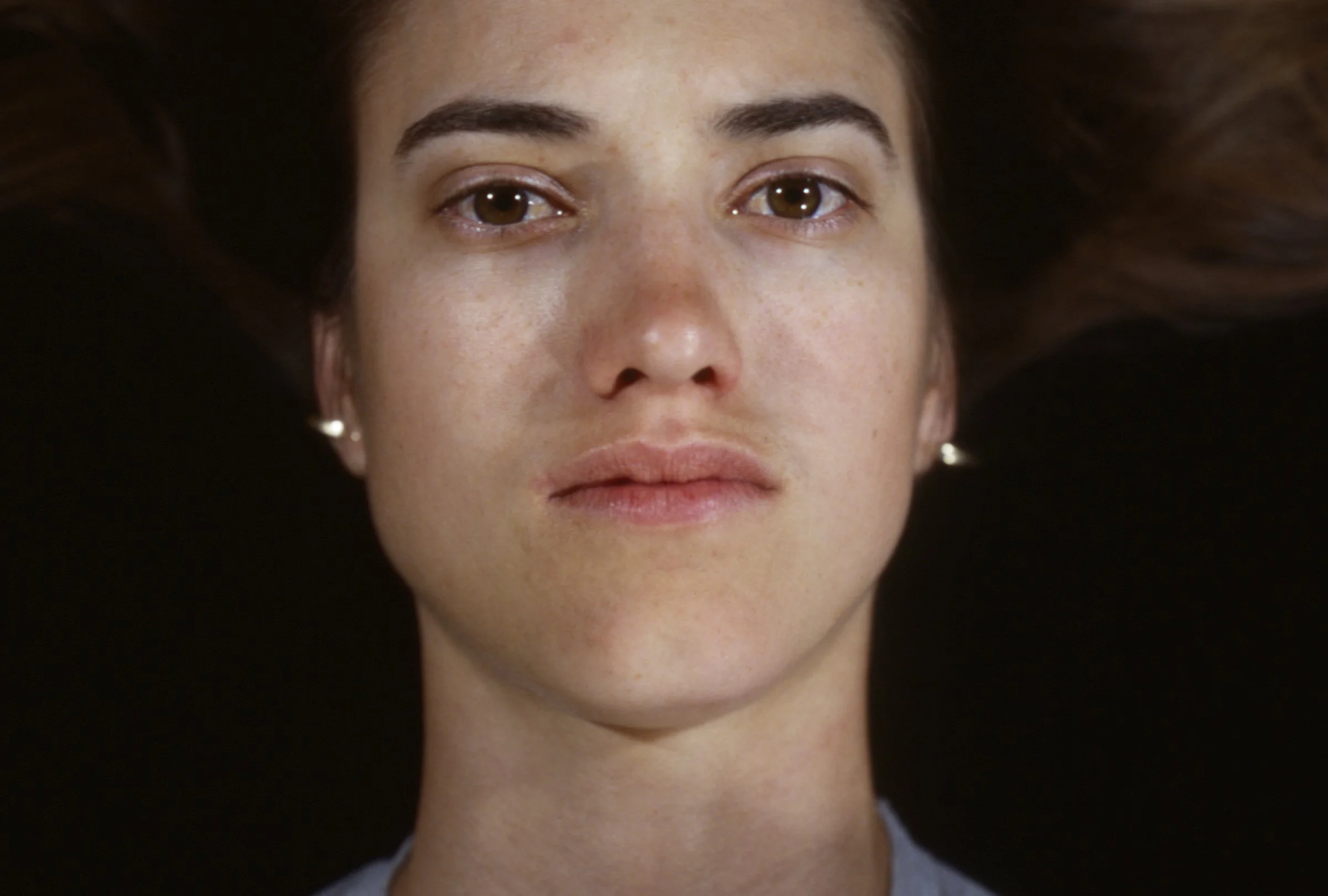
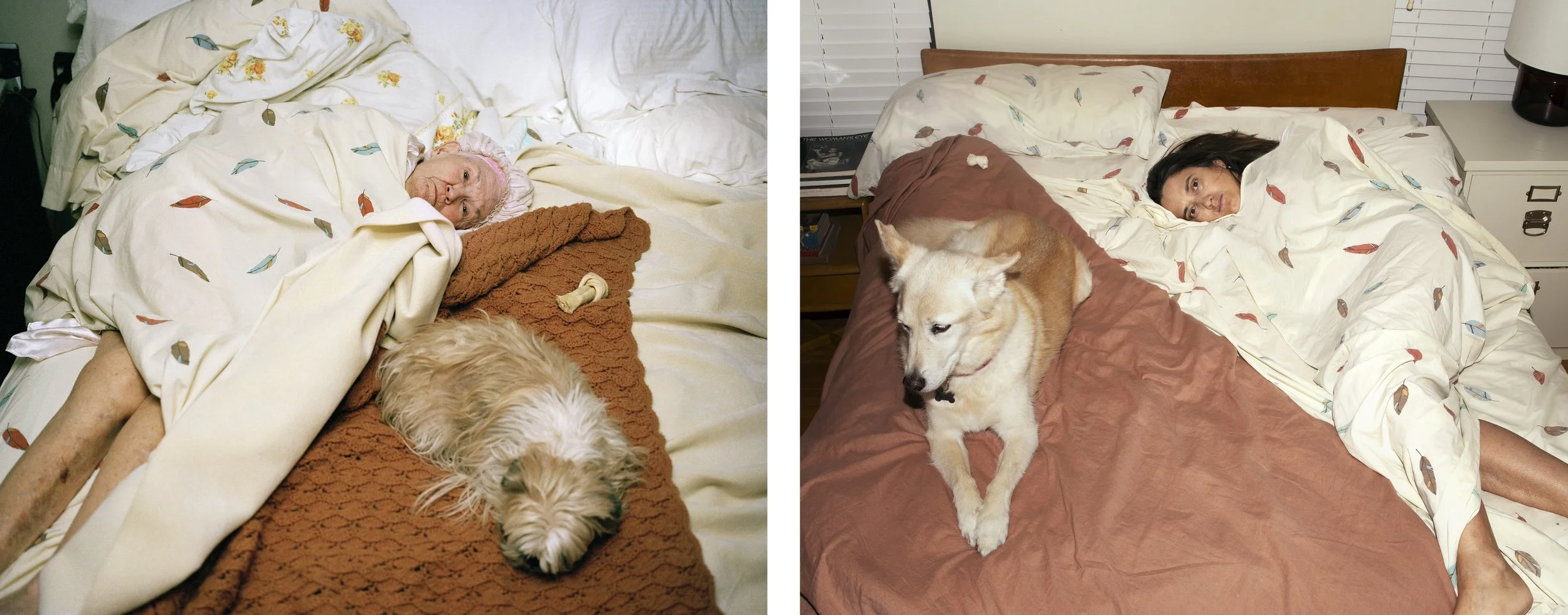
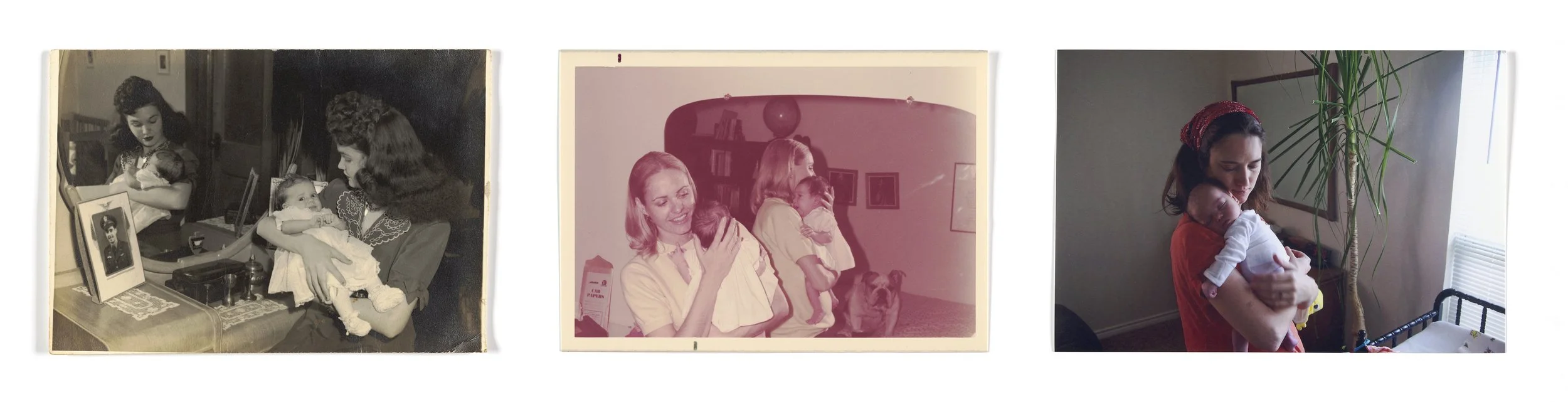
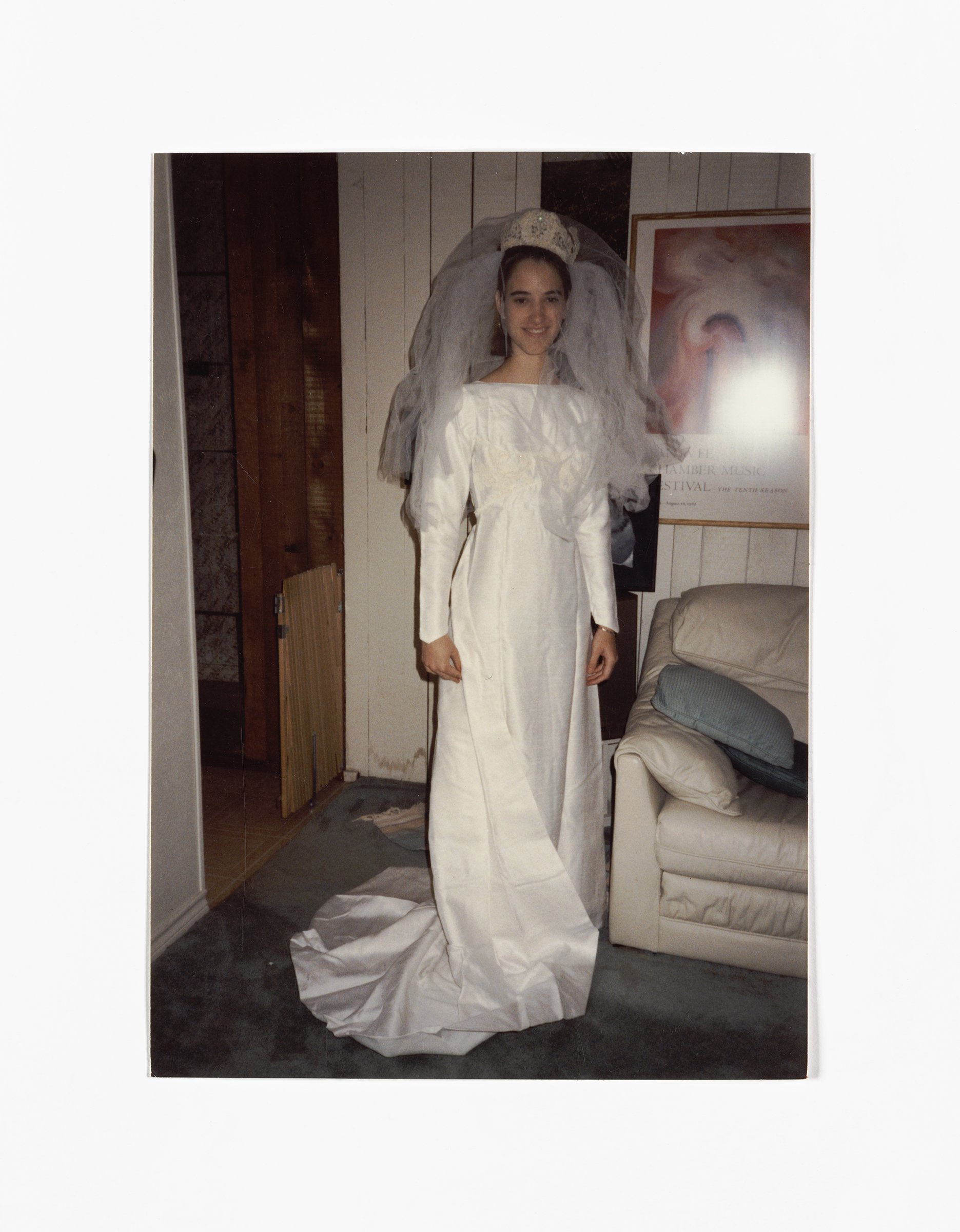
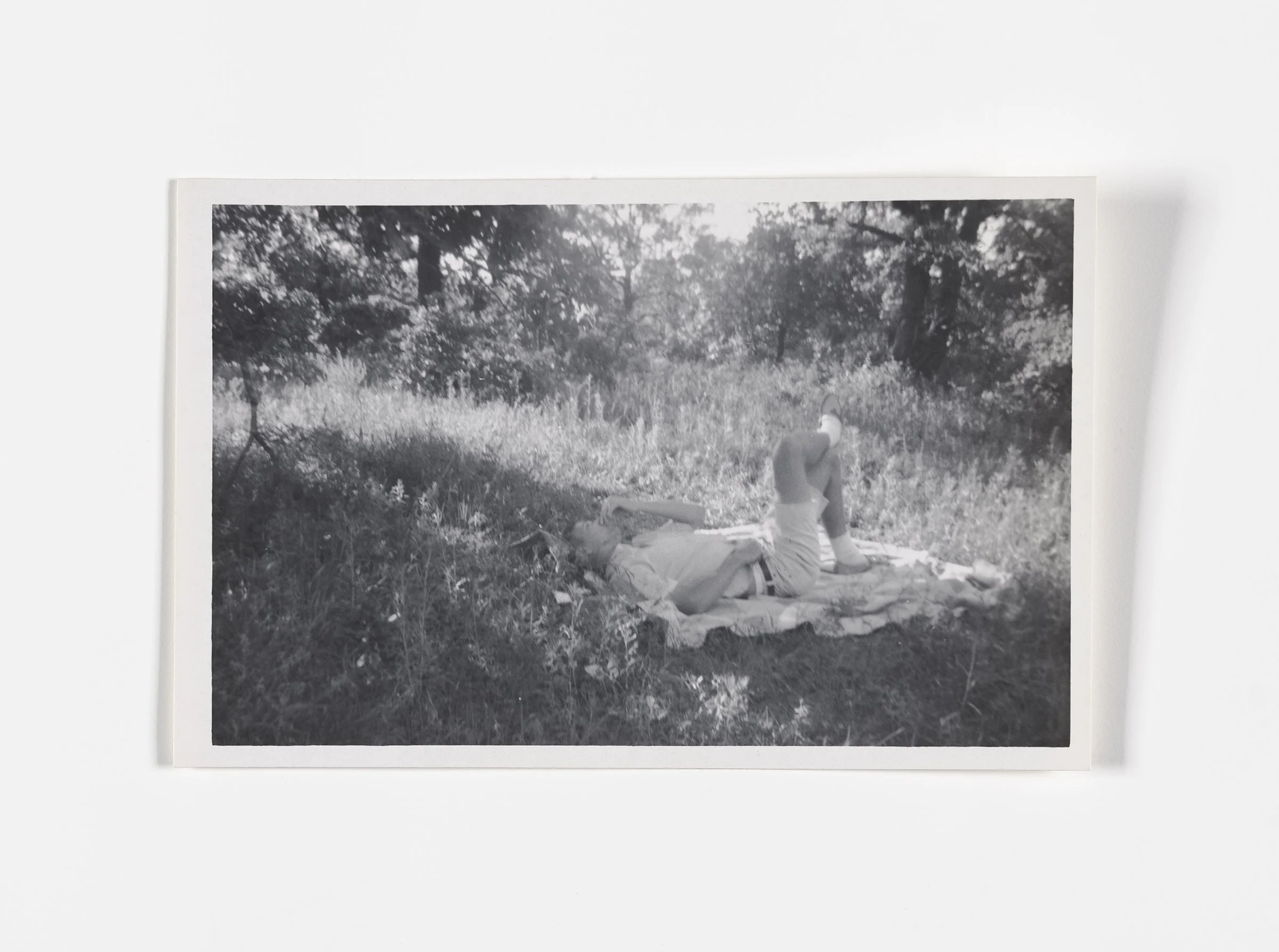
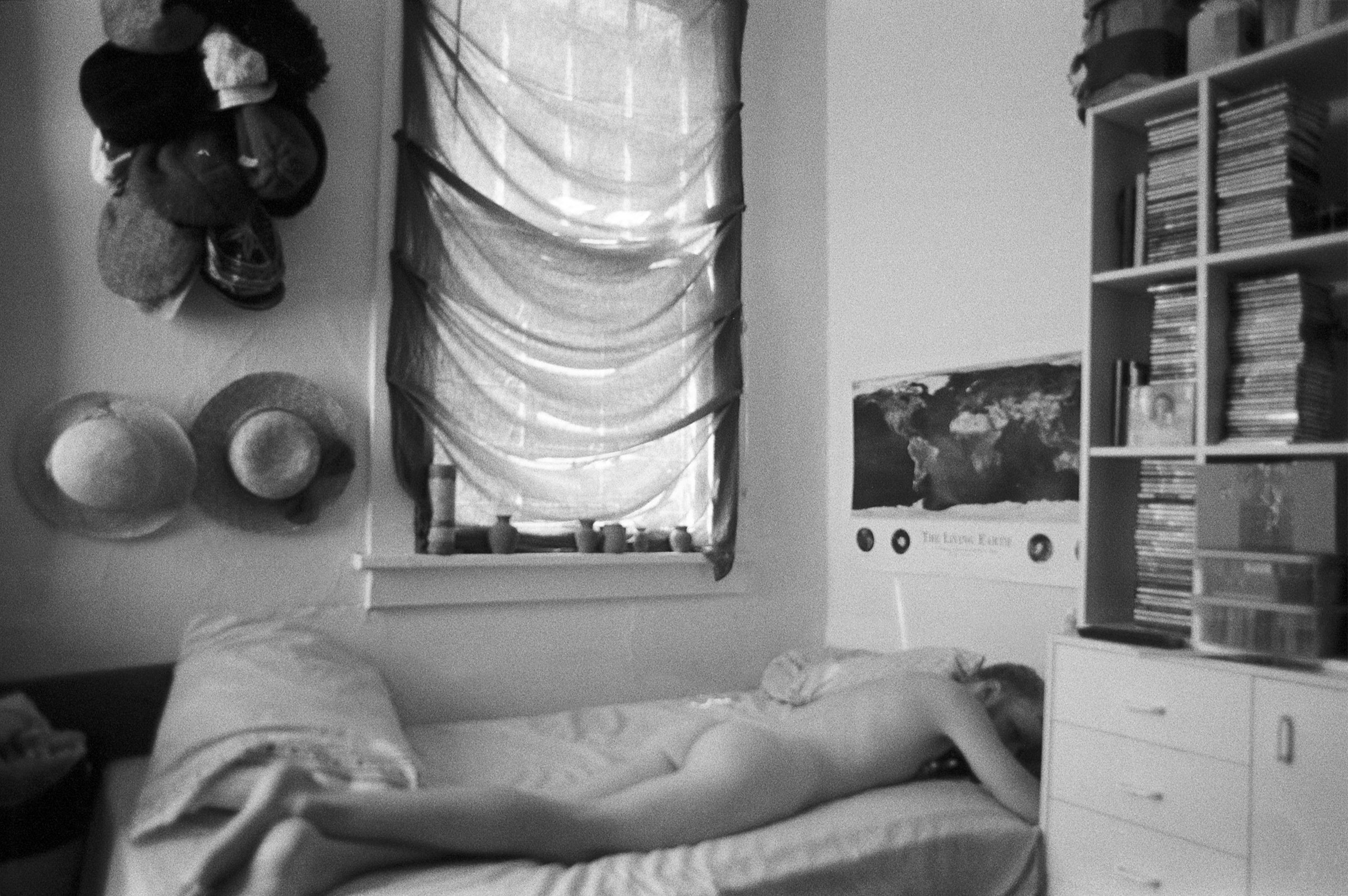
Photo taken by my me of my grandmother, 2005; Photo taken by my daughter of me, 2025


WIFMAN
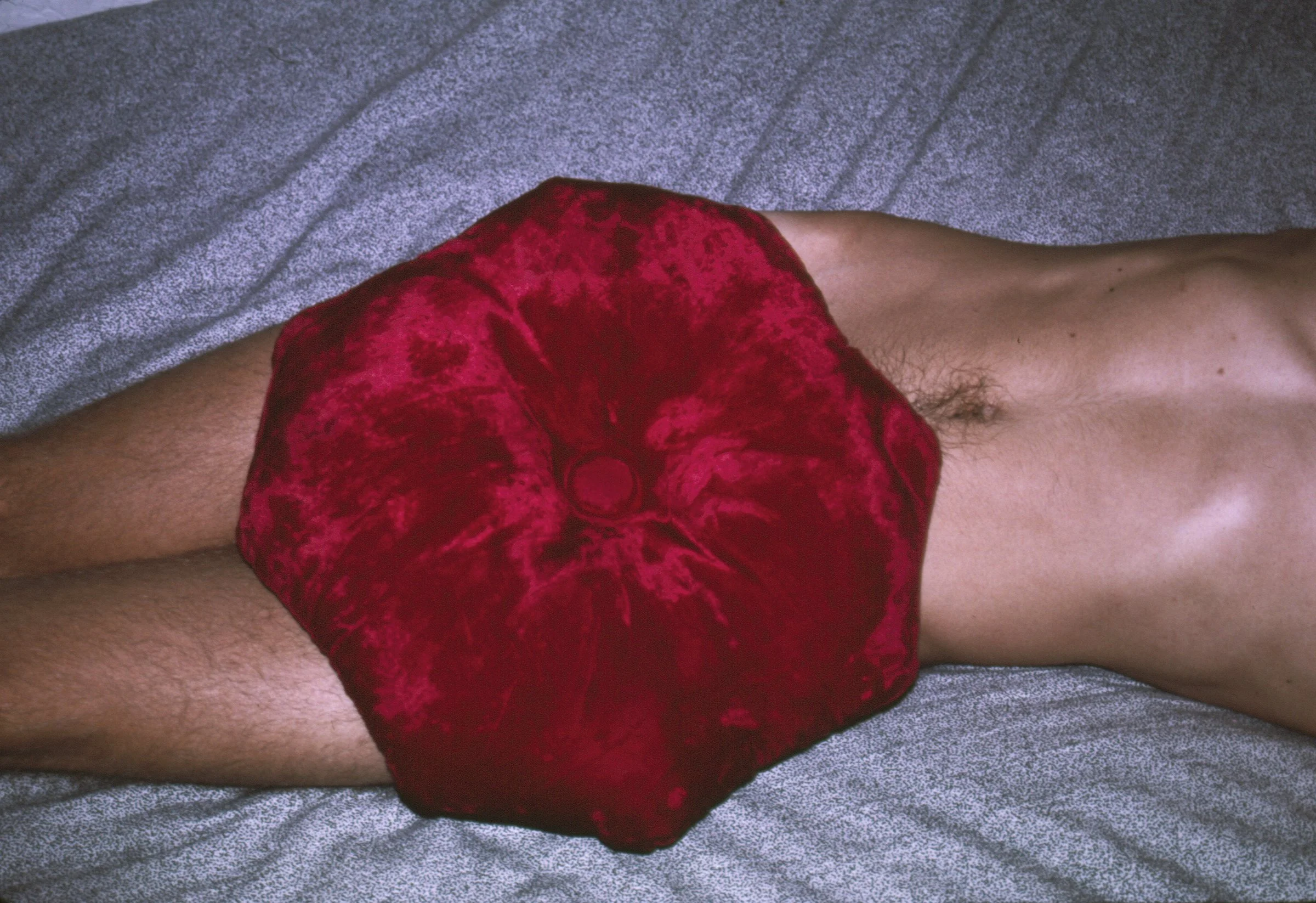
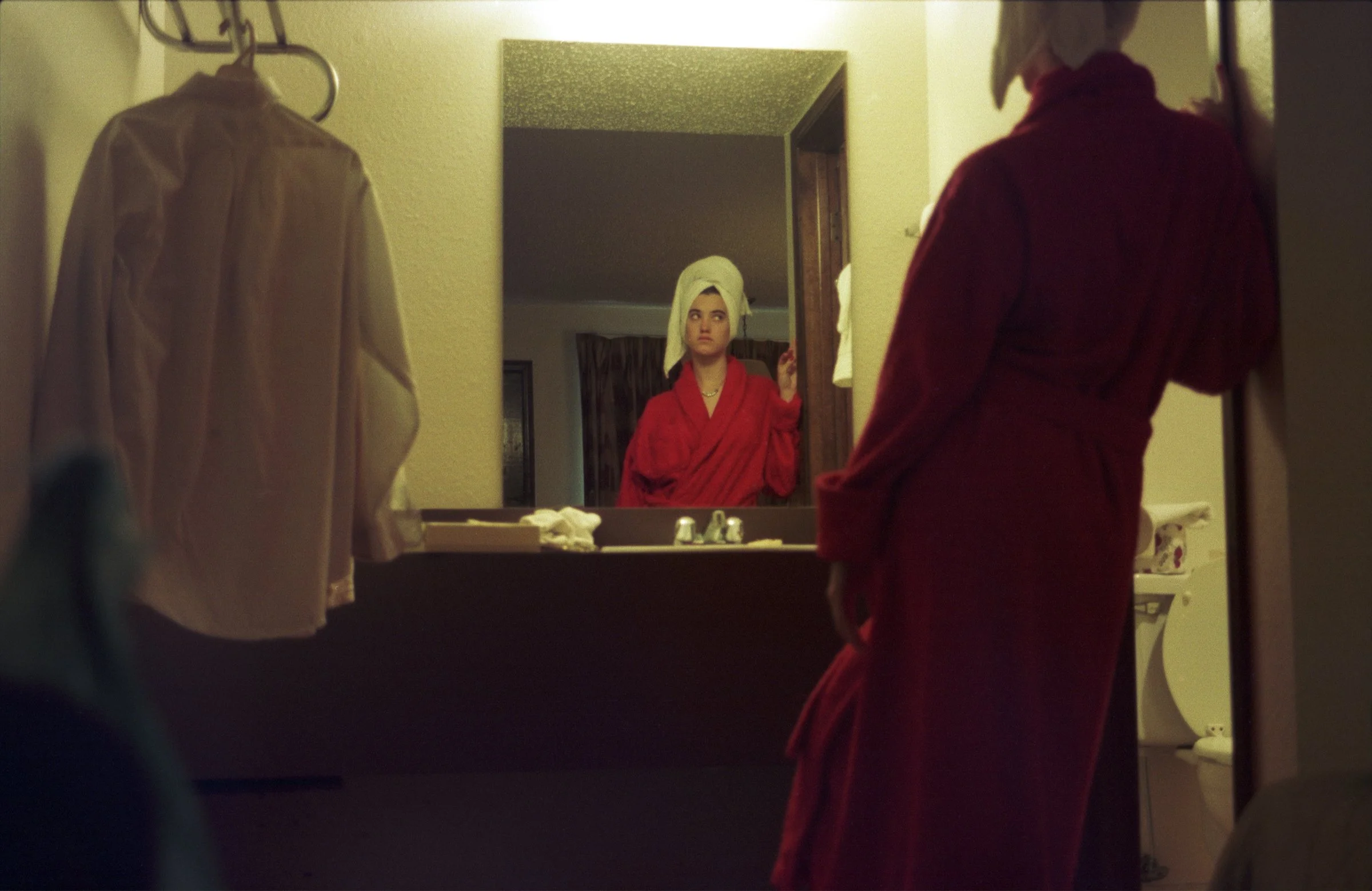
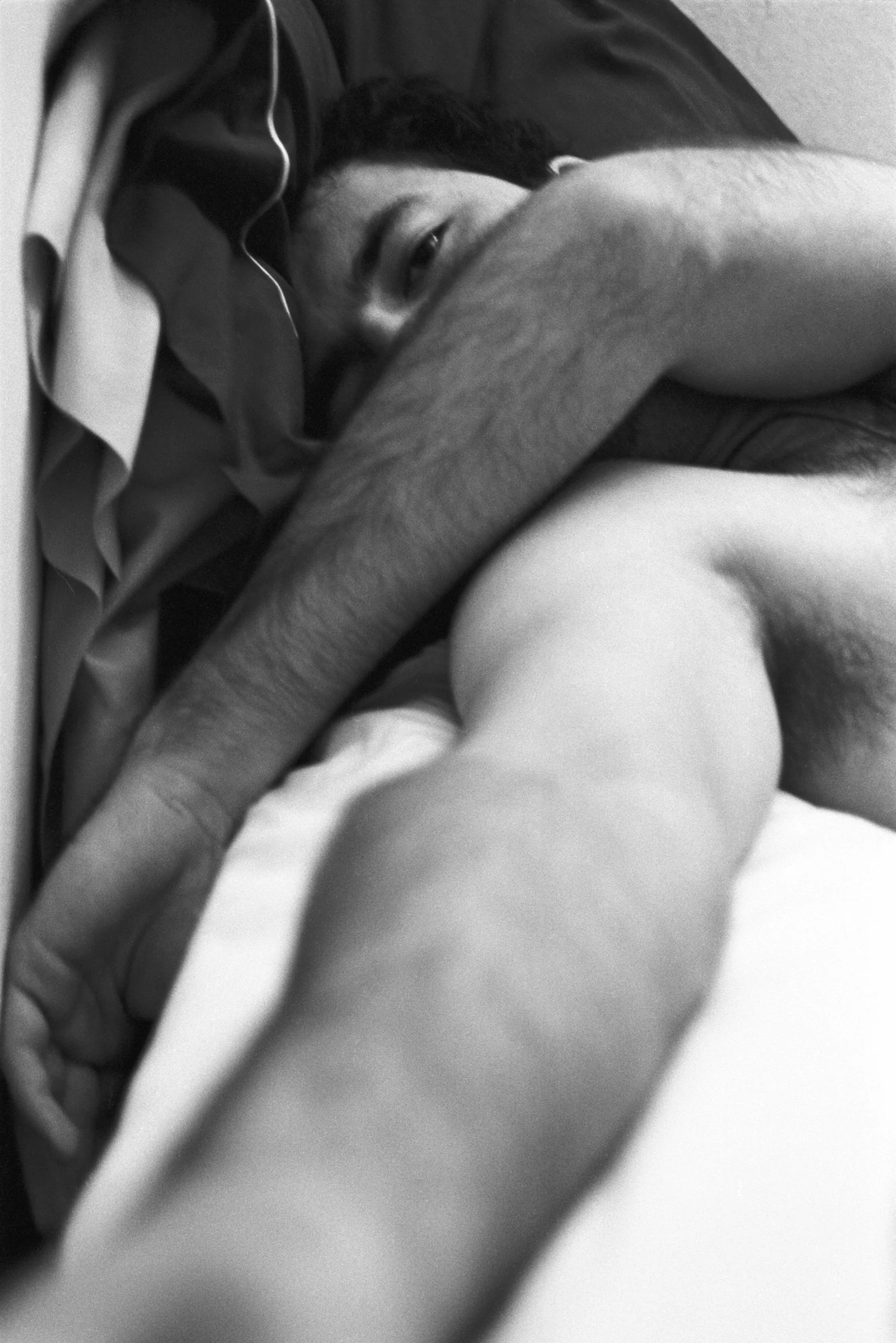
Femme in French, mujer in Spanish, frau in German—these words mean both woman and wife. Wifman—named for the English origin of the word “woman”—explores the persistent legacy of patriarchal systems that have influenced women’s identities and rights for centuries. By tracing the word’s etymology and examining the impact of coverture laws, I consider how women’s lives have historically been defined in relation to men—through marriage, naming, and legal status. Although greater legal autonomy for women in the United States arrived in the 1970s, these restrictions continue to shape our identities, choices, and relationships today.
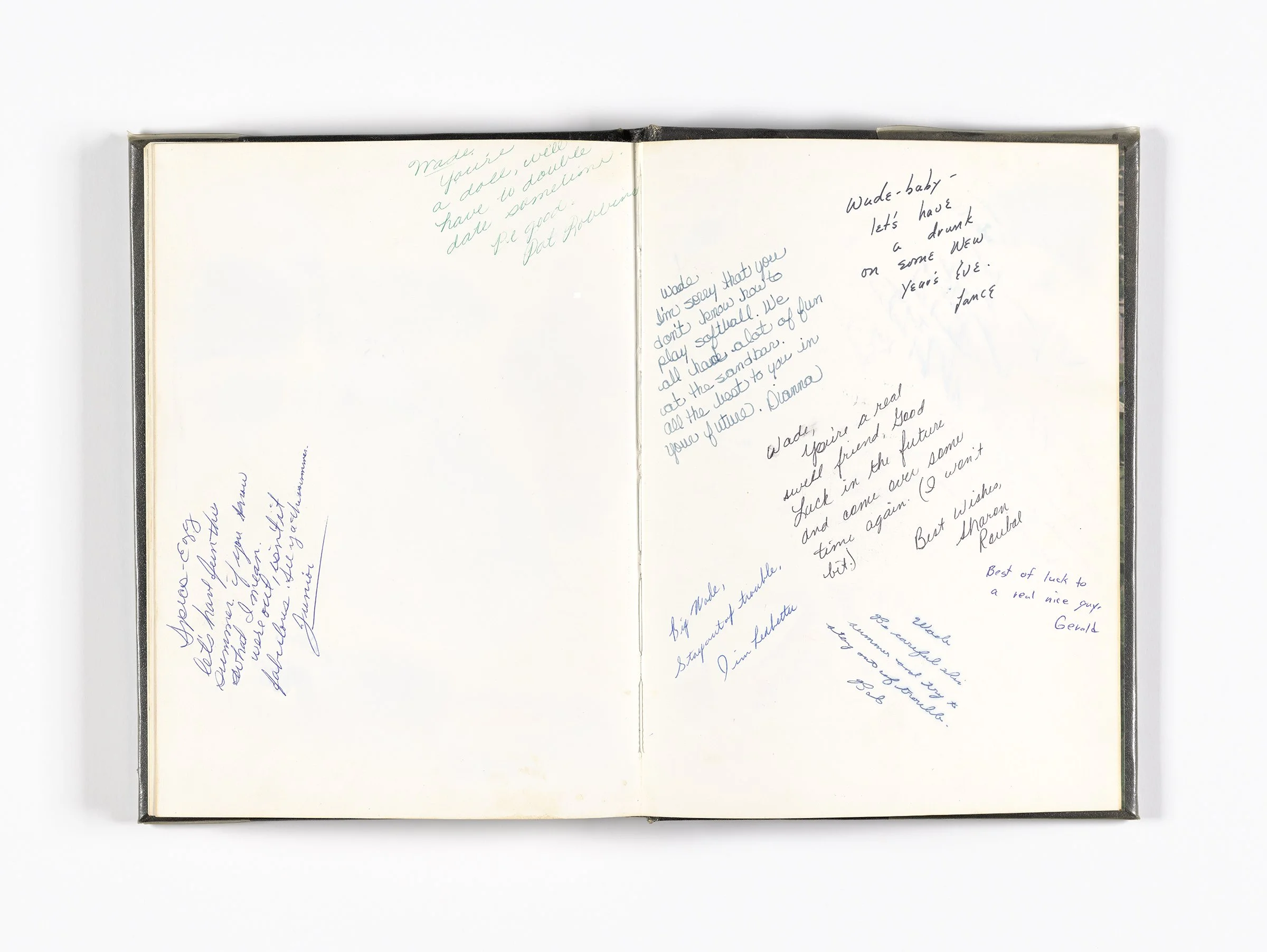
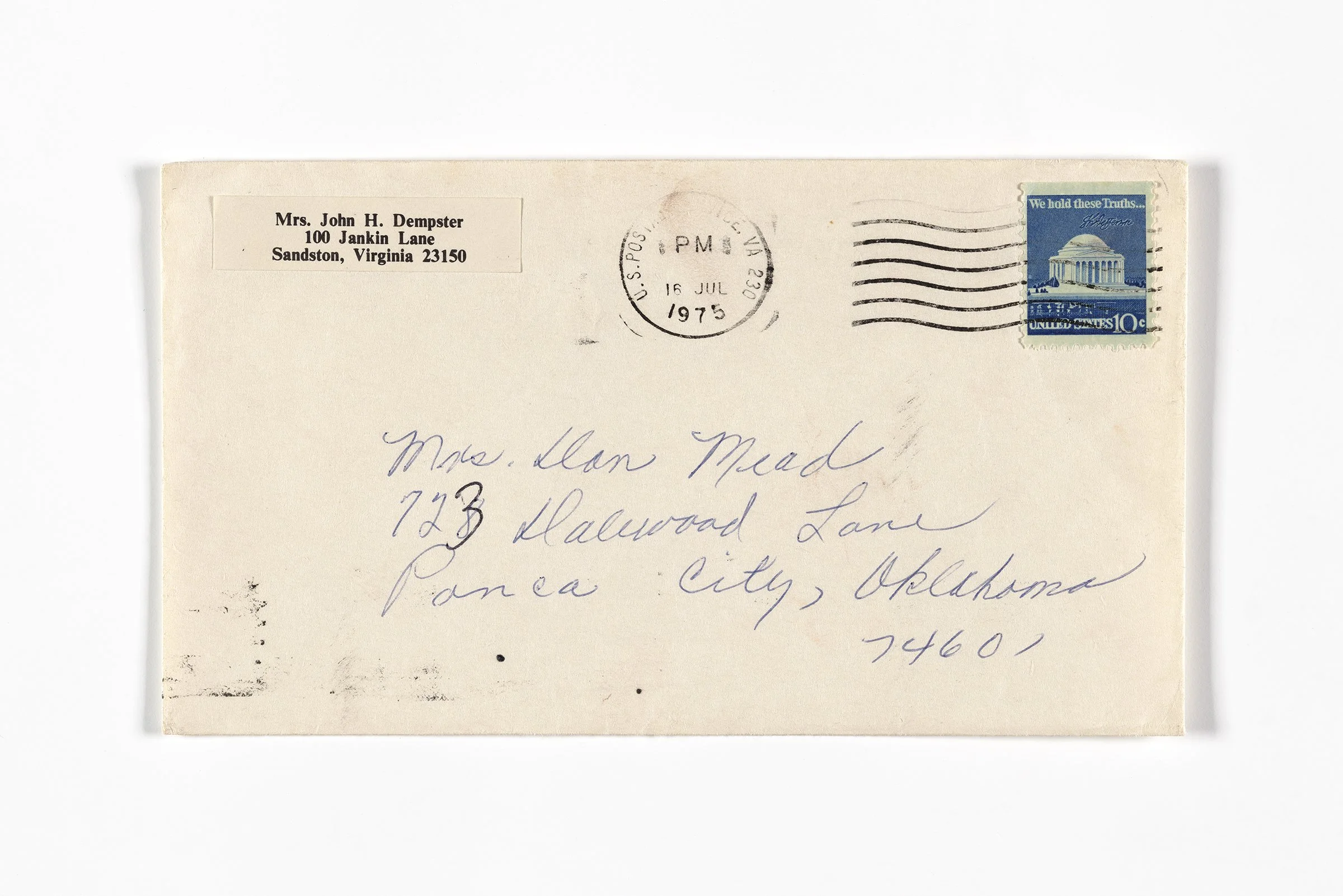
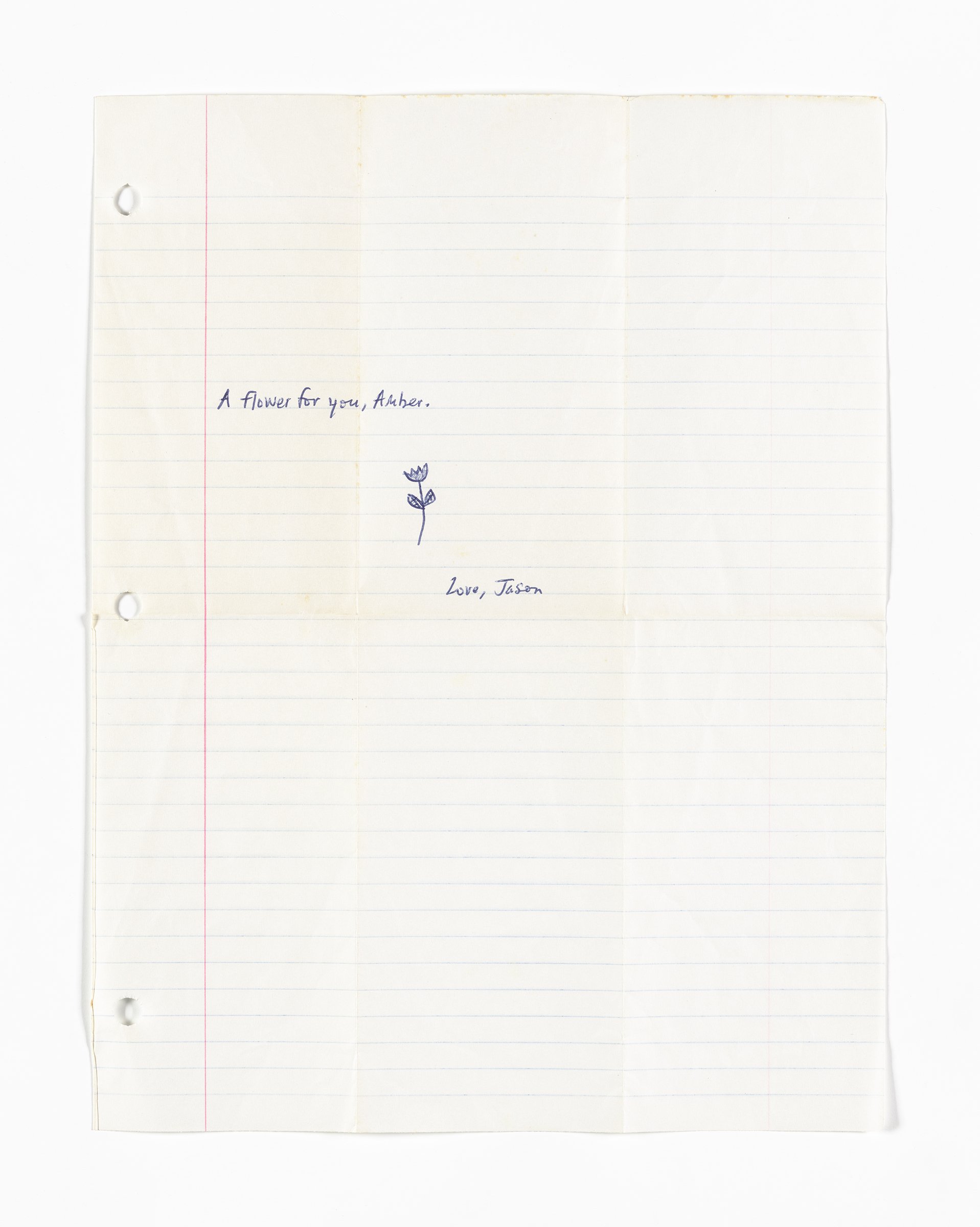
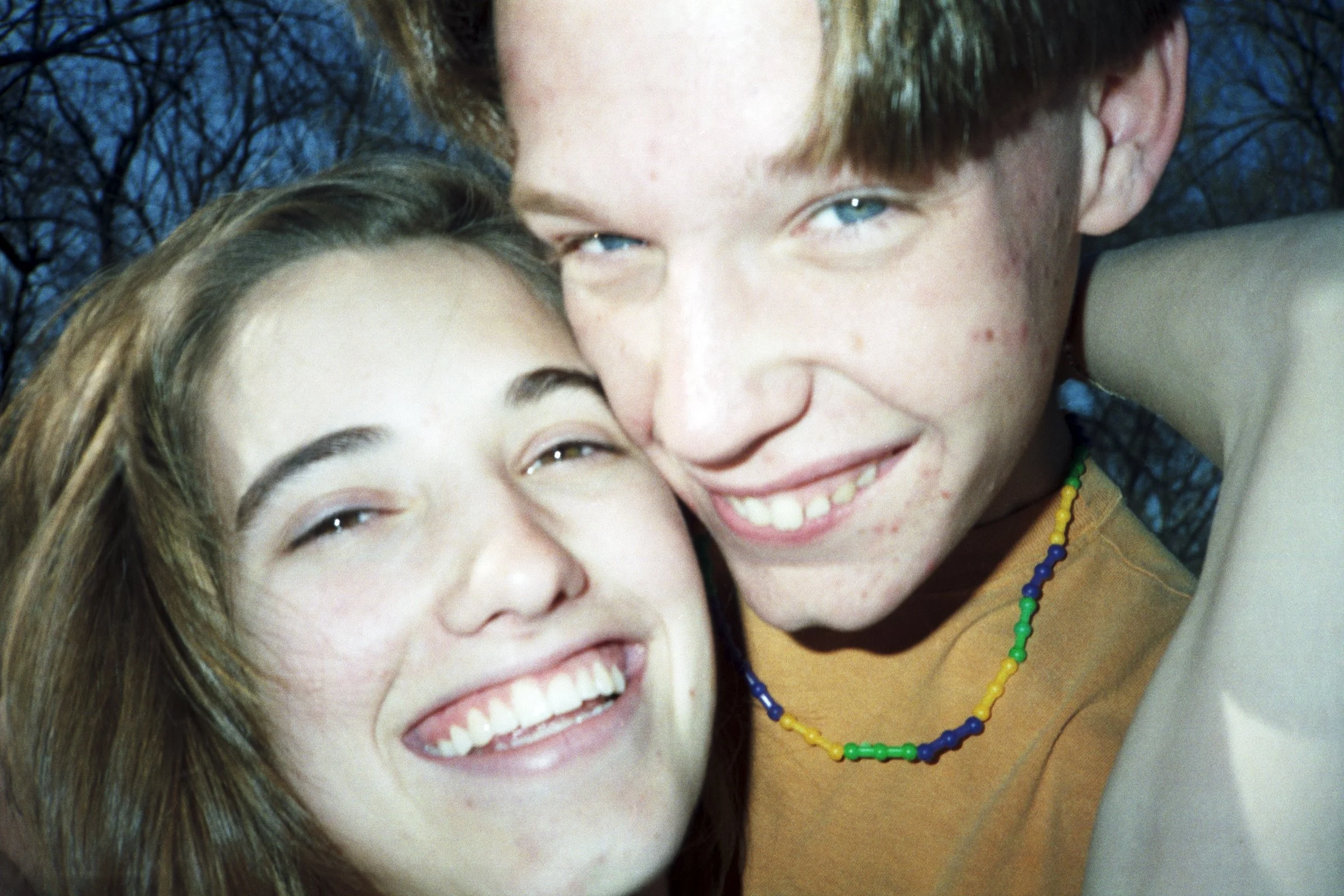
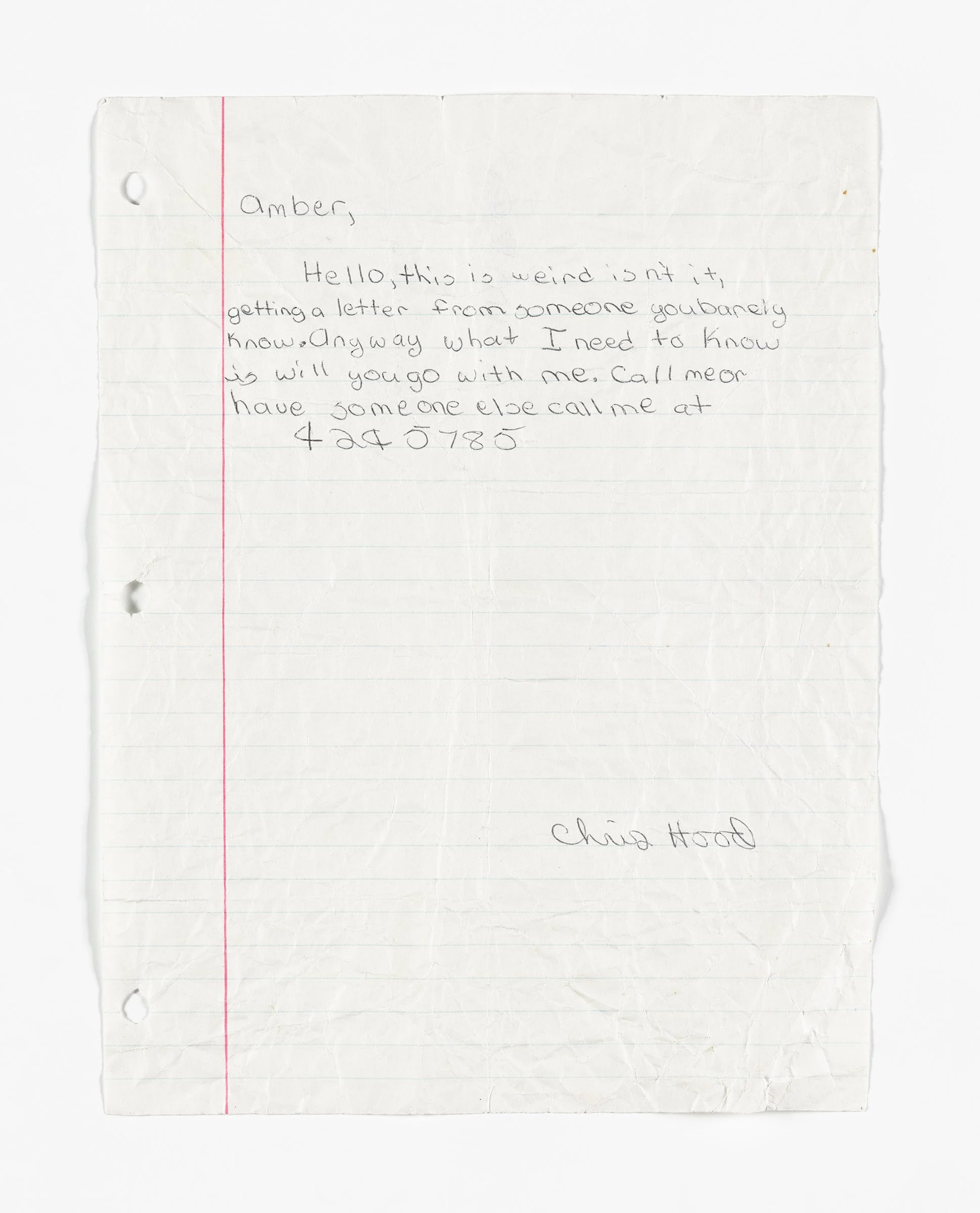
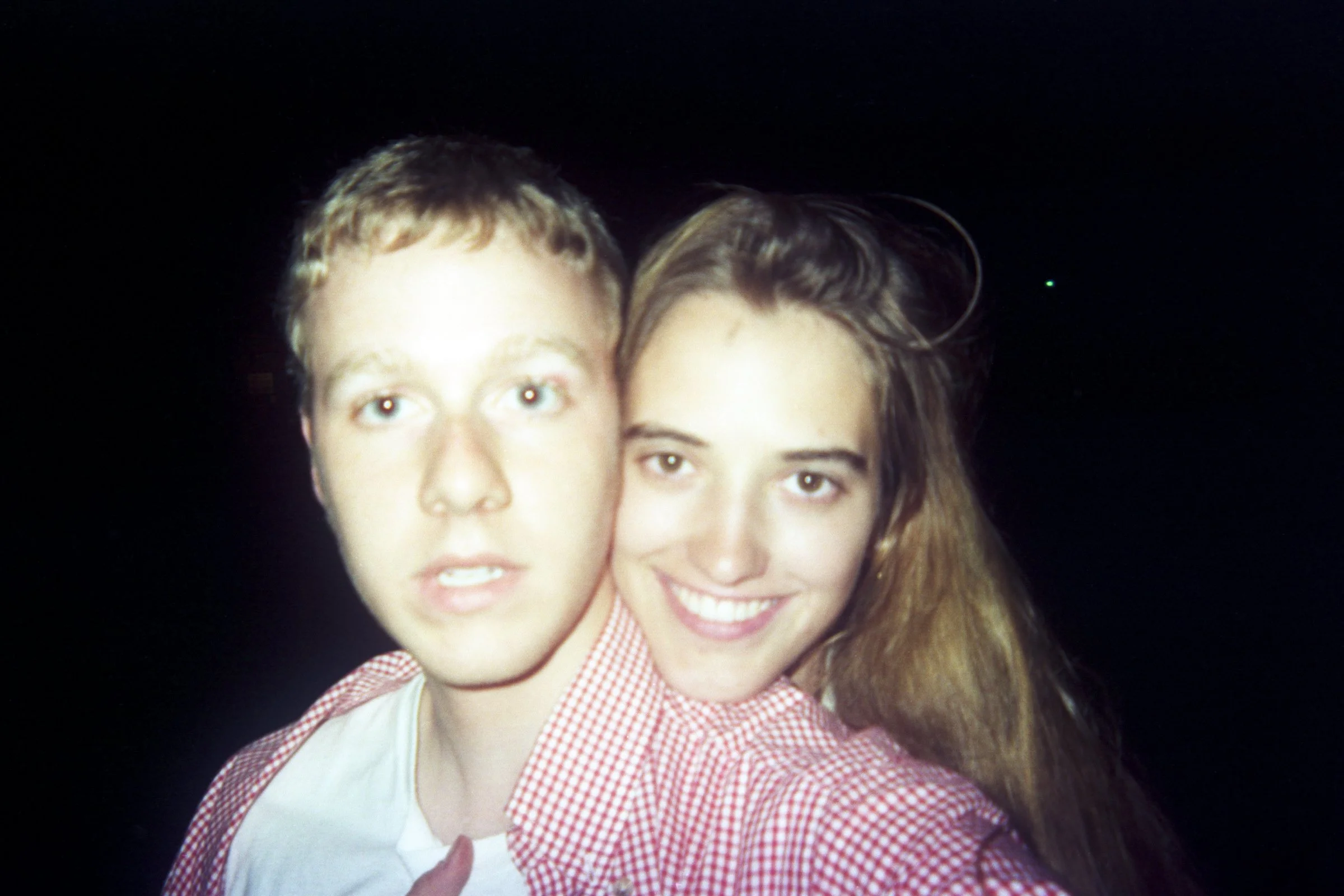
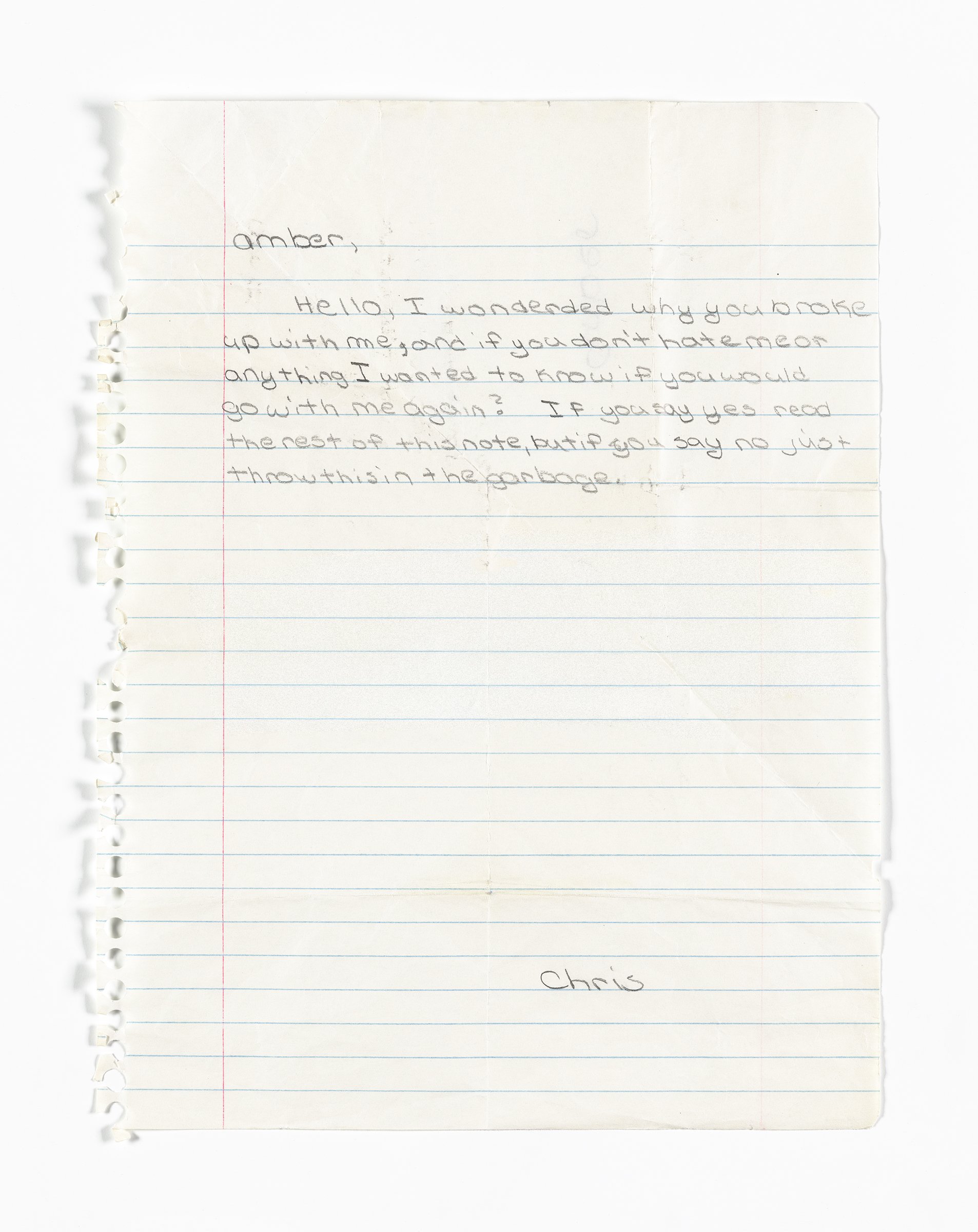
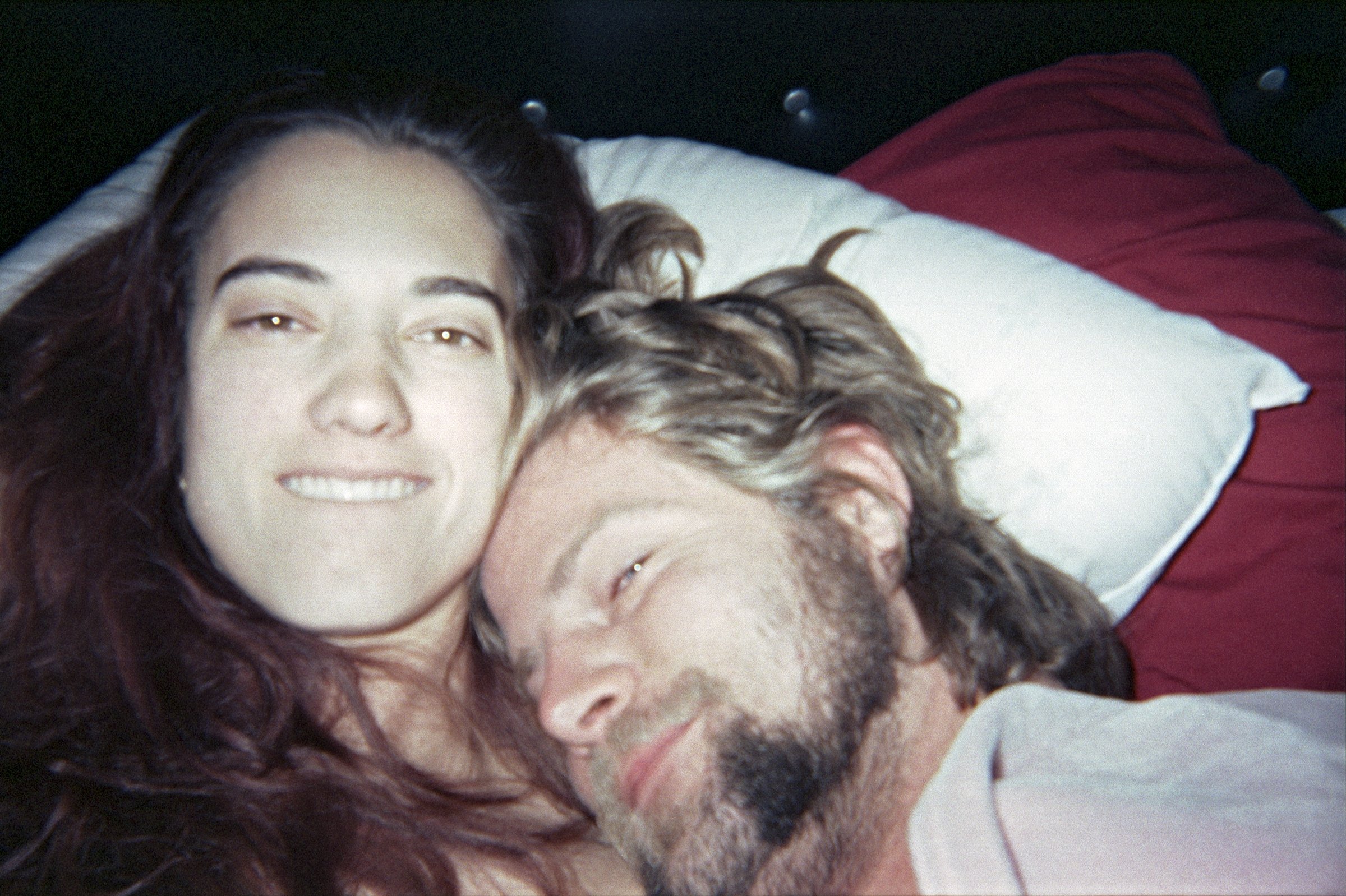
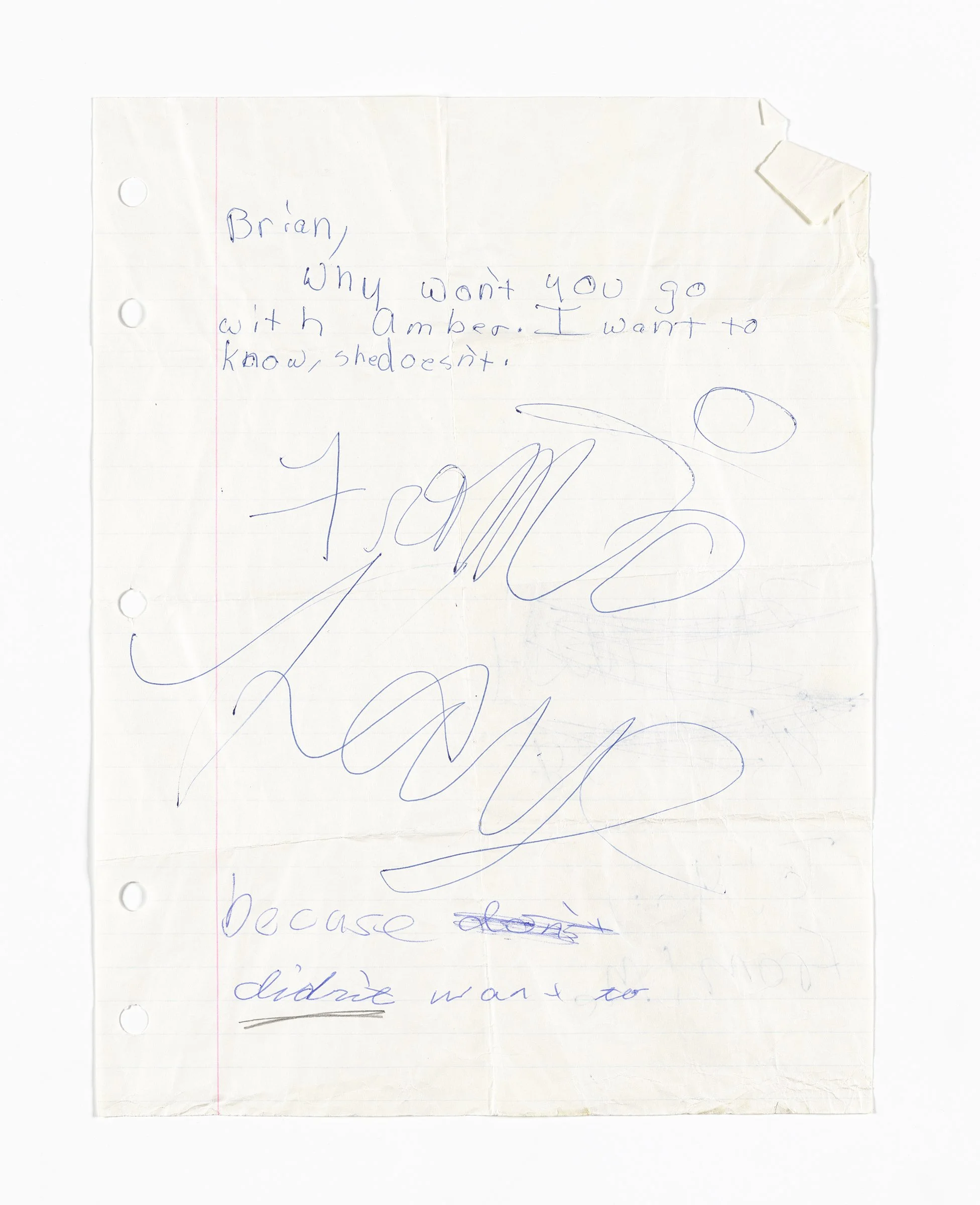
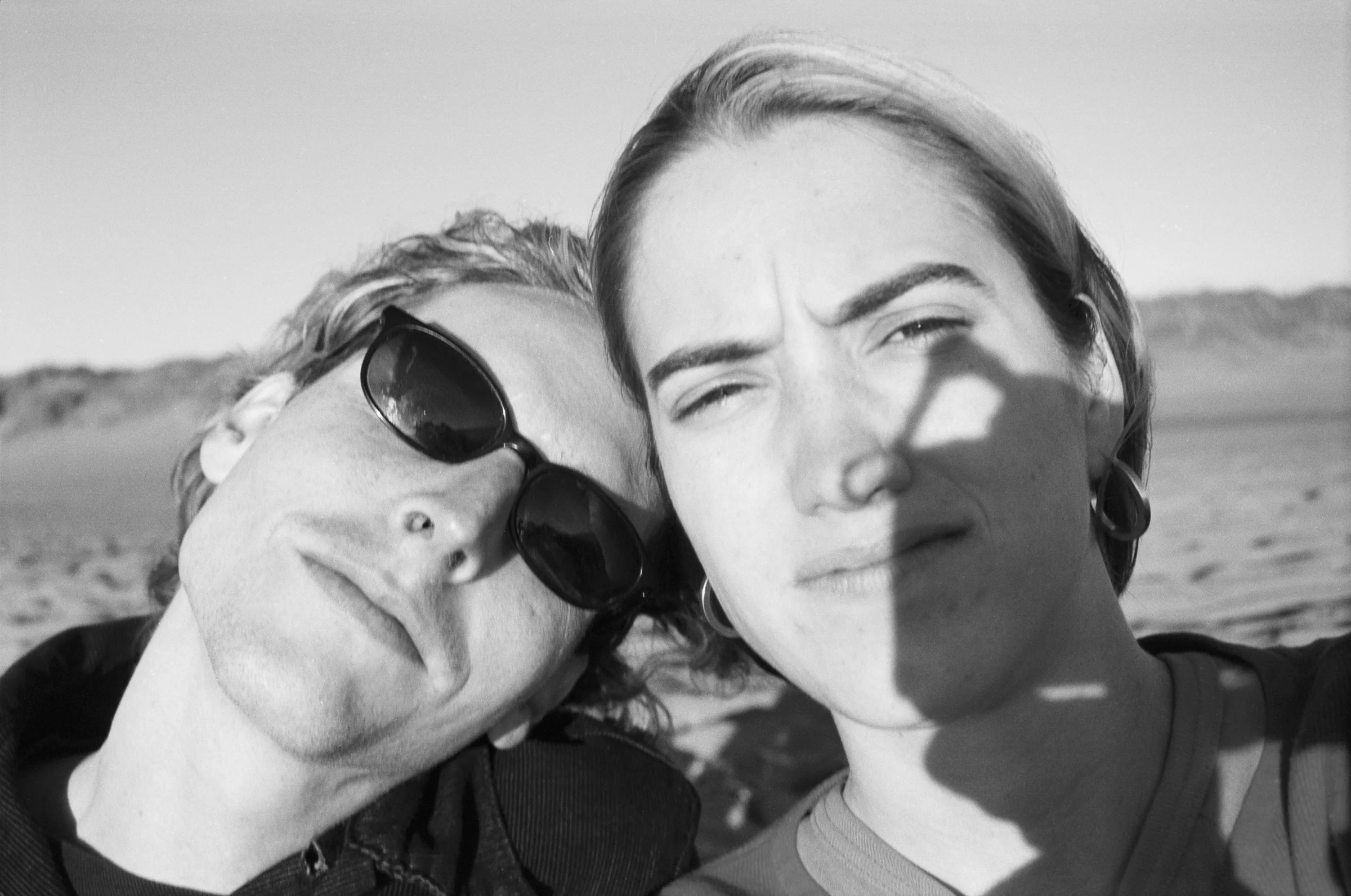
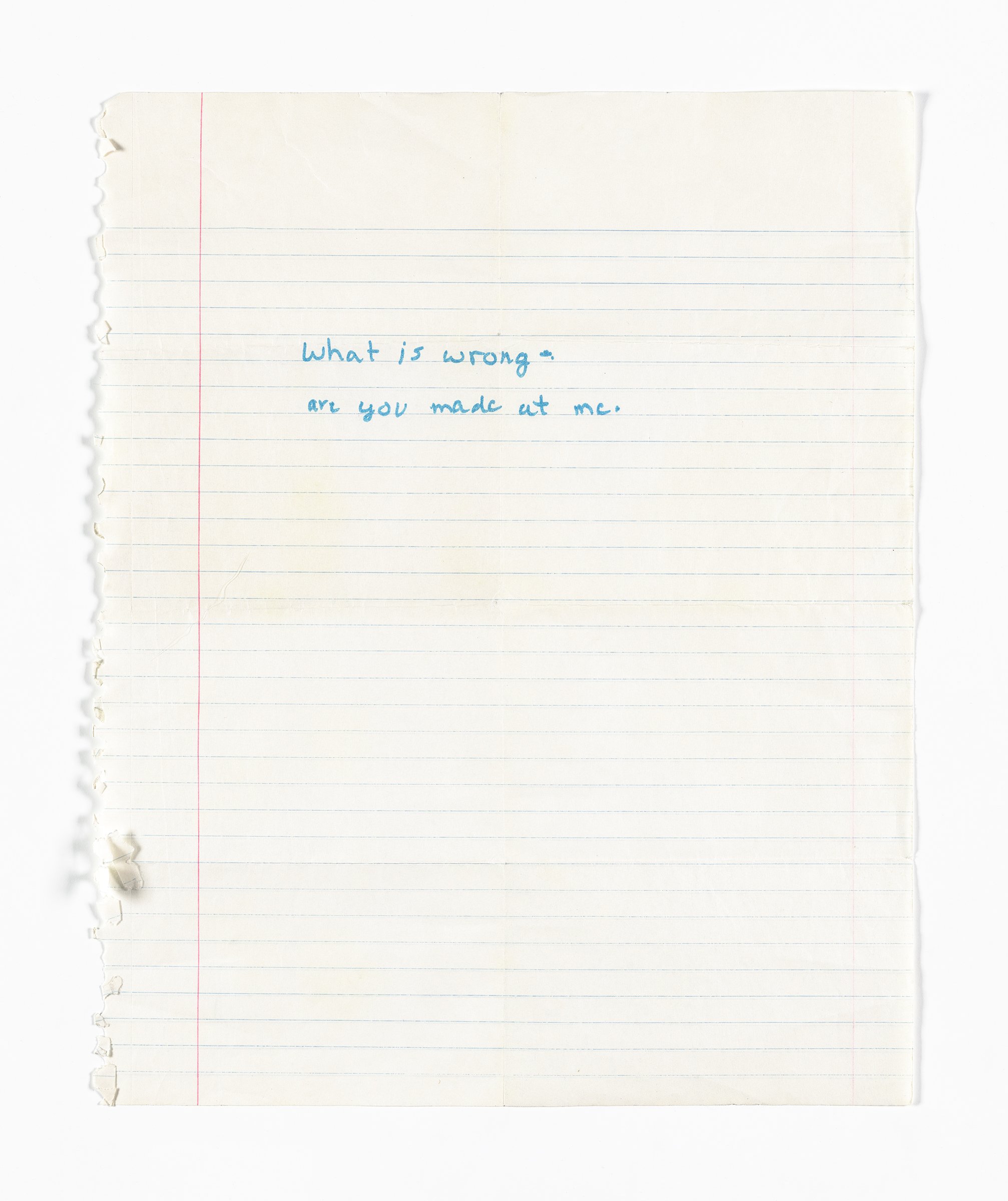
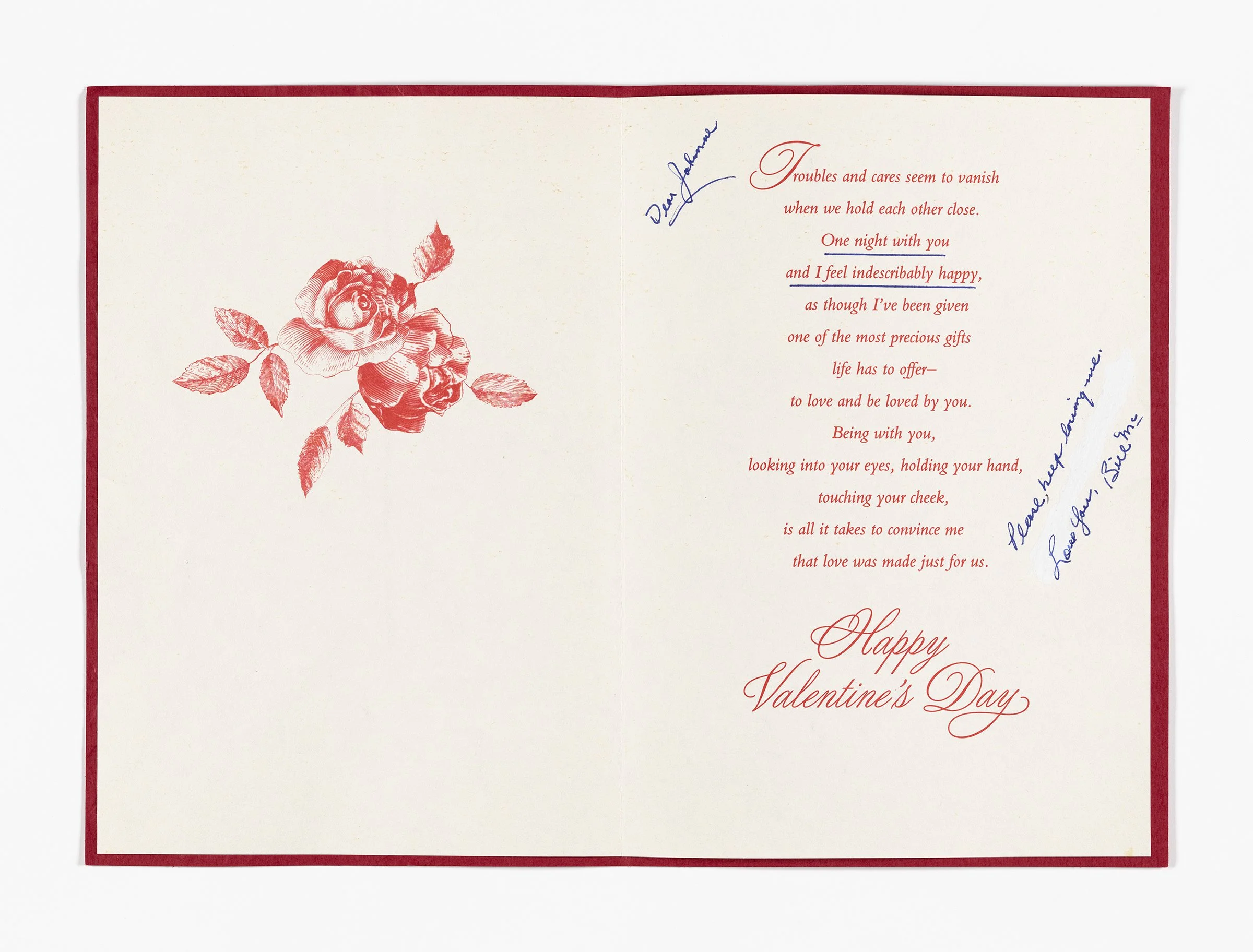
Born in 1975, I am the product of generations of women who navigated a world that restricted their rights and autonomy. My grandmother, though the primary provider for her family, was denied equal legal standing—unable to open a bank account or obtain a mortgage without her husband’s signature. Modern studies suggest that heteronormative marriages shorten women’s lifespans while extending men’s. These enduring patterns of patriarchy continue to shape family histories and personal relationships. By examining photographs and letters spanning my grandmother’s, mother’s, and my own life, I explore the inherited constraints that have influenced my identity and consider what I will pass on to my daughter.